
EOLIOS, smoke audits for smoke control and fire safety
EOLIOS is a CFD consultancy specialising in the study of the thermal and airflow phenomena linked to fire-start risks and to the design of smoke-control systems.
Equipment
- Cold-smoke machines
- Hot-smoke machines
- Chardot-type fire sources
Services
- Cold-smoke tests
- Hot-smoke tests
- Airflow audit
Measurement & advice
- Flow-rate measurement
- Equipment qualification
- Fire safety audit
We provide our technical expertise to model and simulate these phenomena in order to advise you and solve the issues encountered during your fire safety projects. We are able to propose suitable solutions to these issues, with a view to optimising safety and fire prevention.
What is a smoke test in smoke-control engineering?
What is the purpose of smoke-control engineering?
The purpose of smoke control is to extract, at the start of a fire, part of the smoke and combustion gases in order to keep usable the routes intended for the evacuation of the public. Smoke-control engineering also aims to limit the spread of the fire and to ease the intervention of the emergency services.
The IT246 standard (Technical Instruction 246) sets out the implementation rules for smoke control in public-access buildings (ERP). It describes the solutions that allow the smoke shelter or smoke control of staircases, horizontal circulations, compartments and rooms to be ensured. The specific provisions, particular to each type of establishment, are also specified there. This technical instruction is used to ensure the safety of people in the event of fire.
What is a smoke test?
Smoke tests may be requested of you by the safety commission or the control offices. They can be carried out by the owners and operators of ERP during construction or in the course of operation, in the event of a modification of the smoke-control systems in place, in order to comply with the prevention and safeguard measures ensuring the safety of people.
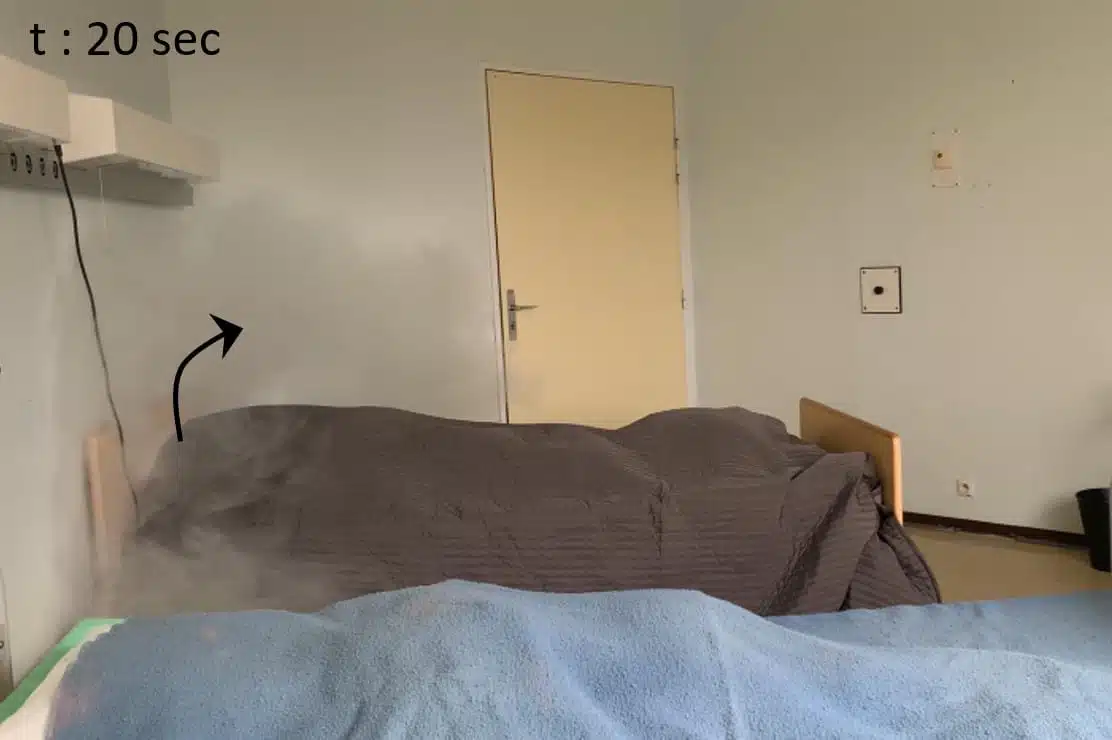
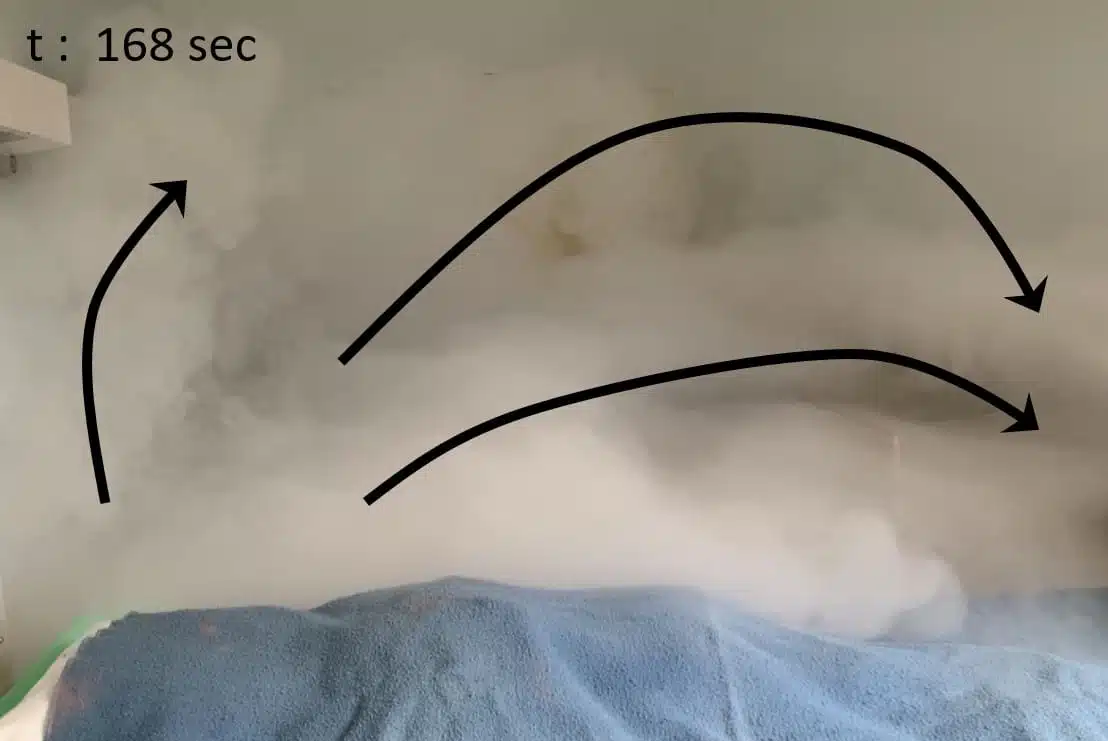
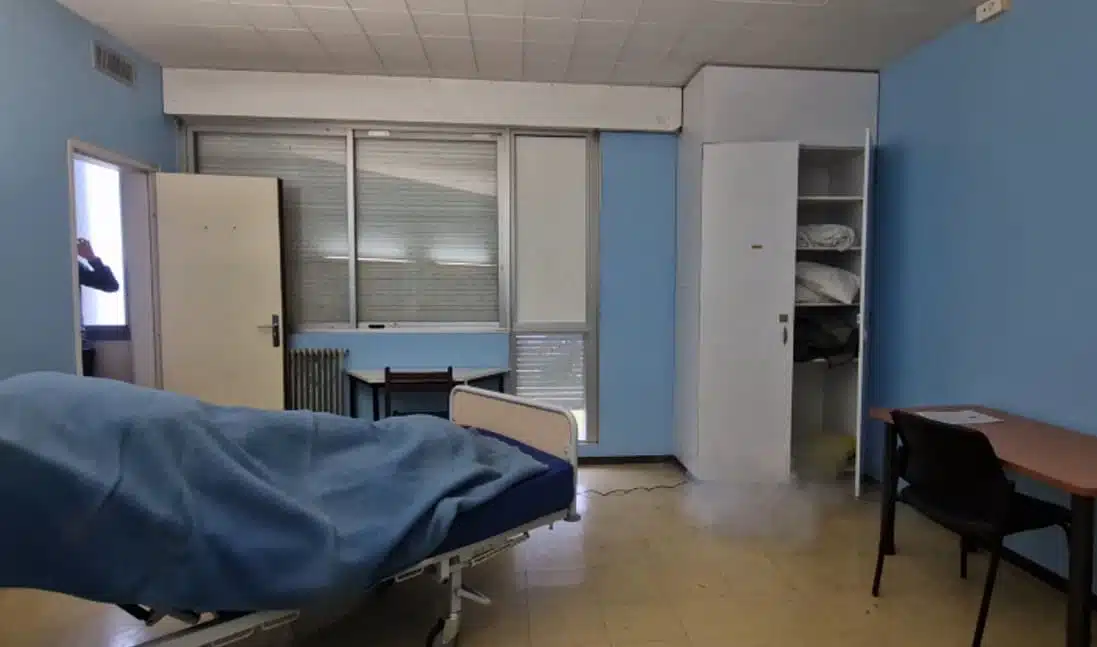
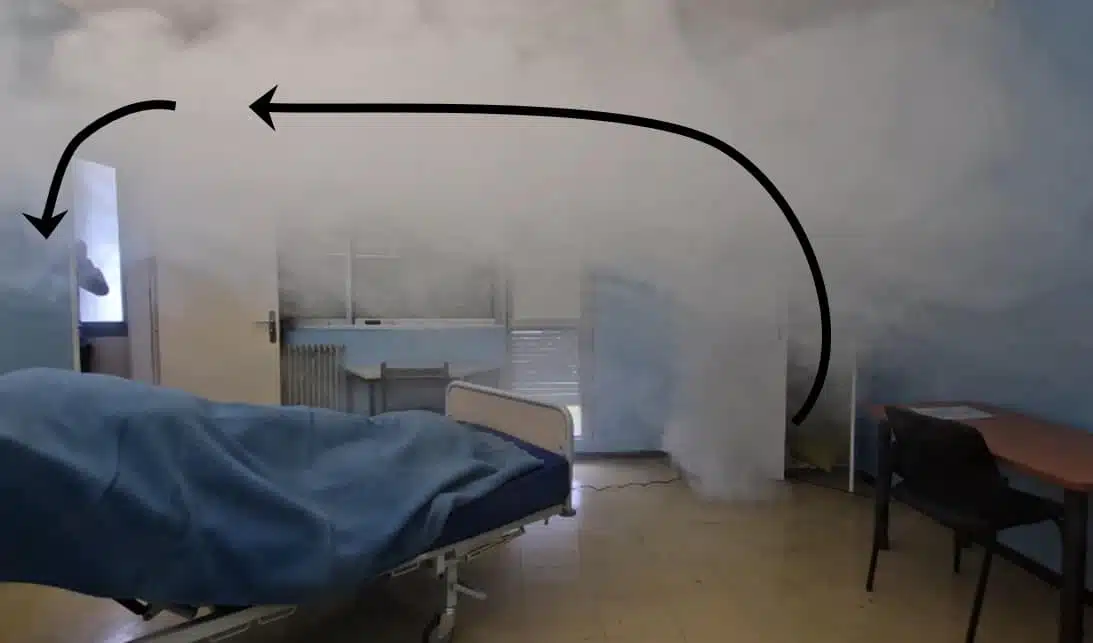
A smoke test is a test that consists of producing smoke in an enclosed space to study its movement.
How is a smoke test run?
What is the difference between a cold-smoke test and a hot-smoke test?
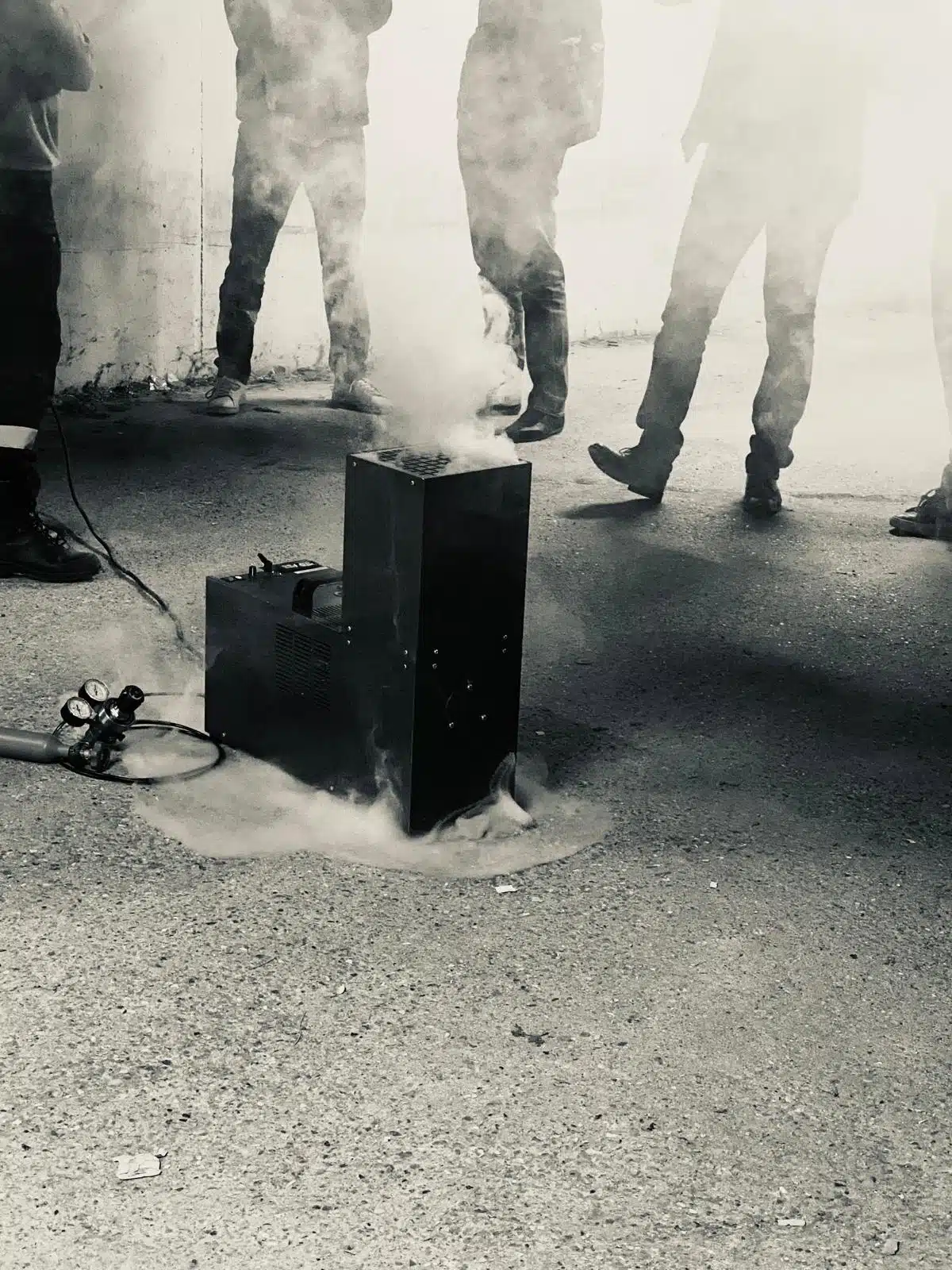
The so-called “cold” smoke test is carried out with non-toxic smoke, at ambient temperature or slightly cooler. It is produced by a generator that vaporises a water-and-glycol solution (or another non-toxic substance) to produce visible smoke. These tests are generally carried out when operating constraints require it or when the integrity of the premises must be preserved. They mainly allow the sweeping flow to be studied, the smoke temperature being broadly similar to that of the air. Their limitation: the smoke agent does not reproduce the behaviour of fire smoke, which is strongly subject to temperature effects.
The so-called “hot” smoke test uses smoke generated by a fuel burner, at a much higher temperature. These tests can be carried out during the works phase or when the constraints of preserving the structures are weaker (tunnel, car park…). The behaviour of the smoke agents then comes close to that of the smoke from a real fire, reproducing the stratification phenomena over several tens of metres around the fire source. For this type of test, combustion processes are generally used: the best known are the “Chardot mixture” and hydrocarbon trays.
What are the different steps of a smoke audit?
The choice of smoke type is made according to the circumstances and the requirements of the assignment. For hot-smoke tests, a standard fire source can be proposed in order to obtain a heat output similar to a fire start consistent with the fuels available in the room. During the test, a generator is used to produce smoke inside the structure or the spaces to be tested.
Why carry out a smoke test for smoke control?
Smoke tests make it possible to check that the smoke-control systems and the various natural-ventilation openings are compliant. We analyse the smoke pockets in trapped areas and put forward structural and technical suggestions to keep the escape routes free of smoke. Using videos, we illustrate the spread of the smoke. The tests make it possible to validate — or agree on — the necessary measures, in consultation with everyone involved in the design.
This type of audit allows us to organise the discussions with the control offices so as to justify the design against an interpretation of the standard.
Expertise: smoke-extraction engineering