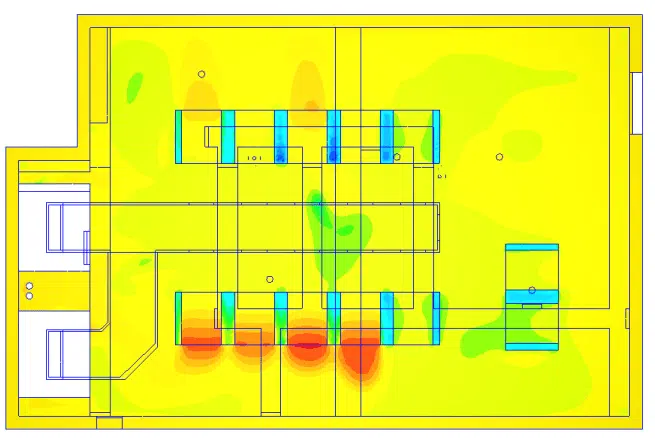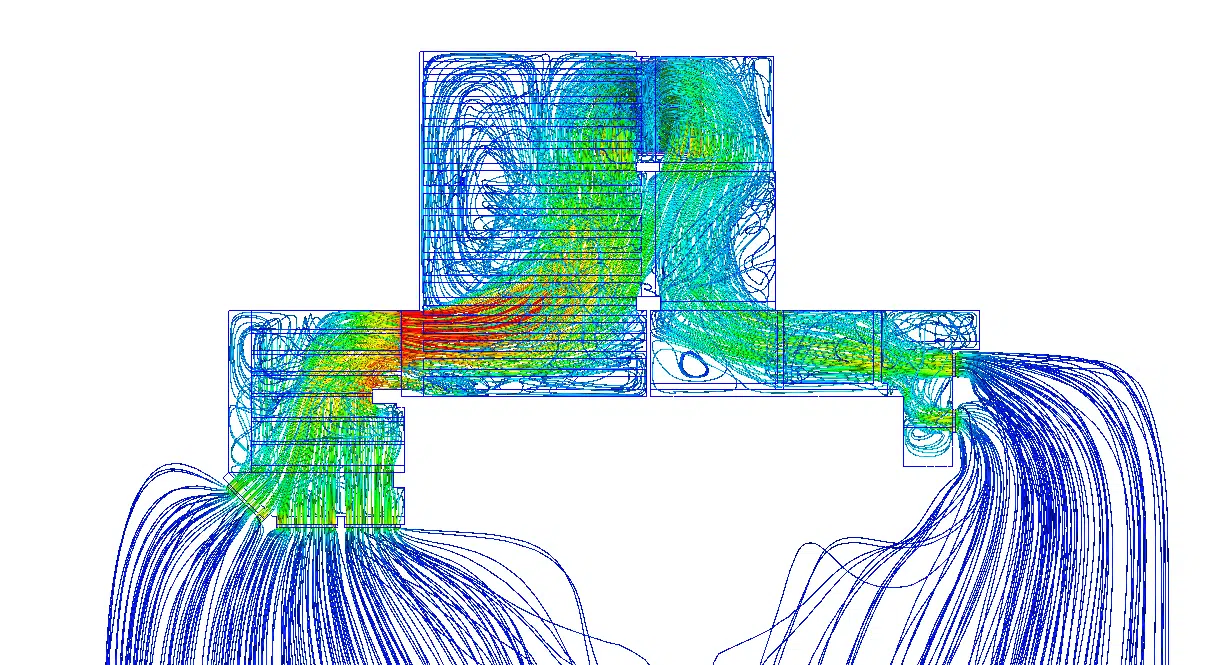
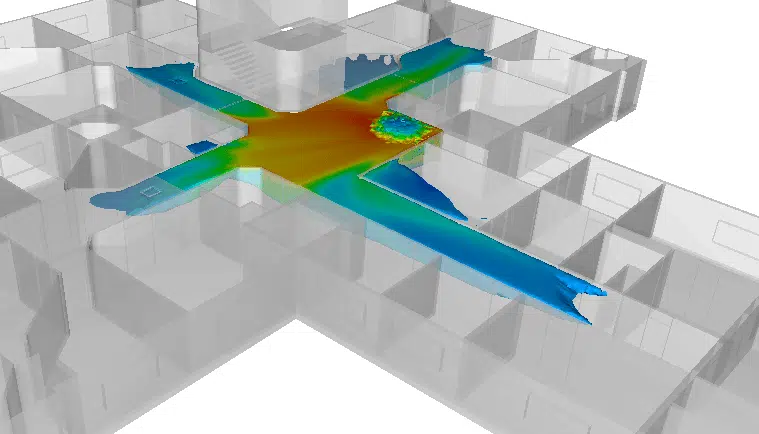
Smoke-control study of a palliative-care unit: predicting the impact of different door controls on smoke propagation, for patients who cannot be moved.
Smoke-control engineering is closely tied to safety objectives: maintaining conditions compatible with user evacuation for long enough, then conditions that ease firefighter intervention. The lethal nature of smoke and the presence of the public impose very strict standards.
The EOLIOS team brought its expertise to improve the fire design of Pontoise hospital. In this palliative-care unit, patients cannot move to escape the smoke.
The objective: to predict the impact of different door controls on the propagation of smoke and temperature, following several fire starts.
The essentials. For Pontoise hospital, EOLIOS carried out a CFD smoke-control study of a palliative-care unit where patients cannot be evacuated. A digital twin of an entire floor (about 10 million cells) was used to simulate three fire starts and compare door-control scenarios. Result: fire doors compartmentalise smoke markedly better and keep spaces at ambient temperature.
Smoke-control studies in hospitals ensure the safety of patients and staff. They determine the best methods and solutions to ensure a fast, safe evacuation of the smoke and gases produced by a fire, identify potential risks and hazard sources, and develop preventive safety solutions.
They are also essential to ensure the smoke-control systems are functional and can be deployed quickly and effectively in an emergency.
Smoke-control engineering aims to keep, in the event of a fire, tenable conditions for evacuation and then for the emergency services: controlled visibility, temperature and toxic-gas levels. In healthcare facilities, where some occupants cannot be moved, it relies on compartmentation and door controls rather than evacuation alone.
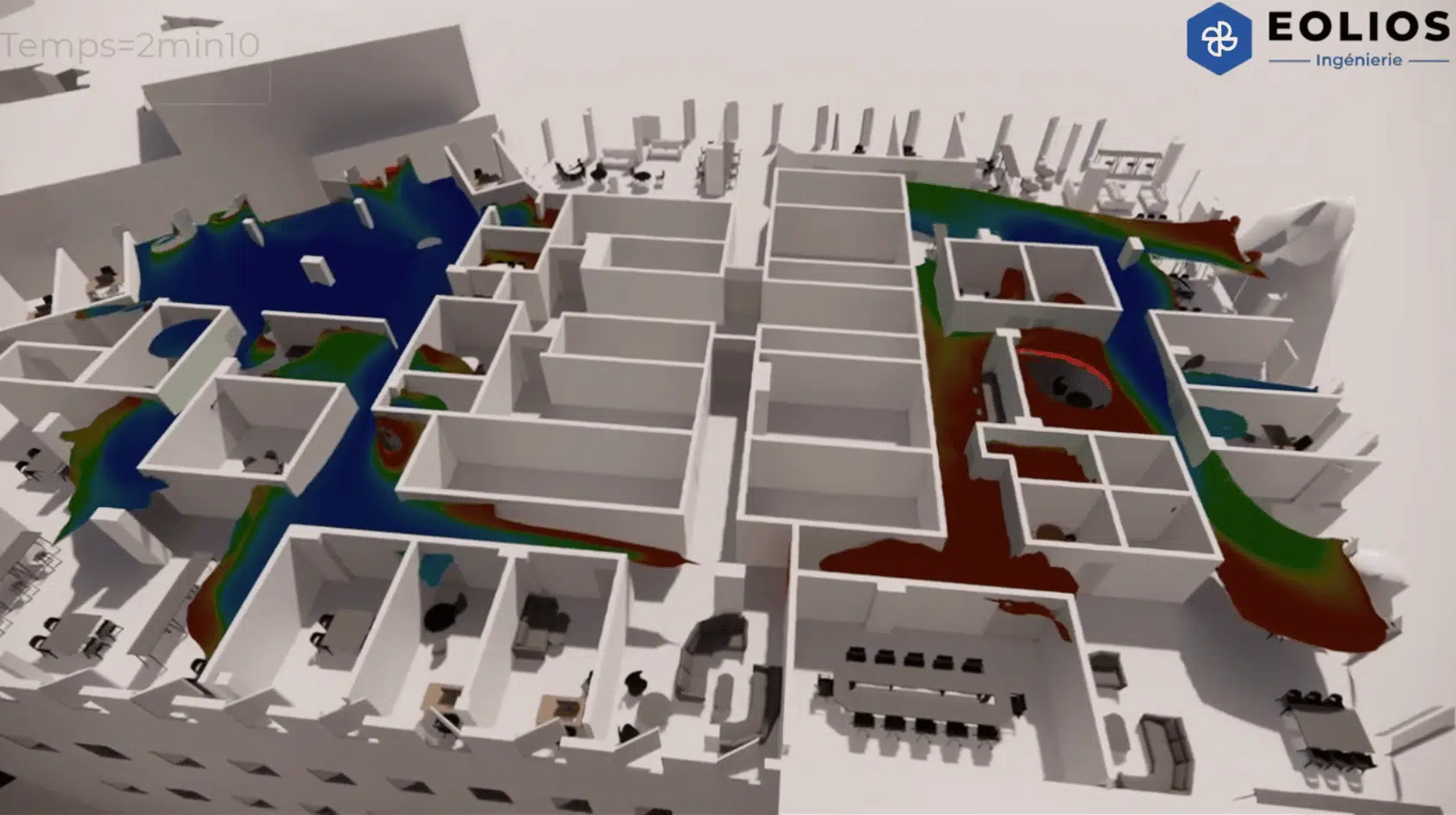
For this study, the entire floor of Pontoise hospital was reproduced in 3D software. All the ventilation and HVAC systems needed for smoke control are accounted for in the model. Depending on the scenarios studied, the room doors are left open or not, and the fire doors activated or not.
The more precise the digital twin, the closer the results are to reality. The mesh used contains about 10 million cells and is refined in the high-gradient areas.
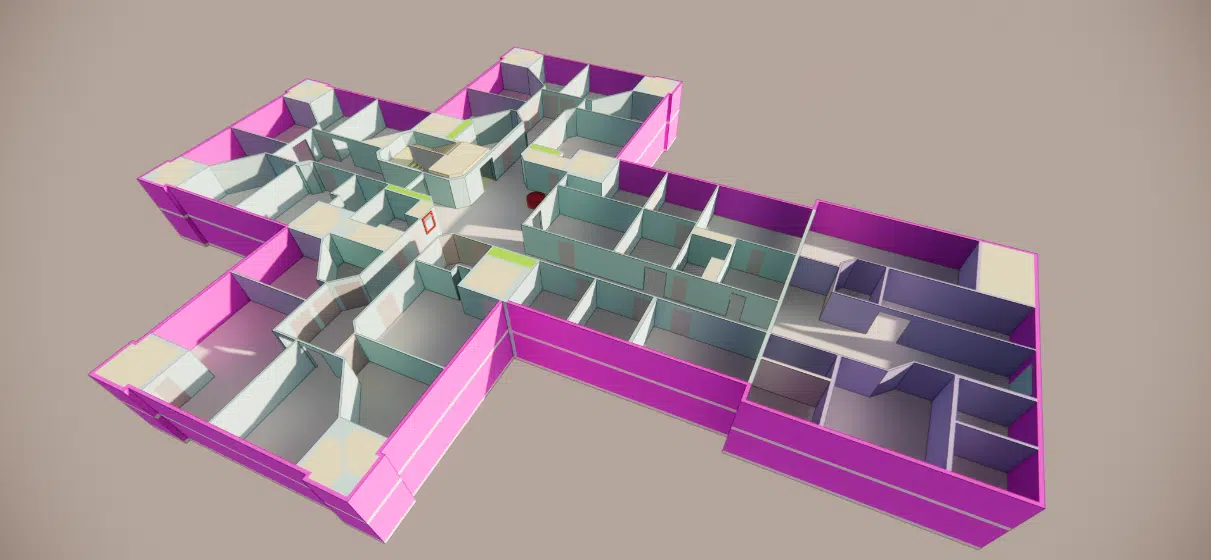
A digital twin is a faithful 3D replica of the building and its systems (ventilation, HVAC, doors) on which the simulation is run. The more precise it is, the closer the results are to reality; here the mesh contains about 10 million cells, refined in the high-gradient areas.
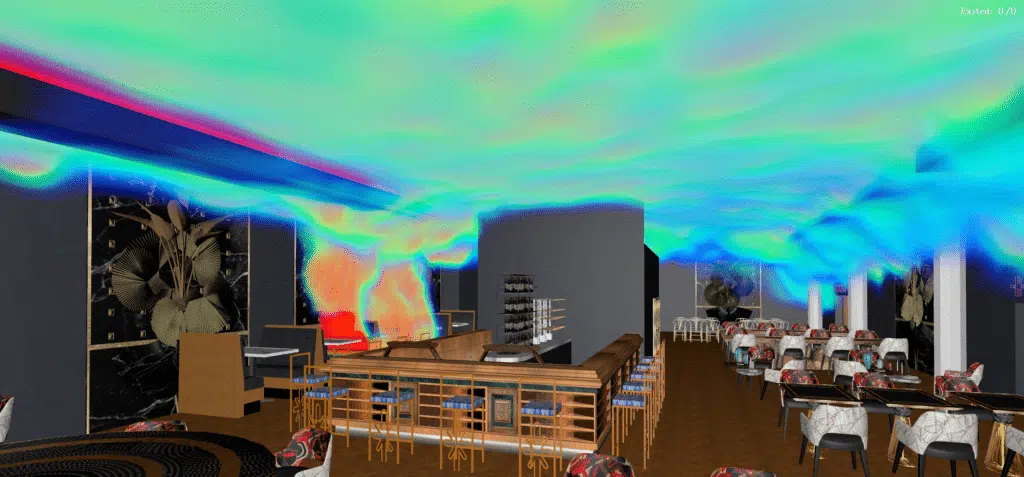
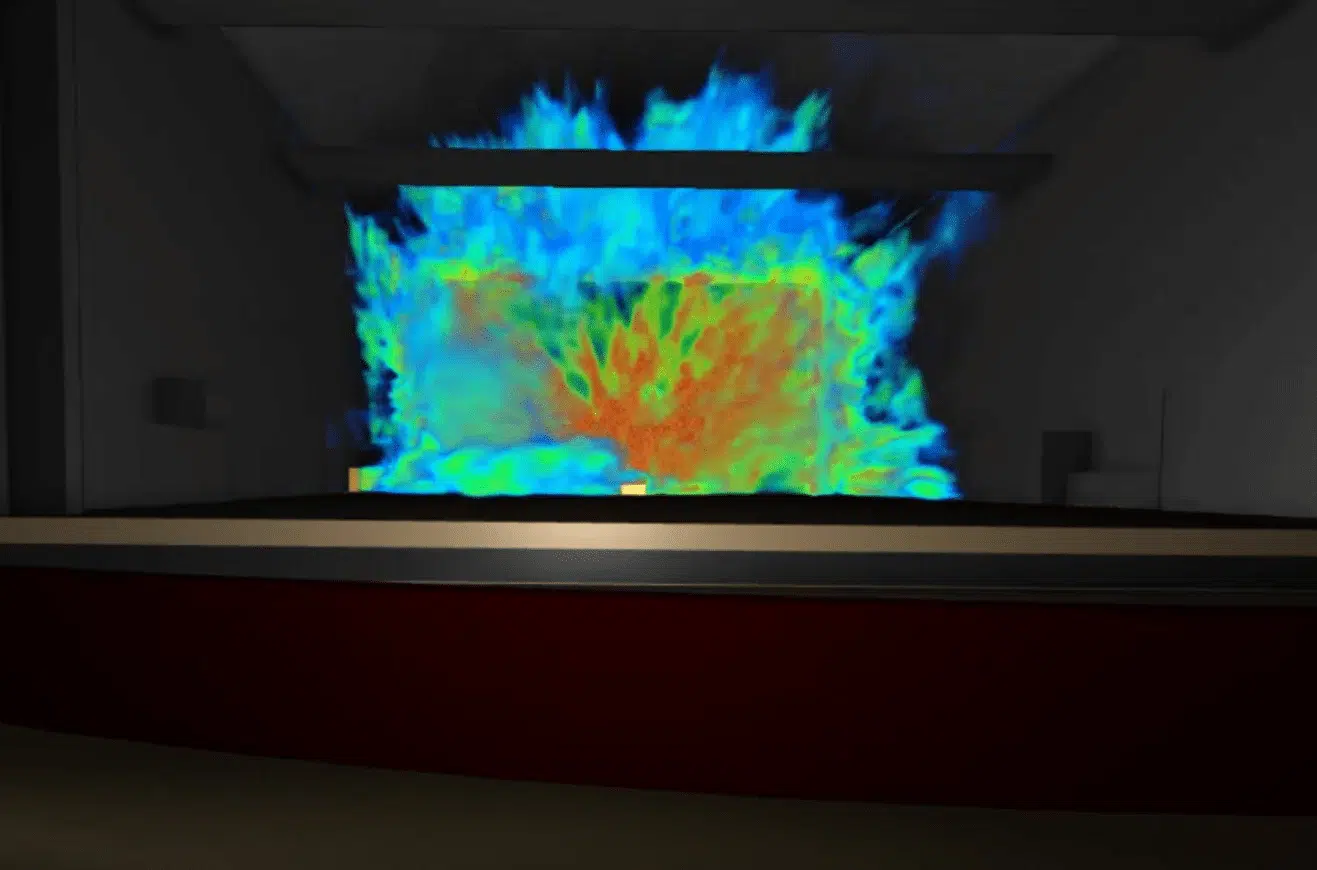
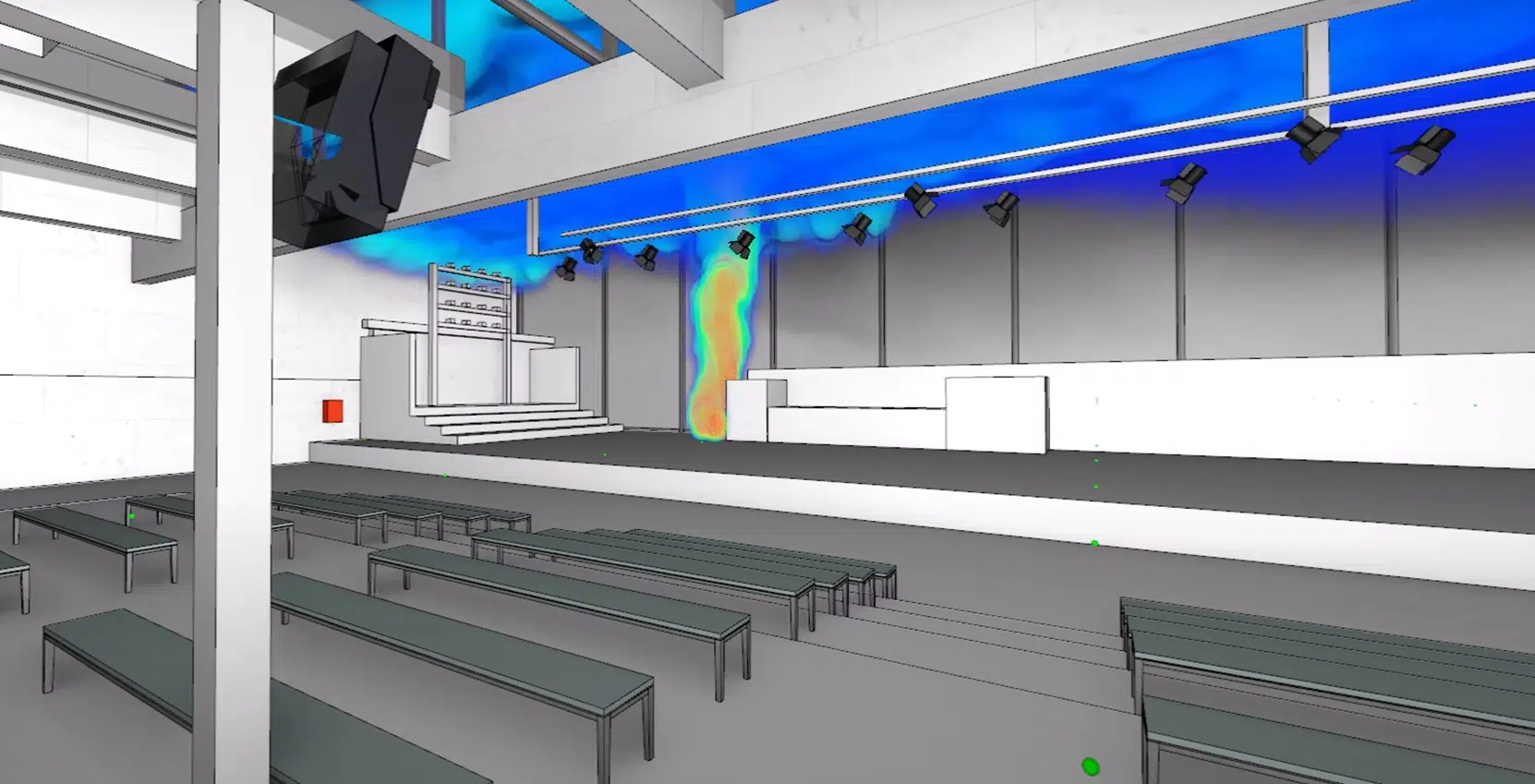
The software does not simulate the ignition of materials or their combustion: this is an input parameter of the models. Several fires, representing several risk areas, were modelled: a mattress fire that could be located in a room, a regulatory public-building fire reproducing a start in a storage room, and an electrical-cabinet fire located in a corridor.
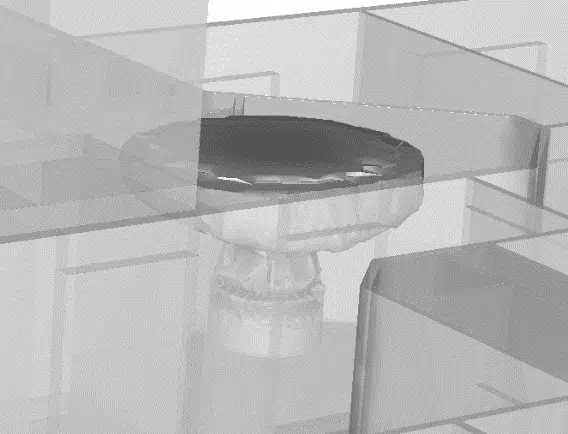
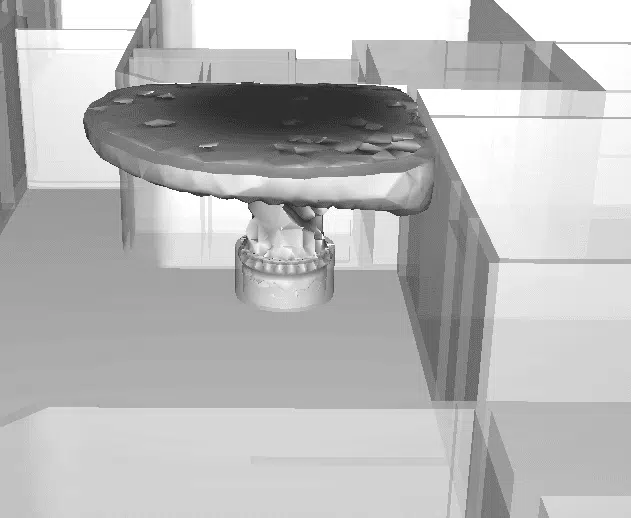
First, fire detection is relatively fast, on the order of 20 seconds, in line with expectations. For the smoke-control study, the impact of the fire doors is clearly visible: the simulations show 3 distinct evolutions of the smoke distribution (the first moments remain similar in all 3 cases).
Comparing the proposed building with the existing one highlights the value of fire doors: the smoke is far better controlled and compartmentalised, and the installation keeps certain spaces free of smoke. The correlation between smoke and temperature distribution is significant, with the fire doors keeping more spaces at ambient temperature. EOLIOS therefore strongly recommends installing fire-door systems.
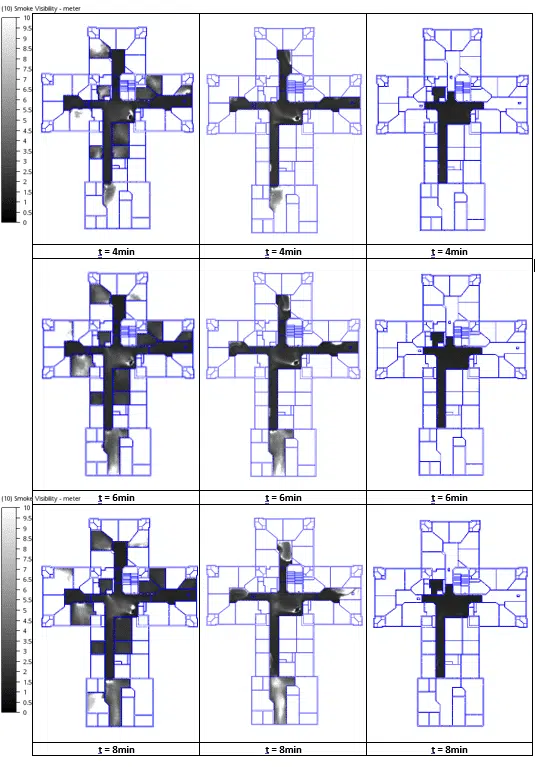
Key takeaway. Where occupants cannot flee, the strategy is not evacuation but compartmentation: controlling where the smoke goes matters more than extracting it everywhere. CFD compares door-control scenarios to prove it before any work.
Hospital smoke control, digital twin and the role of fire doors.
Because patients, especially in palliative care, cannot move to escape the smoke. The study ensures conditions compatible with keeping users safe and eases firefighter intervention. See our smoke-control engineering.
An entire floor of the hospital is reproduced in 3D with the ventilation and HVAC. The mesh of about 10 million cells, refined in the high-gradient areas, keeps the results close to reality.
Combustion is an input parameter: three risk fires were modelled, a mattress fire in a room, a regulatory public-building fire in a storage room and an electrical-cabinet fire in a corridor.
The proposed-versus-existing comparison shows that fire doors control and compartmentalise smoke far better, keep spaces free of it and maintain more spaces at ambient temperature.
Fire detection is relatively fast, on the order of 20 seconds, in line with expectations.
Explore our expertise, projects and technical papers to go further than the FAQ.
CFD smoke-control study of a palliative-care unit at Pontoise hospital: a digital twin of about 10 million cells, three fire scenarios (mattress in a room, storage room, electrical cabinet in a corridor), detection in ~20 s, and a demonstration of the value of fire doors in compartmentalising smoke and keeping spaces at ambient temperature.
CFD expertise, delivered projects and technical dossiers: the whole Smoke control field in one place.
The easiest way is to talk it through together. Our engineers will reply with an initial technical read.