CFD in support of simulating sand and dust movement
In a context of climate change, growing urbanisation and pressure on natural environments, mastering the aeolian transport of particles — sand, dust, powdery materials — becomes a major issue for the sustainability of projects.
At EOLIOS, our expertise in computational fluid dynamics (CFD) allows us to accurately model the movement of these particles under the effect of the wind, to anticipate their impacts and to design solutions suited to each environment.
Analysis & modelling
- Wind erosion on sandy soils
- Transport of fine dust in urban or industrial environments
- Effectiveness of windbreak barriers
Development & construction site
- Impact of developments on coastal sand flows
- Particle transport in construction zones
- Dust containment devices
Design & management
- Fences and temporary protections
- Effects of urban planning on dust dispersion
- Sustainable management of dunes and sensitive environments
We support project owners, urban planners, industrial operators and developers in projects that require accounting for particle flows: sand erosion and deposition, dust management on construction sites, preservation of dunes or limitation of emissions around sensitive sites. Through an approach combining on-site measurements and numerical simulation, we offer concrete responses to secure the facilities, preserve the ecosystems and improve quality of life.
Particle dynamics linked to the wind-ground interaction
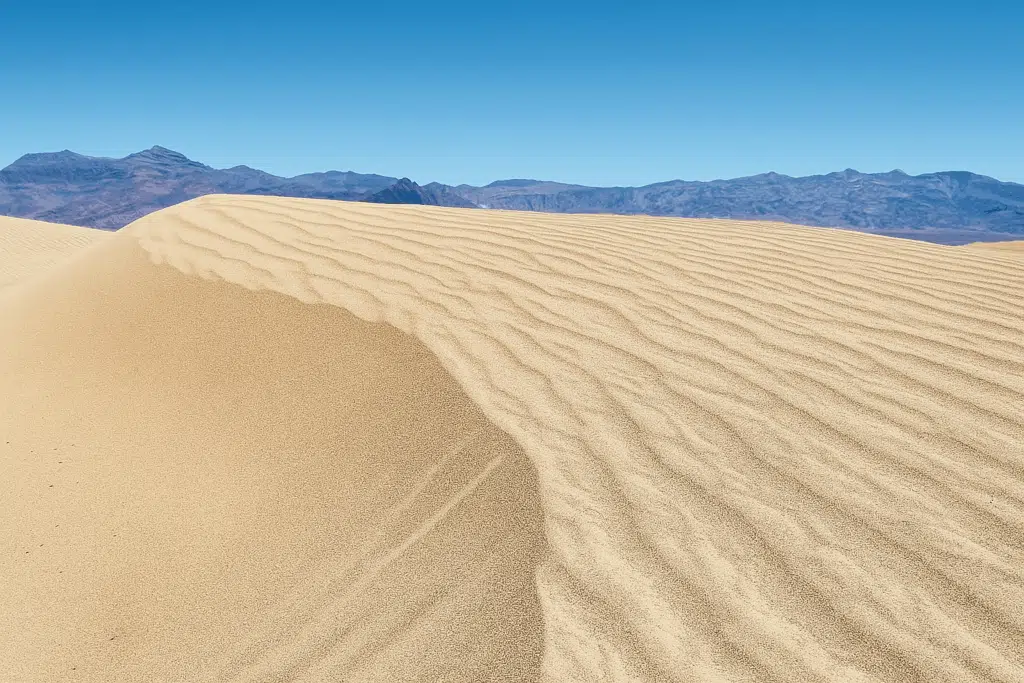
The movement of sand and dust is a natural phenomenon influenced by weather conditions, the site morphology and human activities. In coastal, desert or industrial areas, these movements can compromise the stability of structures, generate health nuisances or alter the landscape. EOLIOS draws on its skills in fluid mechanics and numerical modelling to finely analyse these phenomena, anticipate their effects and propose suitable development solutions.
Complex mechanisms
Wind erosion is the result of multiple processes: lift-off of particles, transport by saltation or suspension, and deposition. These phenomena vary according to the grain size, the soil moisture, the vegetation cover, the surface obstacles and above all the intensity and the wind direction.
EOLIOS studies all of these parameters through a combined approach of field measurements and CFD modelling, in order to faithfully represent the behaviour of the particles in natural or urban environments.
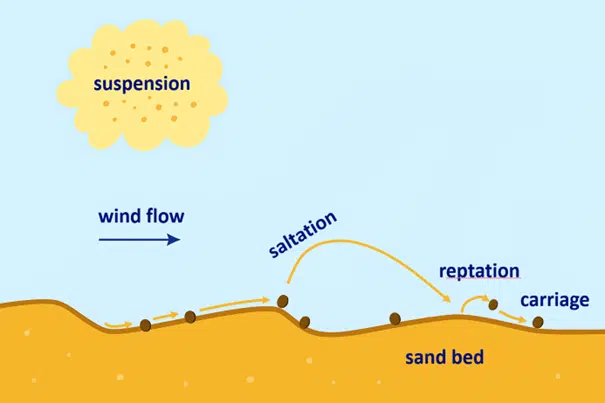
Our engineers assess the deposition risks on sensitive structures (roads, rails, technical buildings), the potential erosion zones (embankments, beaches, dunes), or the dust plumes arising from industrial activities or earthworks.
Analysing the movement: measurement and simulation
On-site measurements: identifying the sources and quantifying the flows
The first steps of a diagnosis consist in characterising the real environmental conditions: wind speed and direction, humidity, ground roughness, physical obstacles. EOLIOS deploys meteorological sensors, anemometers, dust monitors (PM10, PM2.5), as well as mobile sand-collection devices to quantify the aeolian flows.
These data make it possible to identify the emission source zones (bare areas, construction sectors, mobile dunes) as well as the preferential transport corridors. The on-site measurement also forms an essential basis for calibrating the numerical models.
CFD modelling: trajectories, accumulations and sensitive zones
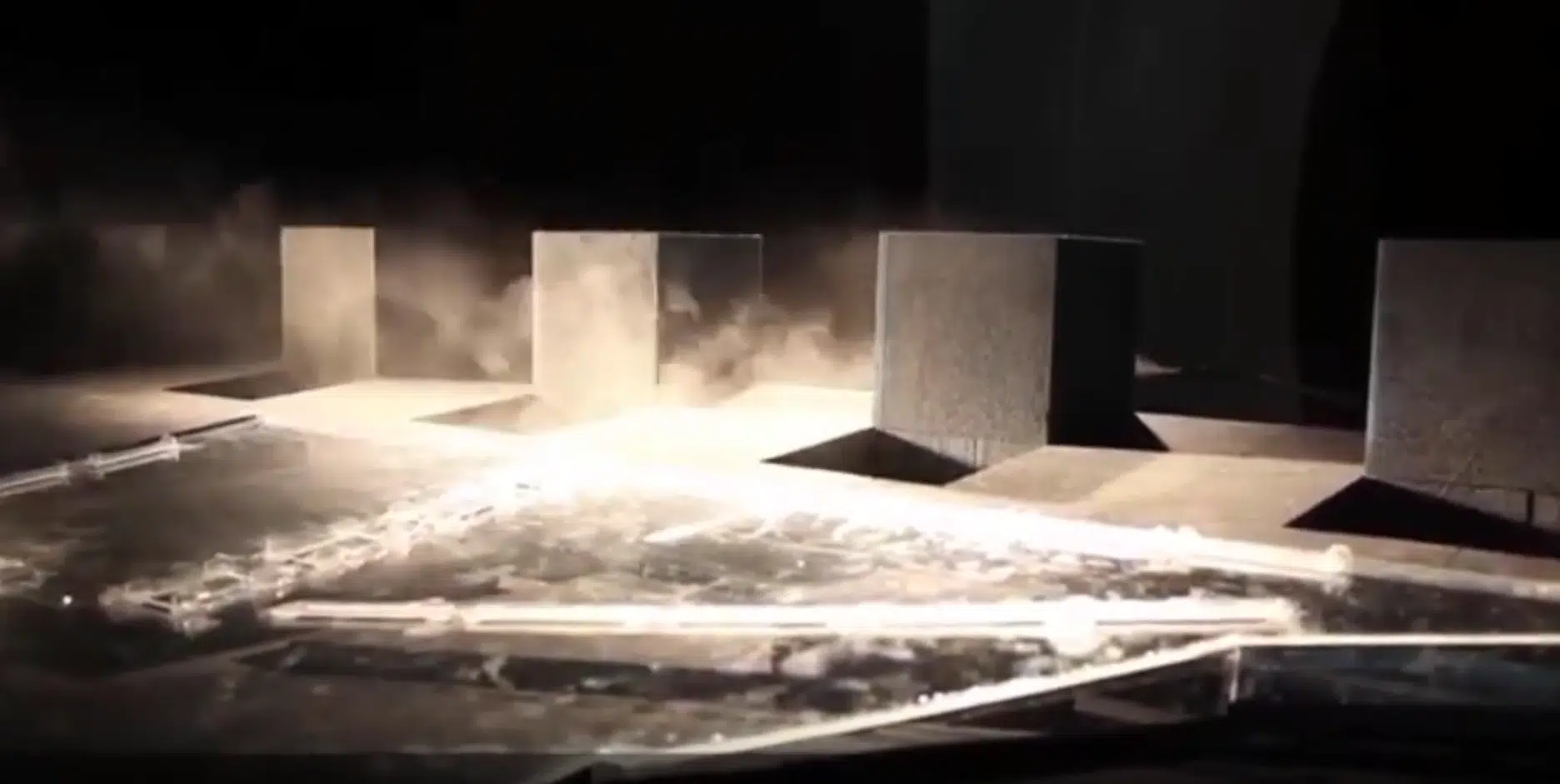
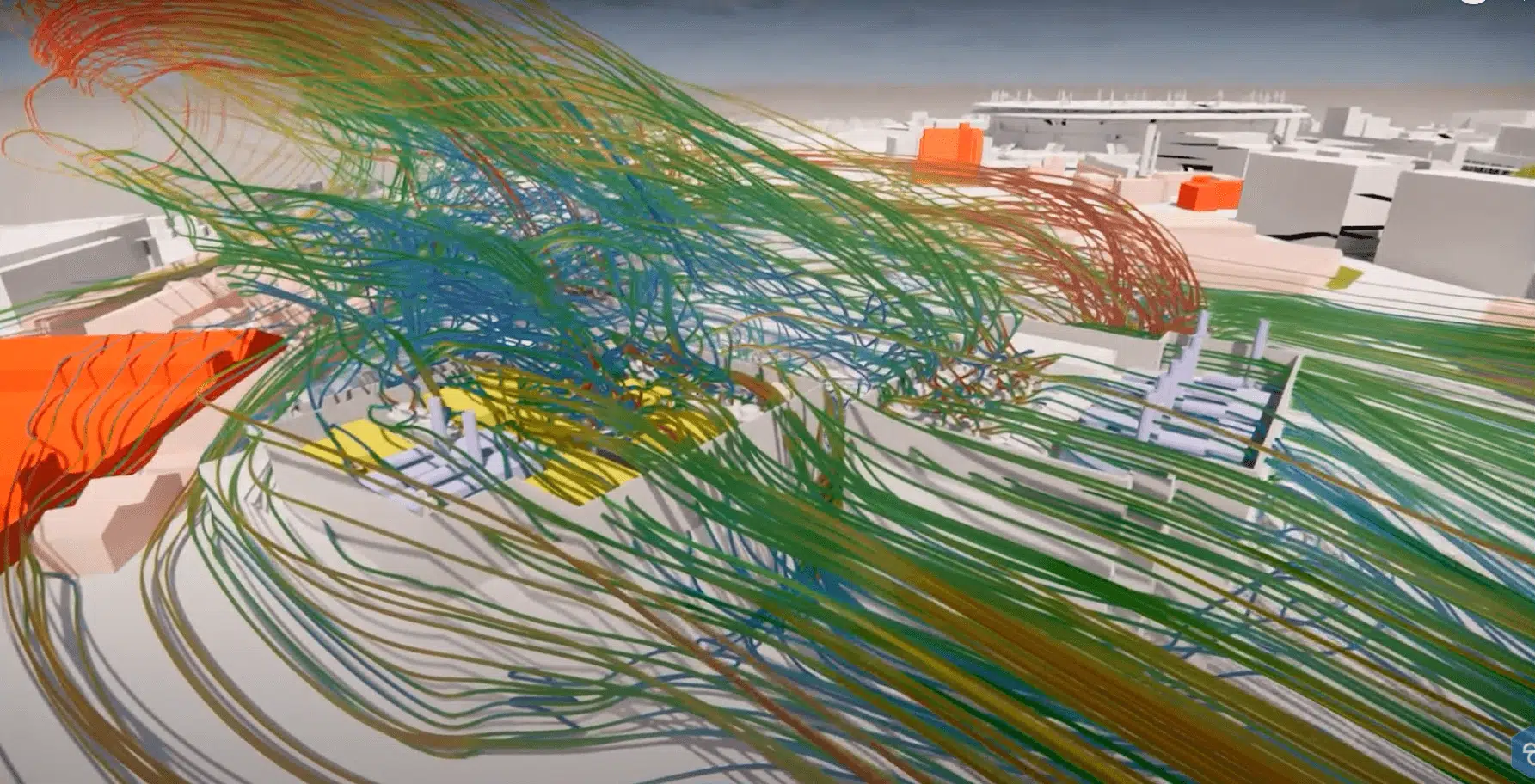
CFD simulations make it possible to reproduce the interactions between the airflow and the transported solid particles. Depending on the needs of the project, EOLIOS uses suitable models to simulate the different grain sizes, their deposition velocity and their behaviour in the presence of obstacles or terrain roughness.
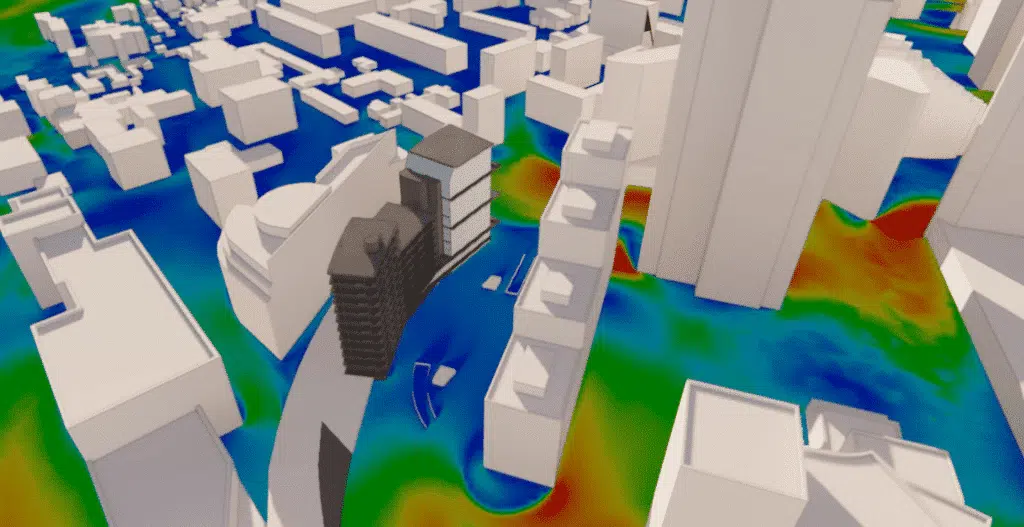
These models incorporate the effects of turbulence, the velocity gradients at ground level, the roughness and the temporal evolution of the wind. They make it possible to accurately map the erosion zones, the transport corridors, the deposits at the base of structures or the impacts on vegetation.
From the coastline to industrial sites
Protecting structures and managing the burial risk
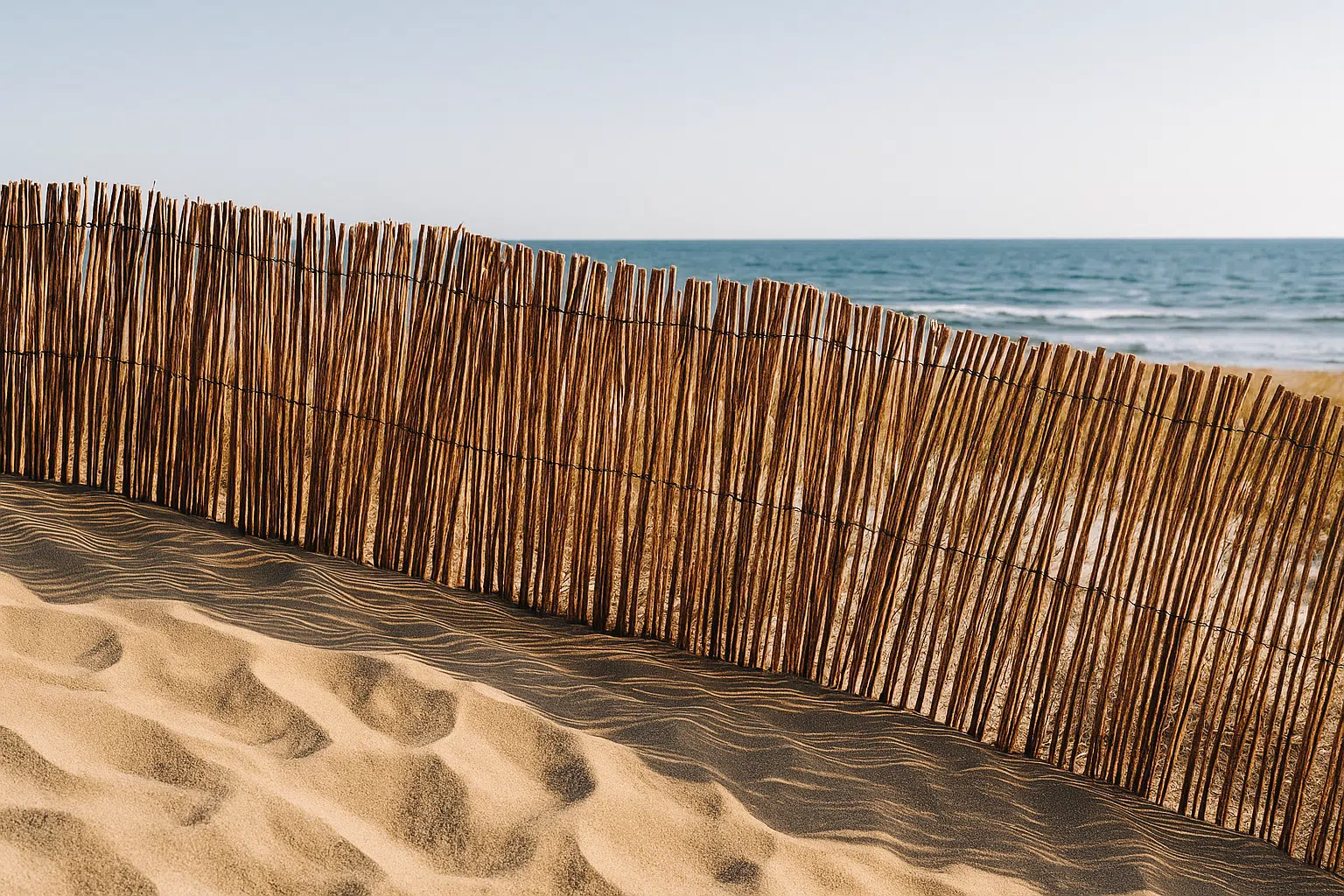
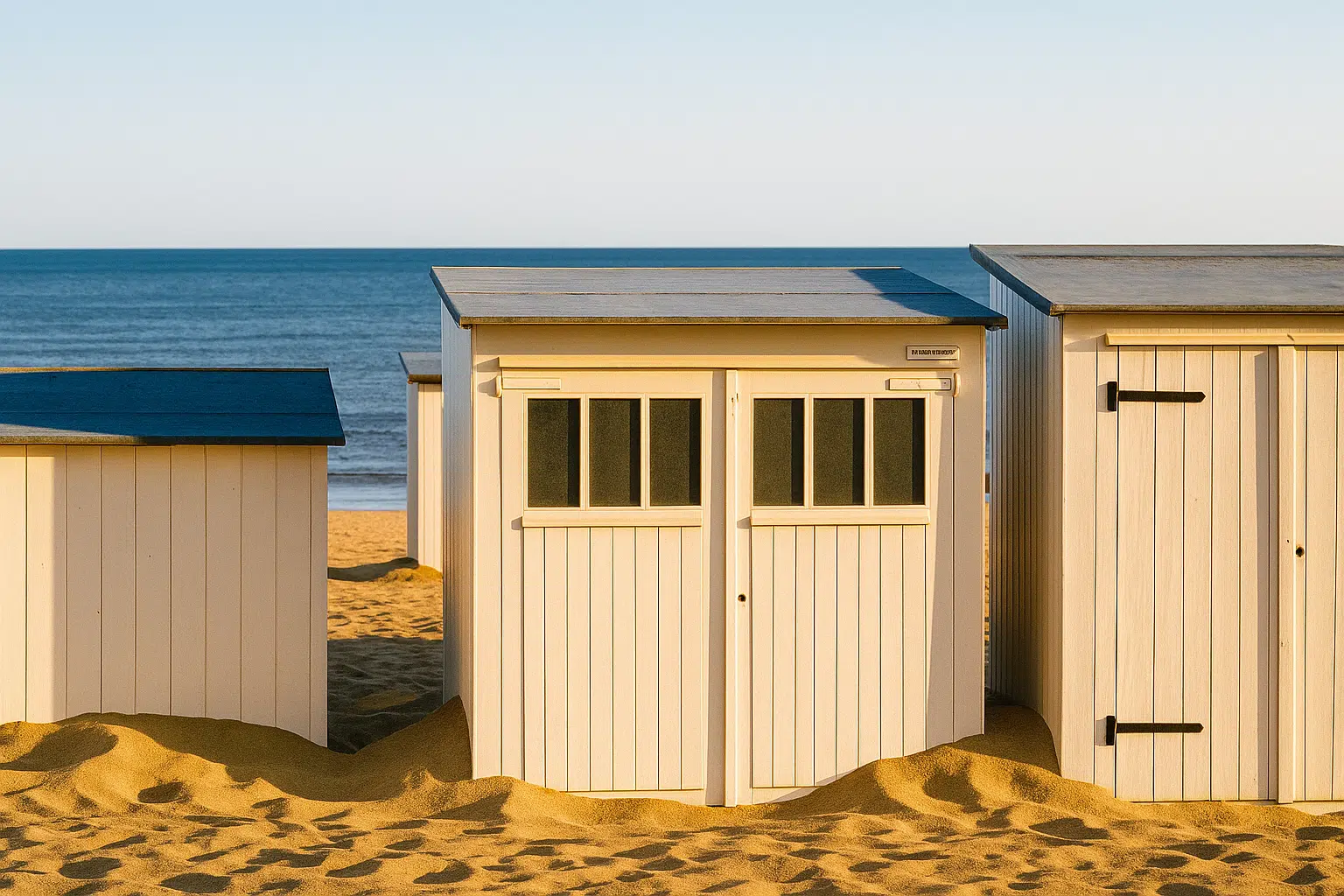
In coastal or desert areas, sand flows can jeopardise the stability of infrastructure (fences, roads, railways, technical buildings). Our studies make it possible to determine the expected accumulation heights, the low-mixing zones conducive to deposition, and to assess the durability of the existing protections (windbreak nets, embankments, fences).
Specific simulations can be carried out to optimise the placement of screens, vegetation or anti-erosion materials. These tools are also valuable for anticipating the progressive burial of structures or the maintenance needs of technical sites (solar panels, sensors, railways).
Industrial dust: limiting the health and environmental impact
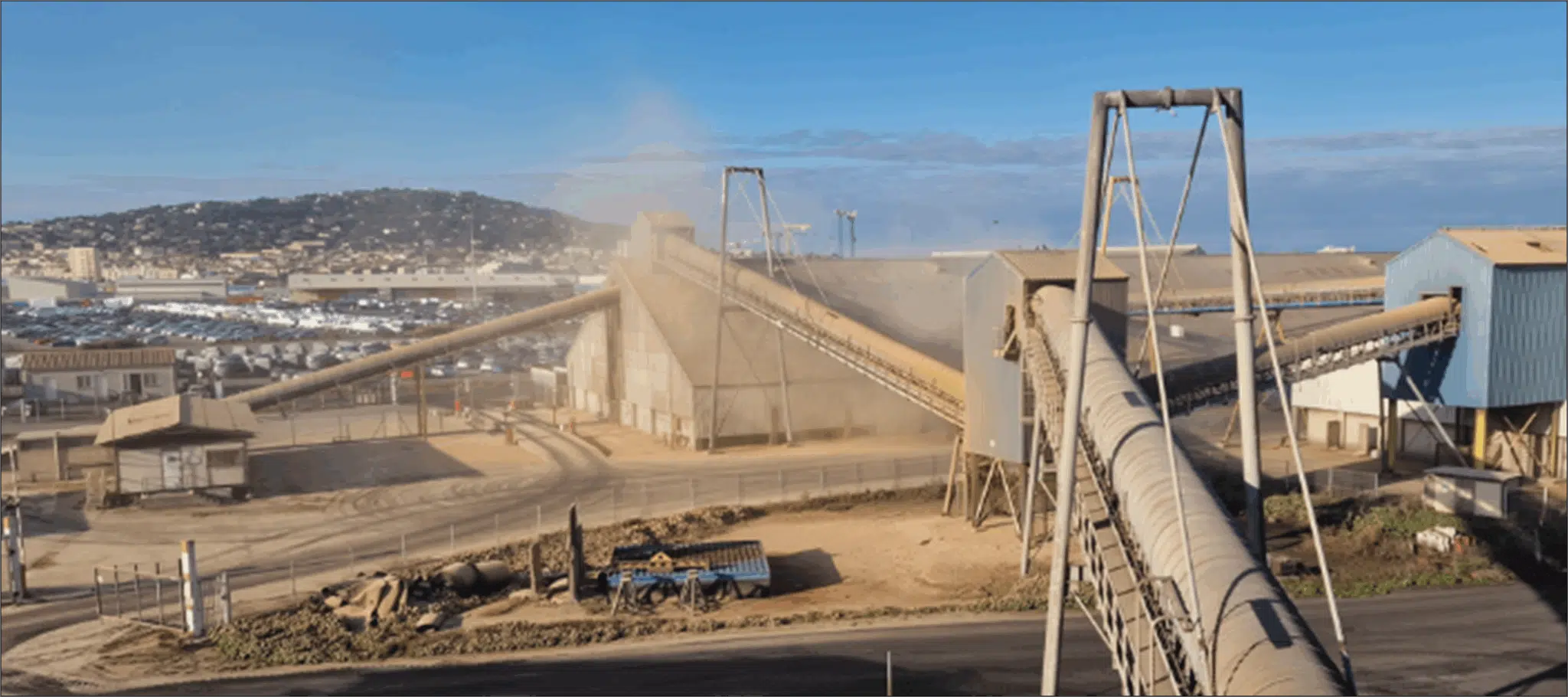
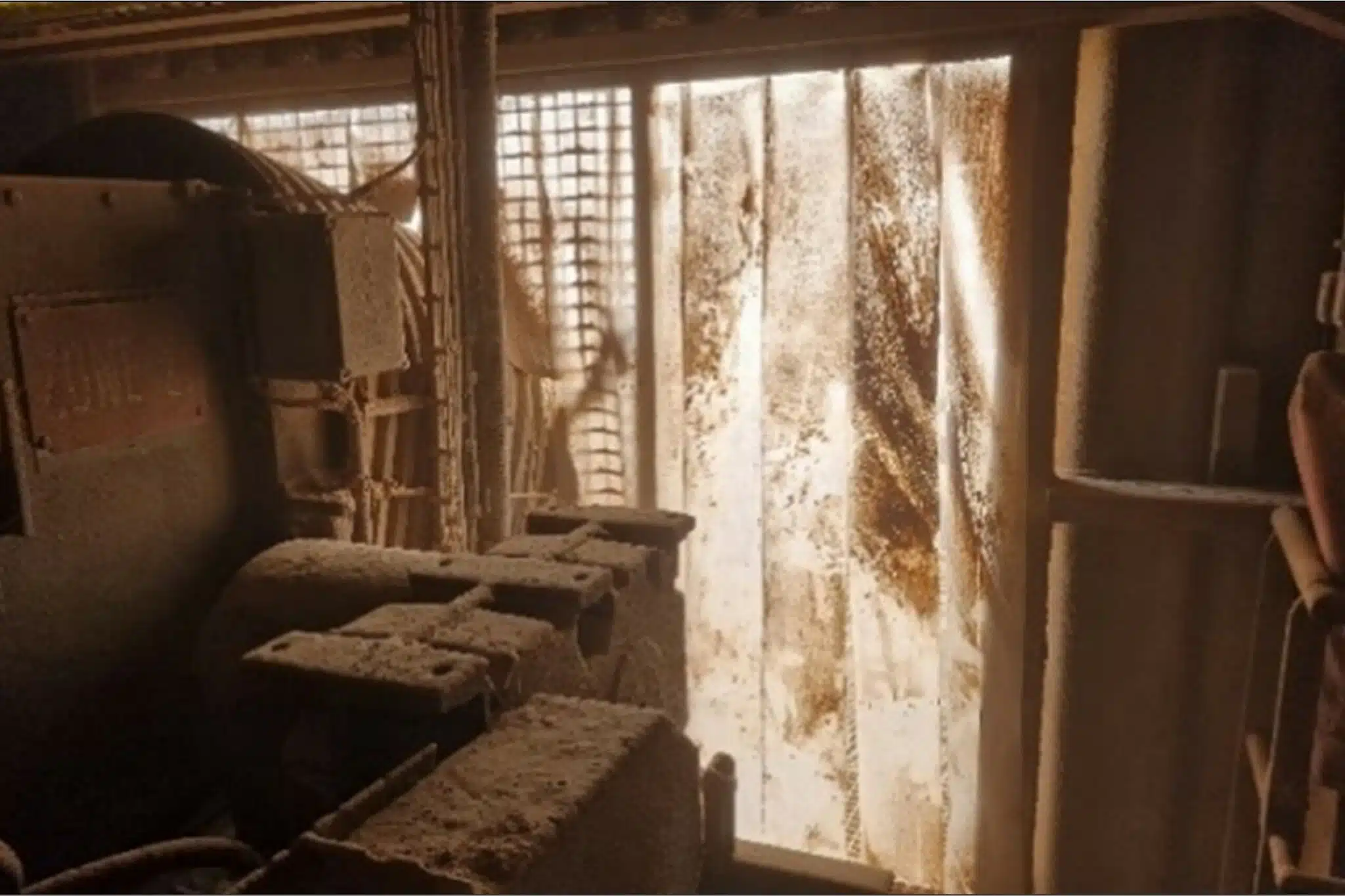
At quarry, storage or powdery-material processing sites, dust emissions can generate health risks for workers, nuisances for local residents and damaging deposits on the facilities. EOLIOS works to analyse the dust dispersion under real conditions (strong wind, moving machinery, extraction) and to propose corrective actions: changing the orientation of the stockpiles, misting, greening, airflow barriers.
The simulation results are interpreted in relation to the air-quality standards and the local regulatory requirements, taking into account the sensitivity of the site (proximity of homes, schools, protected areas).
Comprehensive support for mastering particle phenomena
The EOLIOS approach is based on integrating all the dimensions of the phenomenon: knowledge of the terrain, state-of-the-art instrumentation, advanced numerical analysis and interpretation by specialised engineers. This combination makes it possible to obtain reliable, operational diagnoses that are directly usable for the design or the optimisation of projects.
Our deliverables include dynamic maps of particle flows, 3D visualisations of the at-risk zones, erosion or deposition indicators and technical recommendations (placement of screens, greening, modification of topographic profiles).
Whether your project involves a coastal infrastructure, an open-air construction site, a wind-exposed sensitive site or an industrial zone subject to dust emissions, the EOLIOS experts support you to secure, preserve and optimise the environment.