We model air, heat, smoke and wind with scientific accuracy, to design, optimise and secure your most complex facilities.
One single physics, taken very far: if it is a fluid, we can simulate it.
EOLIOS is a computational fluid dynamics engineering consultancy. Our tool, CFD simulation, solves the equations of flow and heat transfer inside a digital replica of your installation. The output is not a picture: it is a set of values — air velocity, temperature, pressure, concentration, humidity — available at every point of the volume and at every instant of the scenario.
We work from competition stage through to operation, on new-build projects as well as on sites already in service. Every study starts from real geometry and from measured or standardised boundary conditions, and ends with quantified recommendations your teams can act on: a stack height, a grille position, an airflow rate, a setpoint, a sizing assumption to revise.
That narrow specialisation is precisely what opens up our range: wind comfort around a tower, the cooling of a hyperscale data center, a steelworks hall, a pharmaceutical cleanroom, an atrium or a swimming pool all come down to the same science.
3D reconstruction of the building and its equipment, mesh refined where it matters, physical models chosen for the phenomenon under study.
Velocity, temperature and pressure fields, air change rates, visibility and concentrations, compared against the regulatory criteria of your project.
Comparison of design options, failure and heatwave scenarios, documented technical trade-offs. You decide on measured differences, not on intuition.
EOLIOS is a CFD engineering consultancy, specialising in fluid mechanics. Backed by years of experience and unmatched know-how, we put our expertise at the service of your projects. Our team of engineers is dedicated to the design, analysis and delivery of complex systems, tailored to your specific needs. Whatever the size of your project, we approach it with the same rigour.
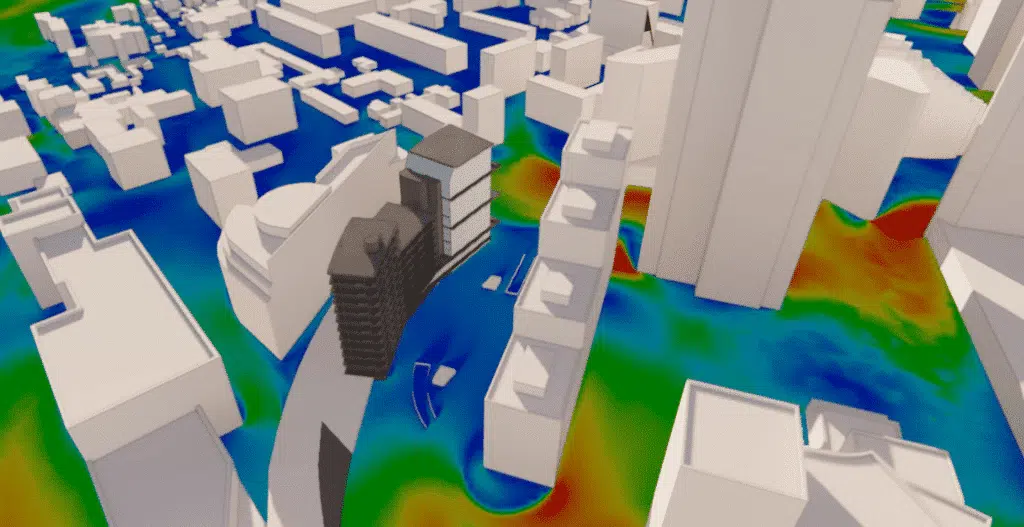
Pedestrian comfort, pollutant dispersion, wind loads and the aerodynamics of structures.
Open this domain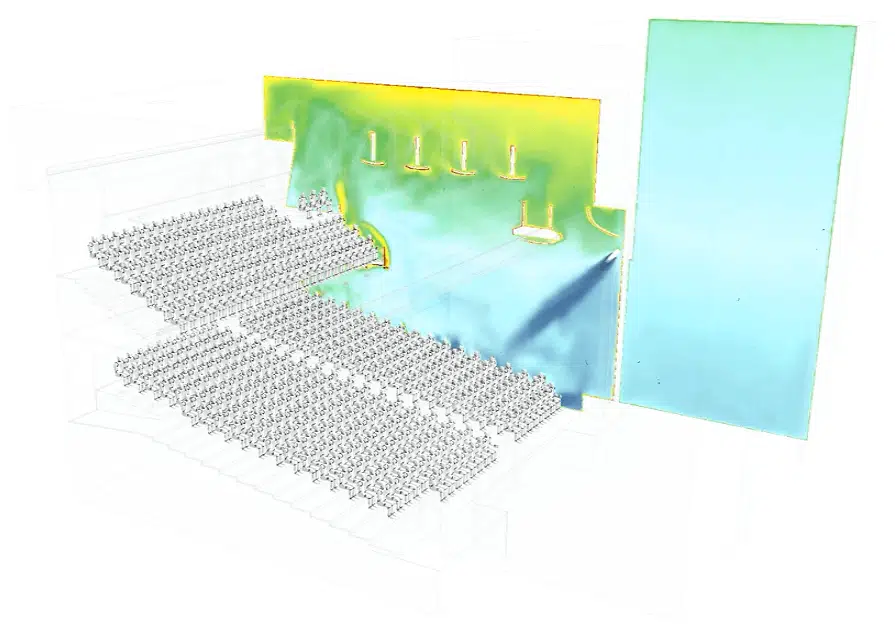
Thermal and airflow comfort, air diffusion, large volumes and energy performance.
Open this domain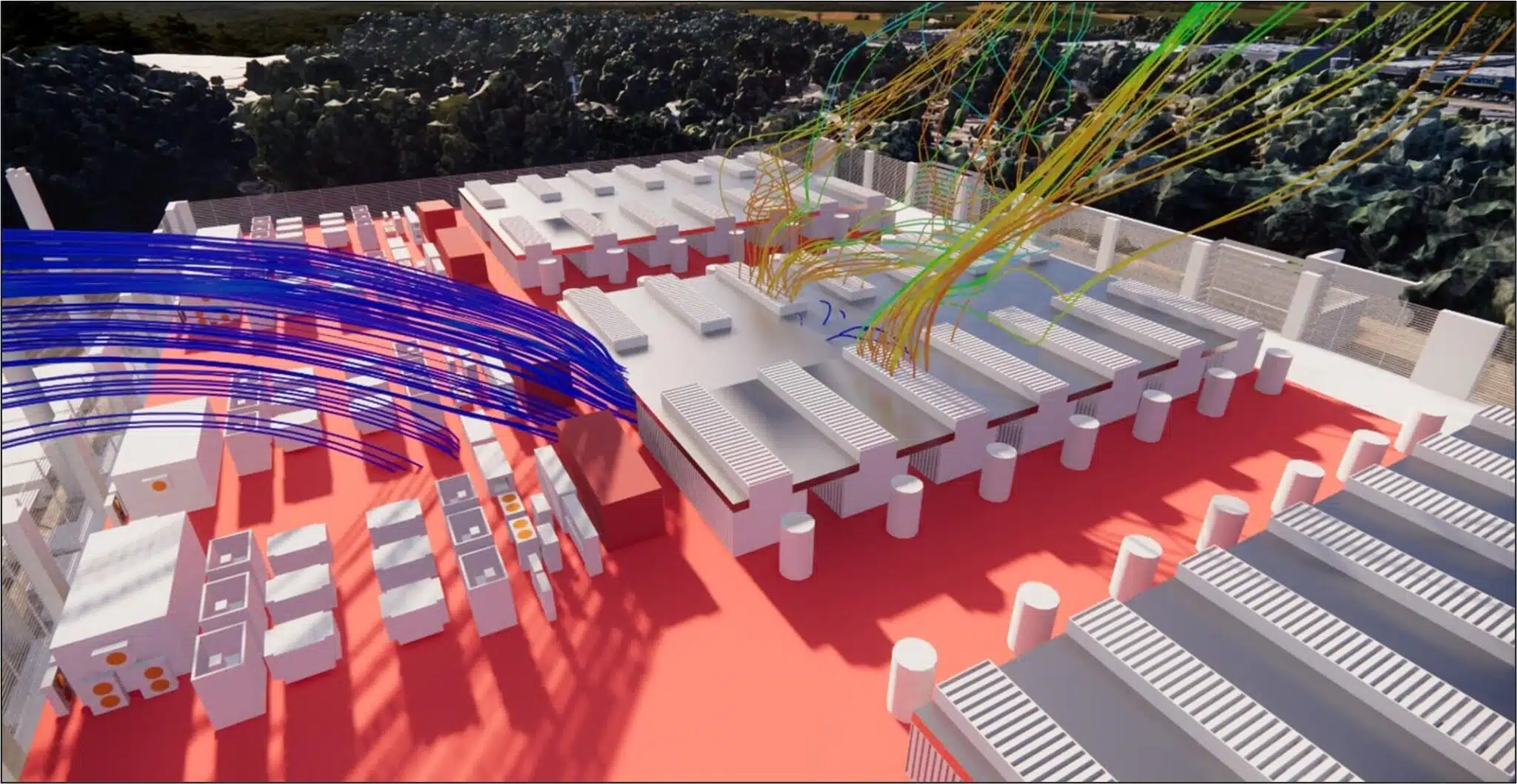
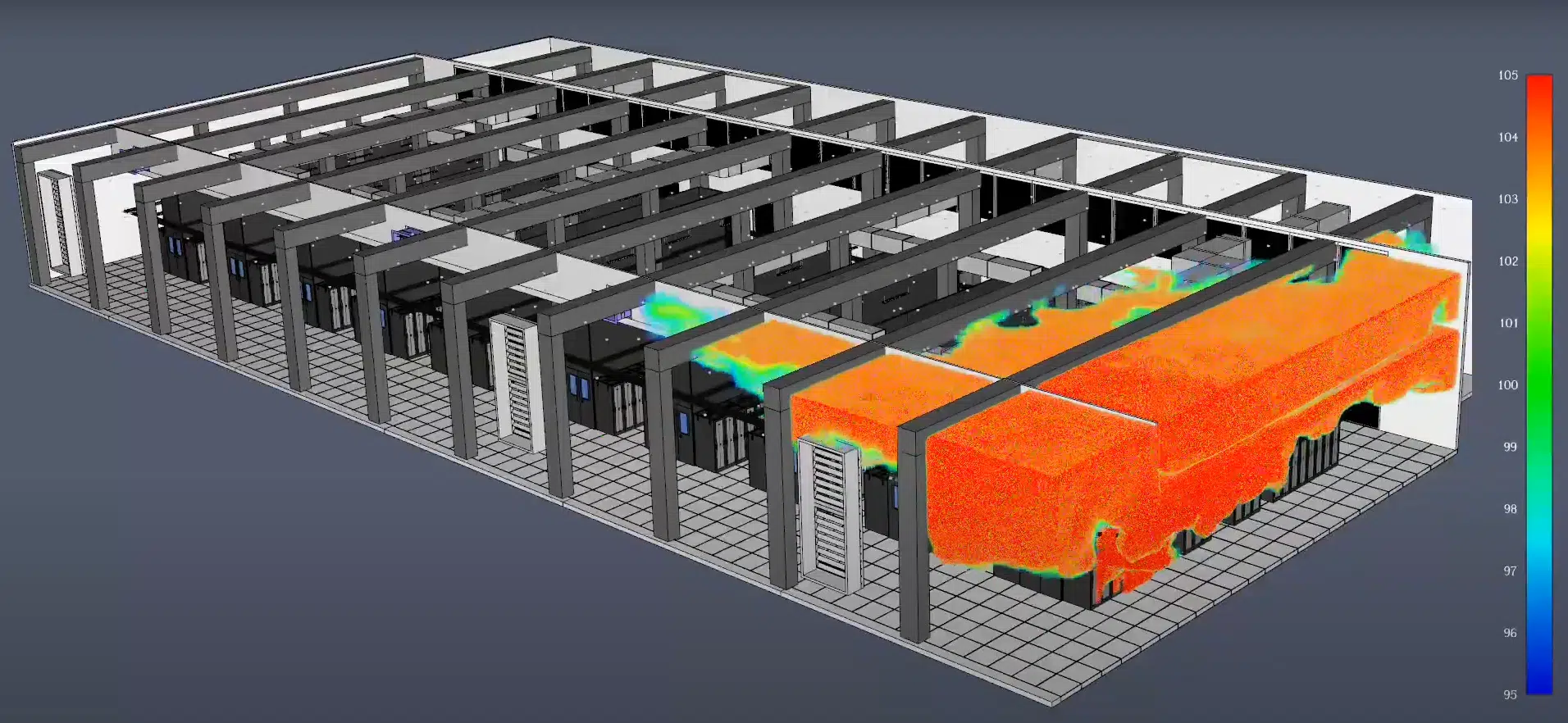
Thermal digital twins, failure scenarios and validation of rack inlet temperatures.
Open this domain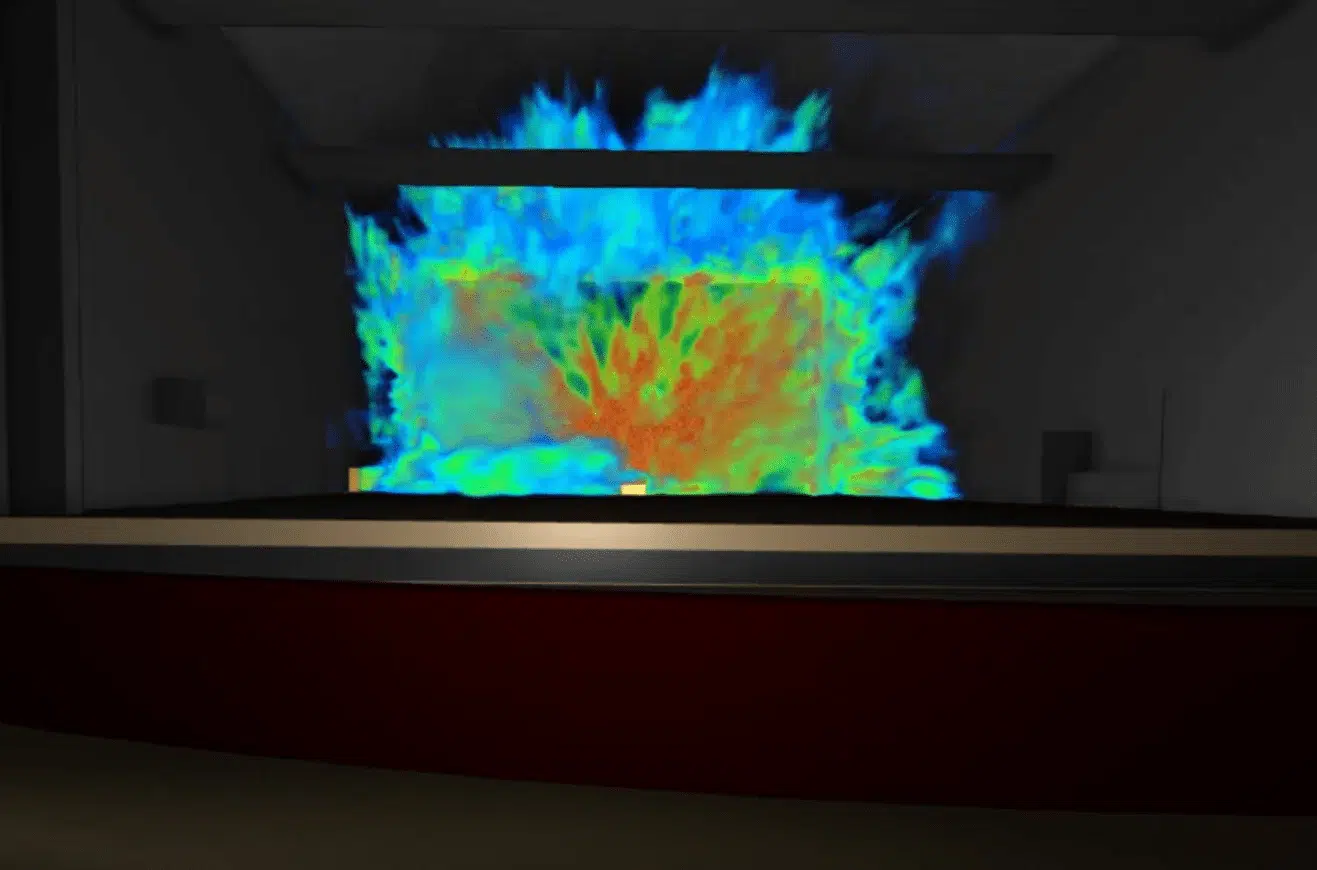
Smoke propagation, gaseous suppression systems and fire safety engineering (FDS).
Open this domain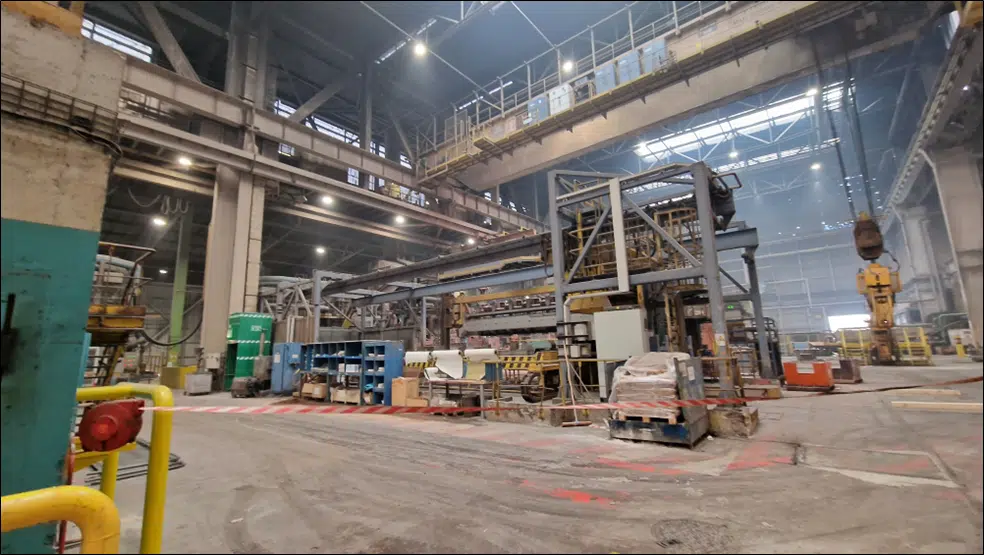
Natural ventilation, dust, process heat and industrial digital twins.
Open this domain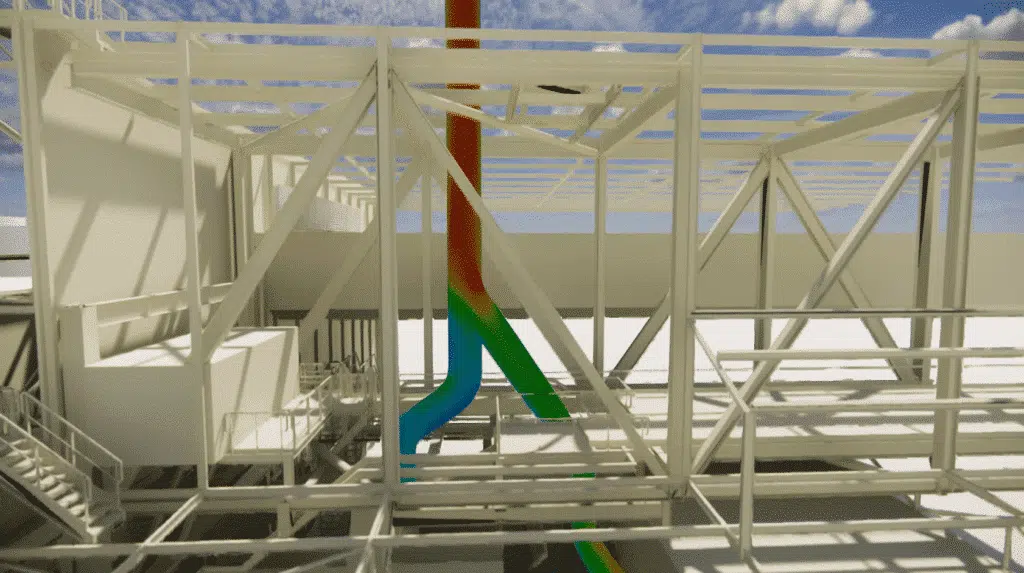
Ductwork and pressure drop, chimneys and draught, thermal storage and process equipment.
Open this domain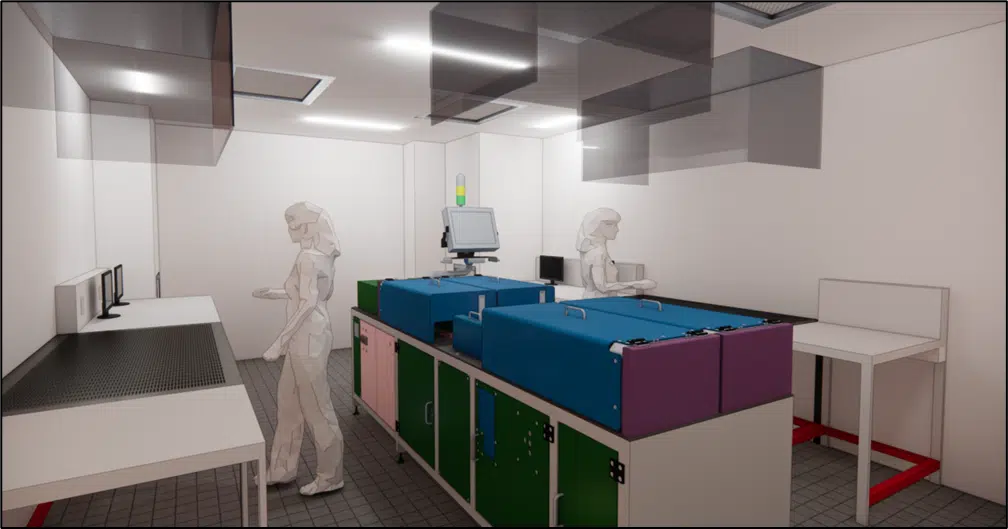
Cleanrooms, laminar flow, particulate contamination and ISO 14644 compliance.
Open this domain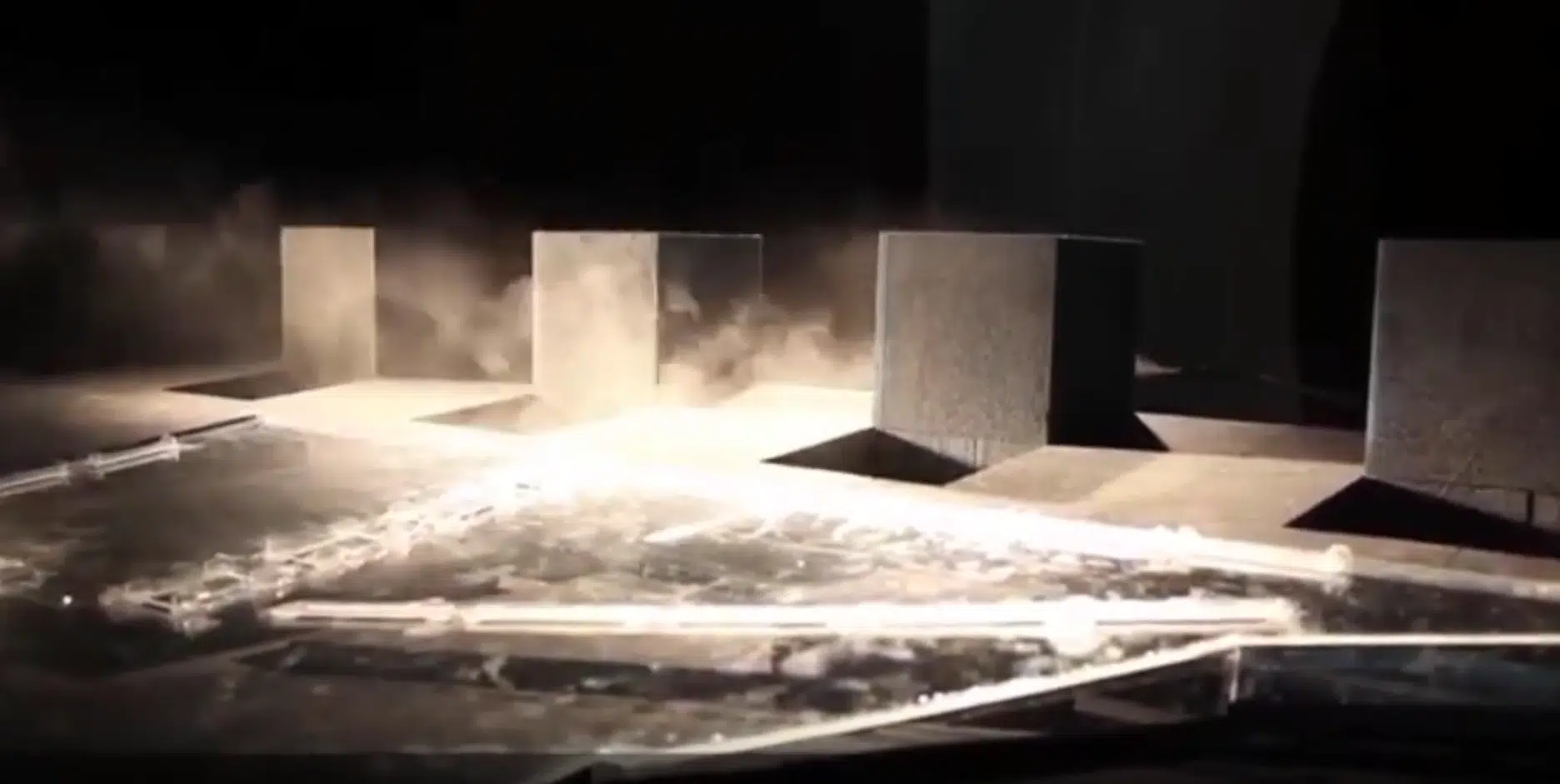
An in-house fluid mechanics research unit, a digital wind tunnel and the development of our own CFD methods.
Open this domainThe aerodynamic drag of a cycling peloton or a vehicle, the wind energy potential of a façade, a logistics cold store or a VOC treatment process: part of our work begins outside the established domains. Our R&D unit and our digital wind tunnel let us tackle configurations nobody has modelled yet.
More than a hundred simulation videos taken from real studies. Scroll through and hover over a thumbnail to set the calculation in motion.
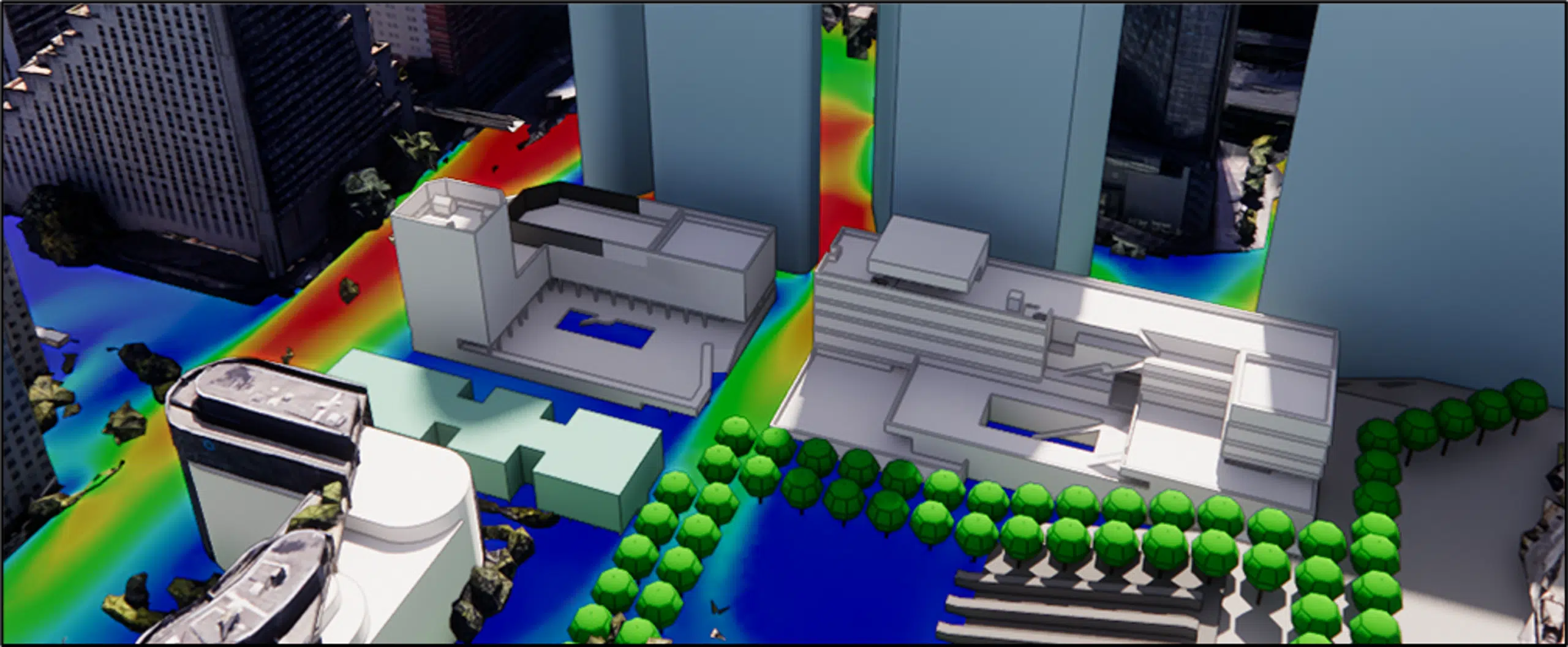 LES simulation
Air & Wind · ParisPedestrian wind comfort at La DéfenseView the study
External airflow
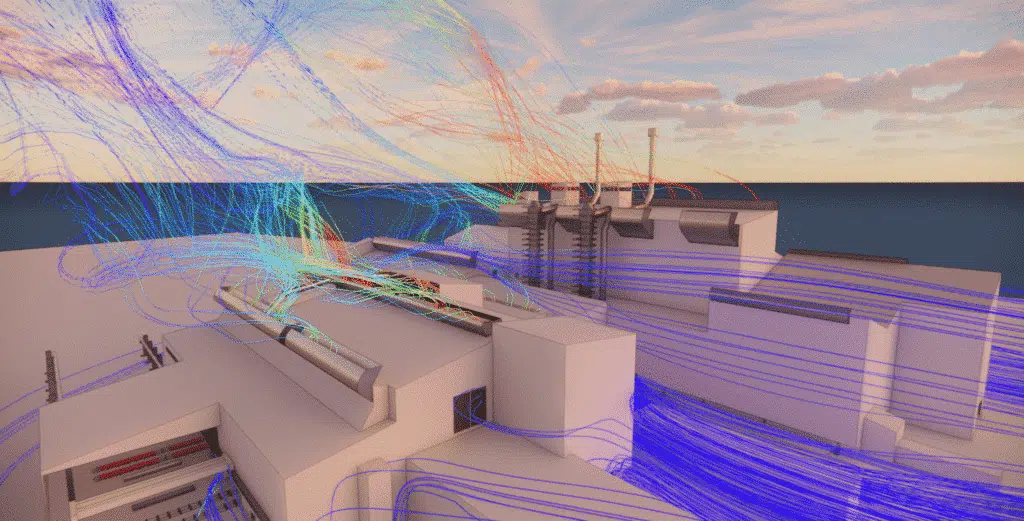
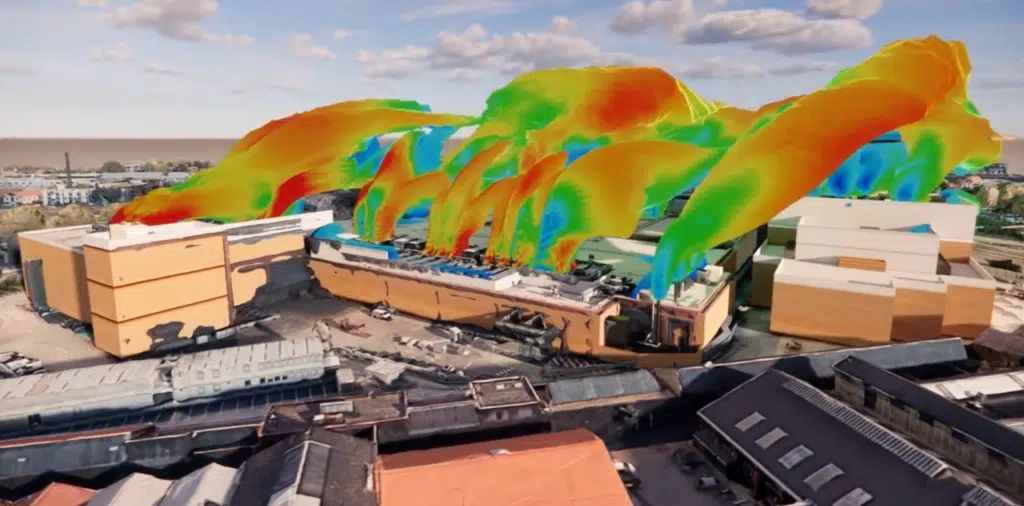
Data Center · HyperscaleHeat rejection and roof-level recirculationView the study
LES simulation
Air & Wind · ParisPedestrian wind comfort at La DéfenseView the study
External airflow
Data Center · HyperscaleHeat rejection and roof-level recirculationView the study
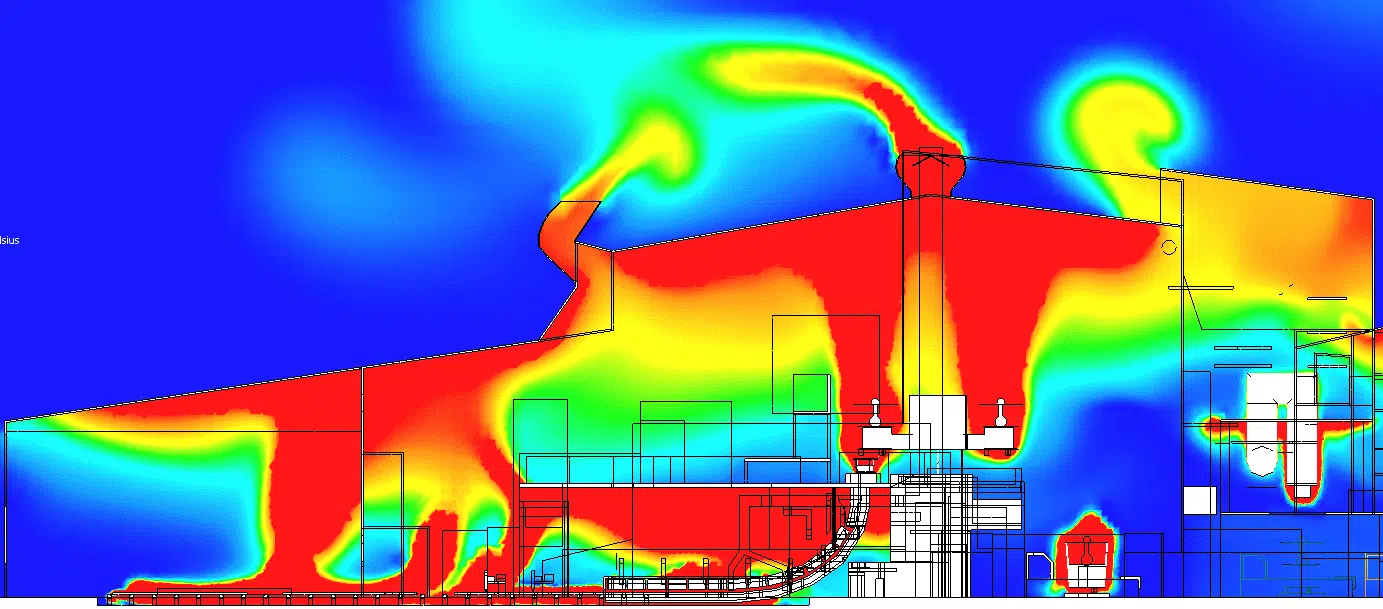 Temperature isosurface
Industries · SteelmakingFurnace plumes in a steelworks hallView the study
Temperature isosurface
Industries · SteelmakingFurnace plumes in a steelworks hallView the study
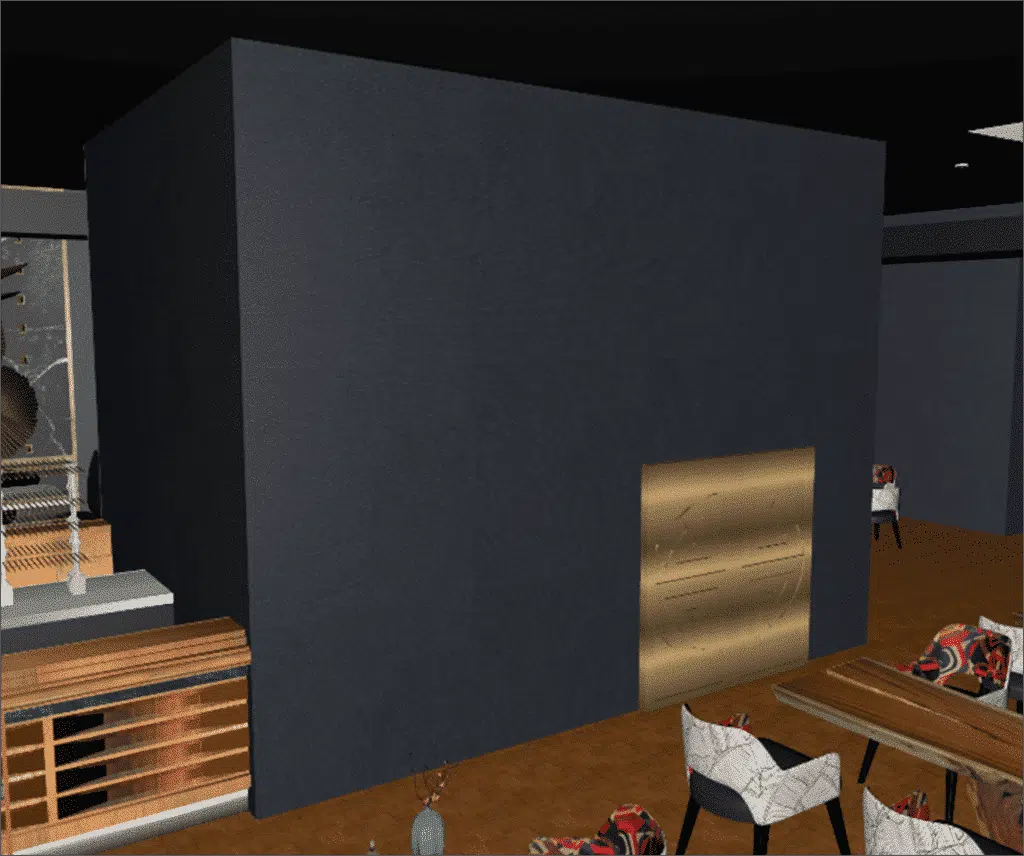 FDS simulation
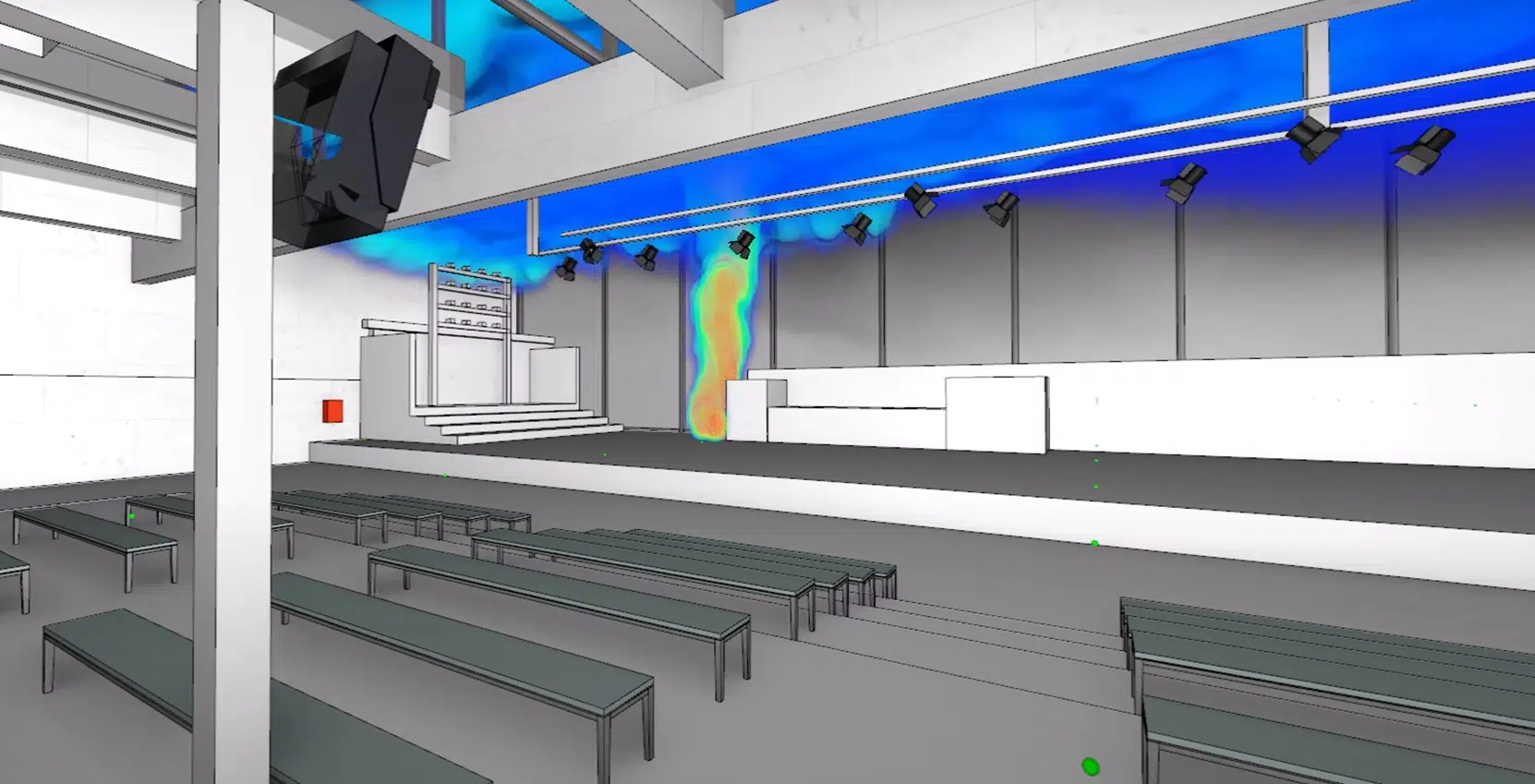
Smoke control · Restaurant venueSmoke control of a restaurant spaceView the study
FDS simulation
Smoke control · Restaurant venueSmoke control of a restaurant spaceView the study
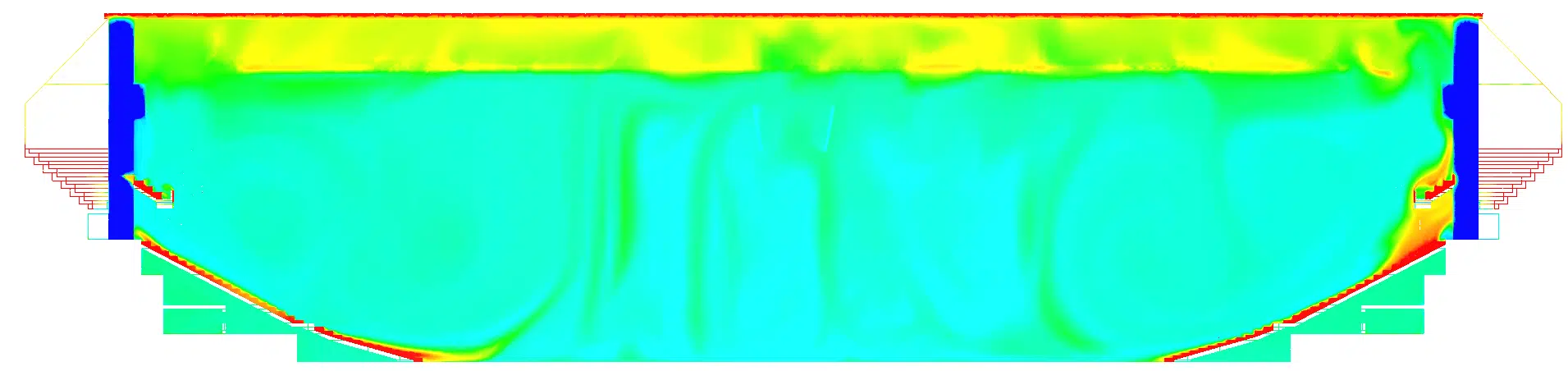 Extreme conditions
Climatic engineering · Paris-BercyThermal analysis of the Accor ArenaView the study
Laminar flow
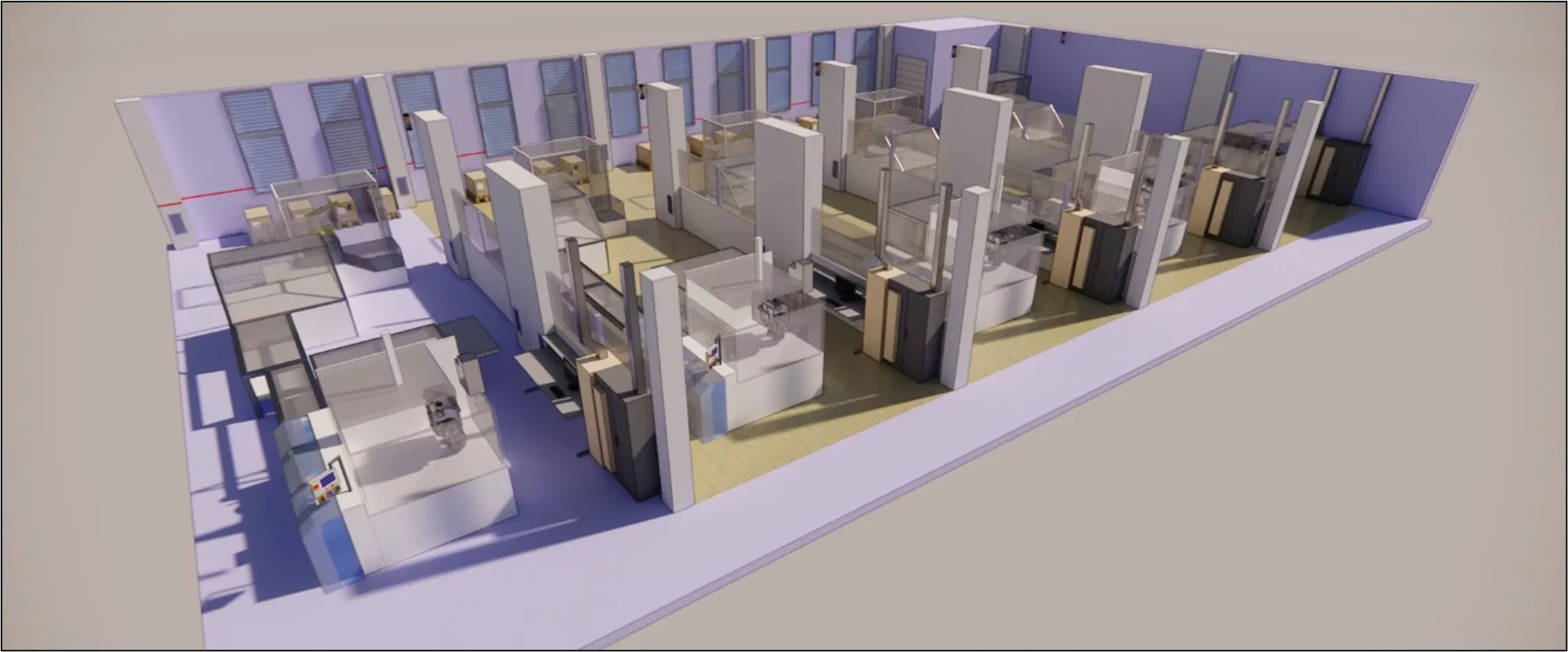
Laboratories · ISO 14644Airflow inside a cleanroomView the study
Extreme conditions
Climatic engineering · Paris-BercyThermal analysis of the Accor ArenaView the study
Laminar flow
Laboratories · ISO 14644Airflow inside a cleanroomView the study
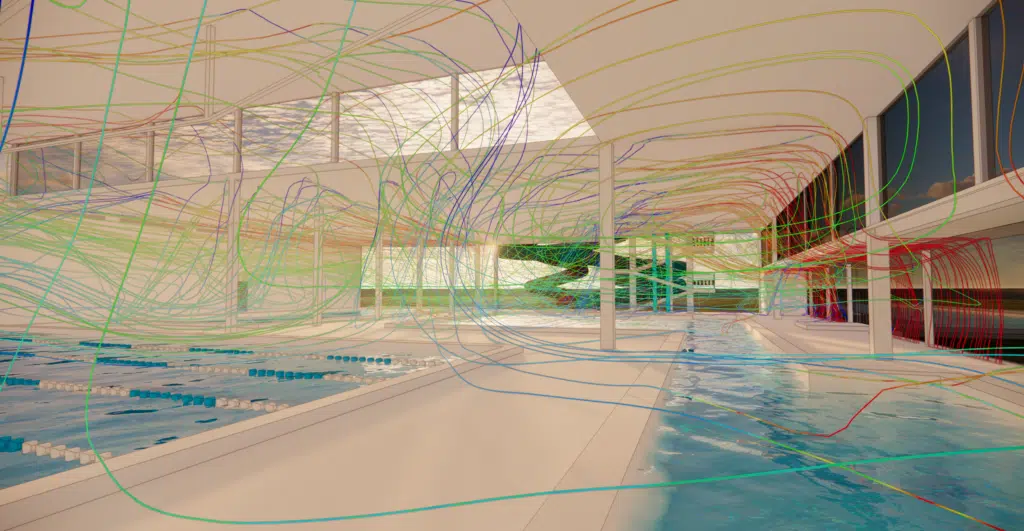 Thermal & airflow
Climatic engineering · Hauts-de-SeineCondensation and comfort in an aquatic centreView the study
Draught & dispersion
Process · Aluminium furnaceSizing of an industrial chimneyView the study
Thermal & airflow
Climatic engineering · Hauts-de-SeineCondensation and comfort in an aquatic centreView the study
Draught & dispersion
Process · Aluminium furnaceSizing of an industrial chimneyView the study
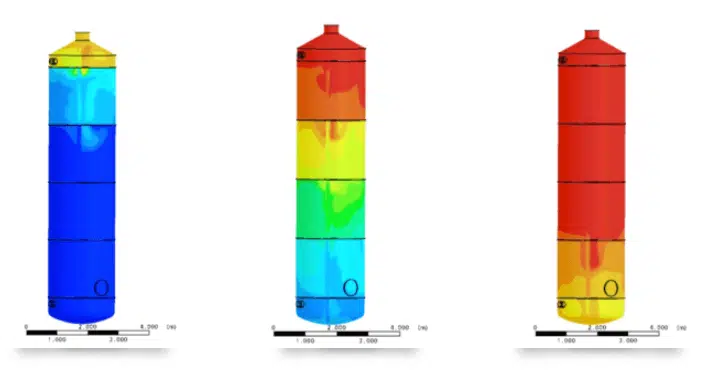 Stratification
Process · Thermal storageStratification inside a storage tankView the study
Stratification
Process · Thermal storageStratification inside a storage tankView the study
Same volumes, same equipment, same loads, same flow rates: once calibrated, the twin answers questions the real installation never could, because nobody triggers a total outage on a heatwave day just to see what happens.
Racks, ducts, grilles, machines, obstructions: the model follows the drawings and the site survey, including everything that disturbs the flow and appears on no schematic.
On an operating site we compare the model with temperature, velocity and pressure readings until every deviation can be explained. On a new-build project, assumptions are standardised and traceable.
Loss of a chiller, switchover to backup power, heatwave, contained fire, ventilation shutdown: every case is simulated as a time-stamped transient, so you know how many minutes you have.
The twin stays usable after delivery: room extension, rack densification, setpoint change. Every change is tested on the model before it is committed on site.
More than two hundred sites modelled, from a few-hundred-kilowatt room to a hyperscale campus. We cover the whole chain: external airflow, data halls, technical rooms, fire, commissioning and PUE, with a digital twin that remains usable after handover.
Every study follows the same protocol, whatever the domain, and usually starts with a site visit, instruments in hand. At any moment you know what is measured, what is modelled, what is simplified and why.
The technical question to settle, the applicable standards, the expected deliverables and the scenarios to cover.
Anemometry, thermography, pressure readings and smoke tests: our engineers travel to site to tie the model to the real behaviour of the installation.
Drawings reworked, site survey, controlled simplification of details that have no effect on the flow.
Refinement of sensitive zones, choice of turbulence model, radiation and buoyancy according to the dominant physics.
Dedicated compute servers, scenarios run in parallel, convergence and mass and energy balances checked.
An annotated report, field maps, comparison of options, then a debrief in front of your teams so decisions are made together.
The same engineer follows you from the first measurement to the final debrief, but no conclusion rests on a single opinion. Assumptions, turbulence model choices and recommendations are reviewed by a panel of engineers (airflow, thermal, fire, computation) before delivery: you know who made each assumption, and who approved it.
No project is too small to be calculated, none too large to be followed through. From one end of this scale to the other, what changes is the number of scenarios and the resolution of the model: not the six-step protocol, and not the engineer who answers you.
A doubt about a sizing, an unexplained hotspot, an assumption to confirm: we read your drawings, run a first-order calculation and give you a reasoned answer.
1 scenario · summary noteOne room, one piece of equipment, one zone. A model simplified to what is strictly needed and two or three options compared to settle a technical choice.
2 to 4 scenarios · report + field mapsA whole building or installation, coupled physics (airflow, thermal, radiation), regulatory scenarios and degraded cases.
Multiple scenarios · report, videos, debriefFrom competition stage to operation: the model follows each phase, is recalibrated against site measurements and becomes a digital twin of the installation.
Model kept up to date · concept → detailed design → construction → commissioningIf your subject fits into one question, ask it: we will tell you frankly whether it needs a simulation, an on-site measurement, or simply an opinion.
A calculation is only worth something if you can say how accurate it is. Our methods are checked against measurements, documented and published.
Anemometry, thermography, smoke tests: our on-site campaigns are the reference for the model. Residual deviations are explained, never smoothed away.
Our work is presented at conferences and published as open technical papers, from the CFD white paper to guides on applying regulations.
An in-house unit develops and validates our methods on benchmark cases, which lets us take on configurations never modelled before.
Know-how shows in the projects: every reference links to the study published on this site, with its context, CFD model, results and recommendations.
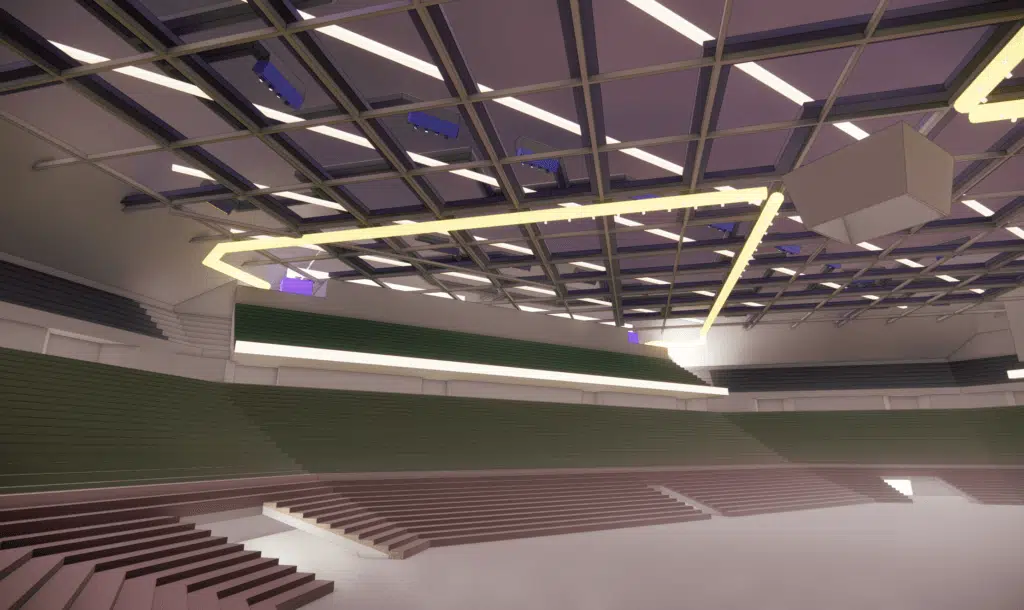 Accor Arena Paris-Bercy
Thermal analysis of the arena under extreme occupancy conditions.
View the studyAluminium DunkerqueAirflow and thermal behaviour of the electrolysis hall, natural ventilation.
View the study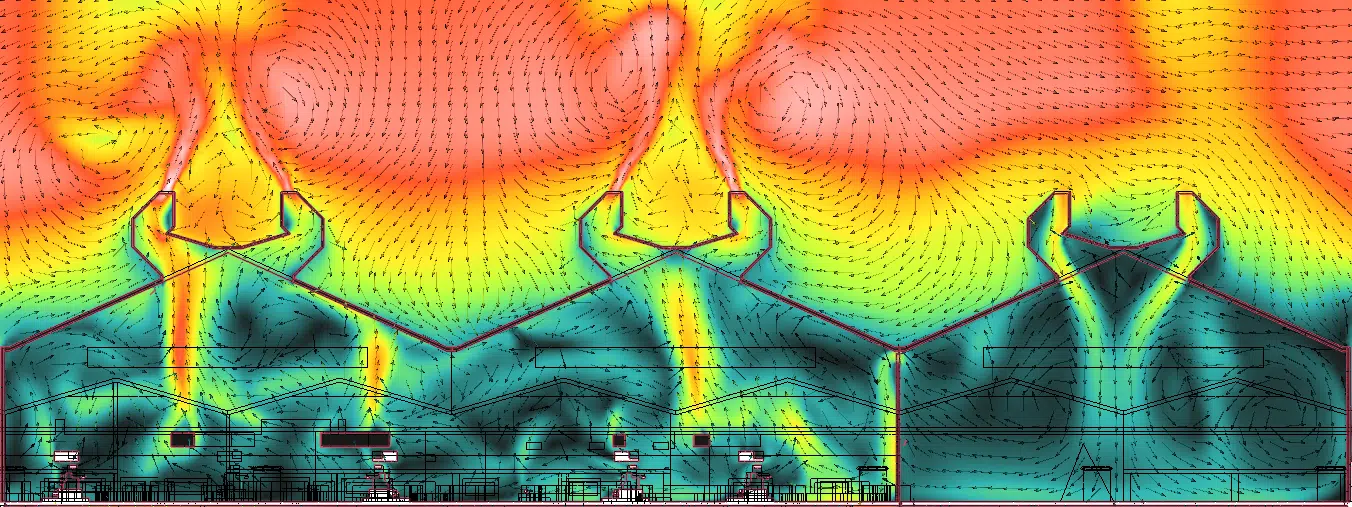 Verallia
Thermal comfort of operators around the forming lines.
View the study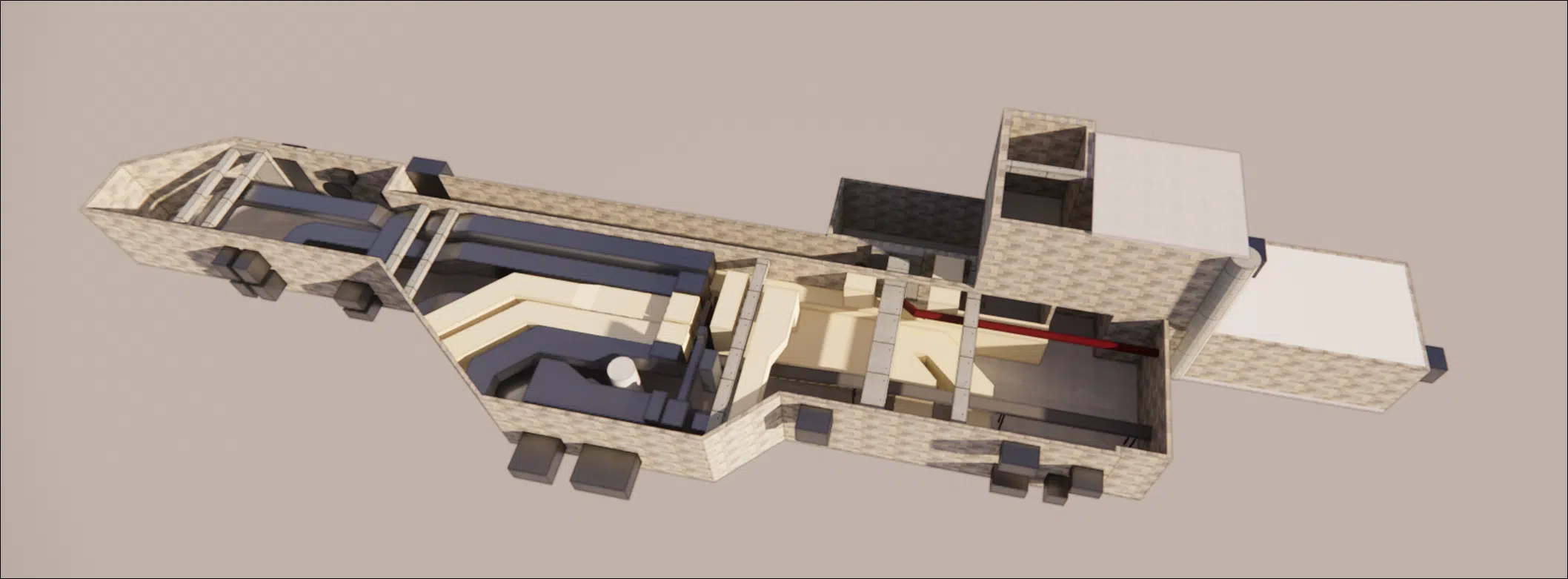 CNIT, Unibail-Rodamco
Reducing the pressure drop of a smoke extraction plenum.
View the study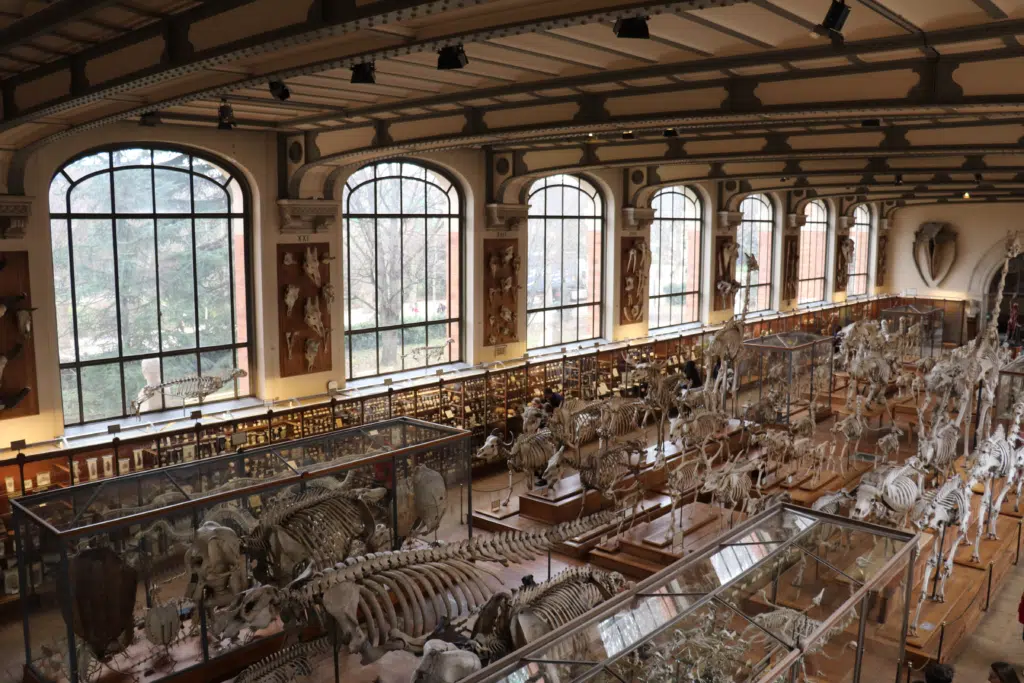 Muséum national d'Histoire naturelle
Palaeontology Gallery: visitor comfort and conservation.
View the study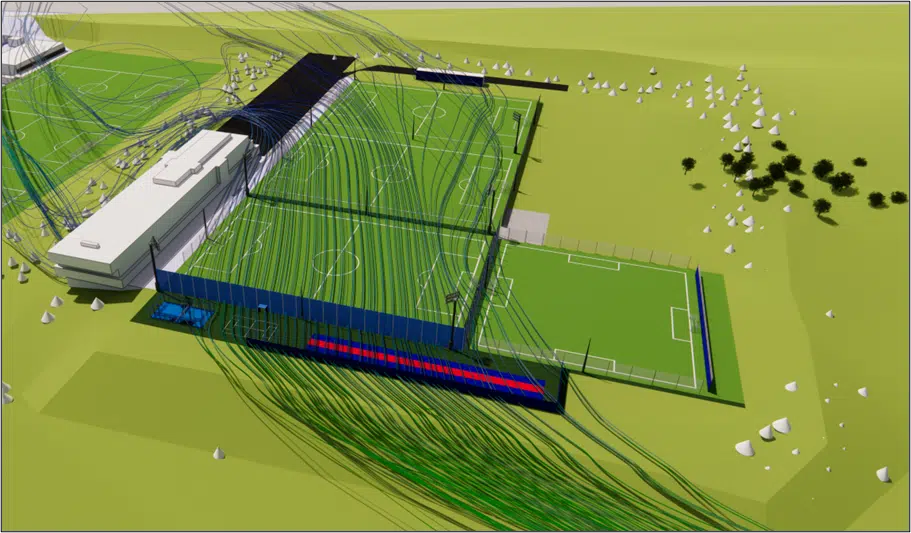 Paris Saint-Germain
Wind comfort of the training centre and its surroundings.
View the study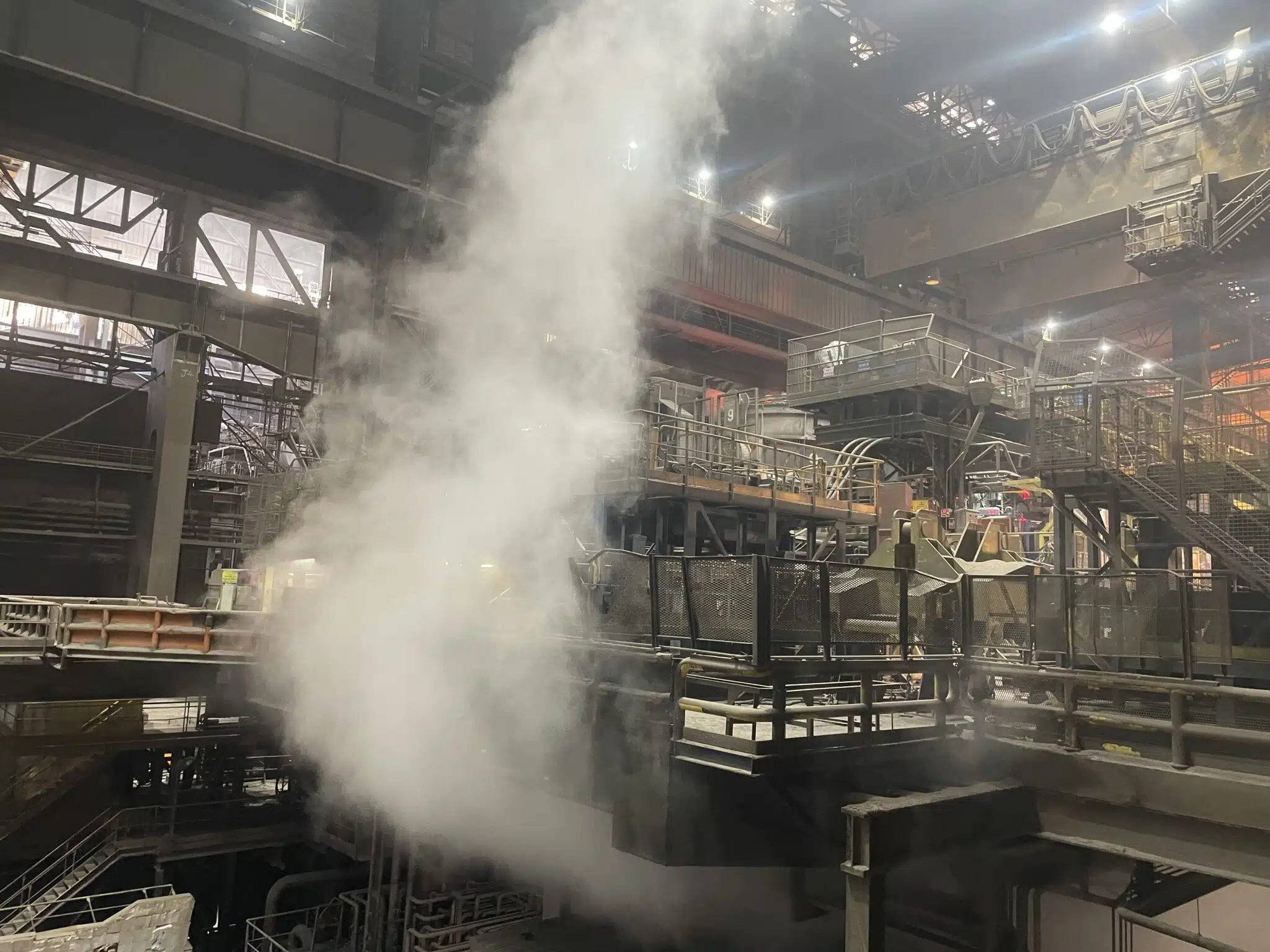 Steelworks, Brandenburg
Capture of saturated vapours above a continuous casting line.
View the study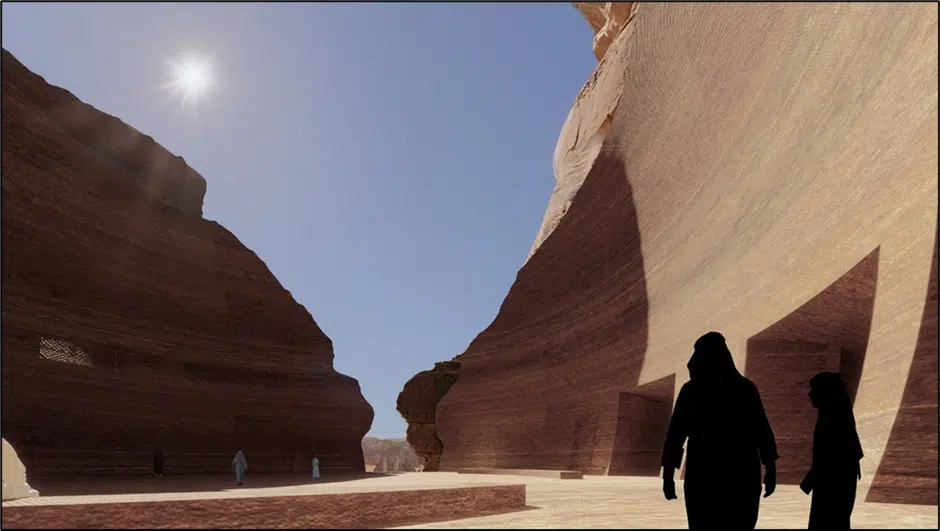 Sharaan, Ateliers Jean Nouvel
Indoor comfort of a rock-cut resort in a desert climate.
View the studyTwenty-four papers to understand the physics and the regulations before you even call us.
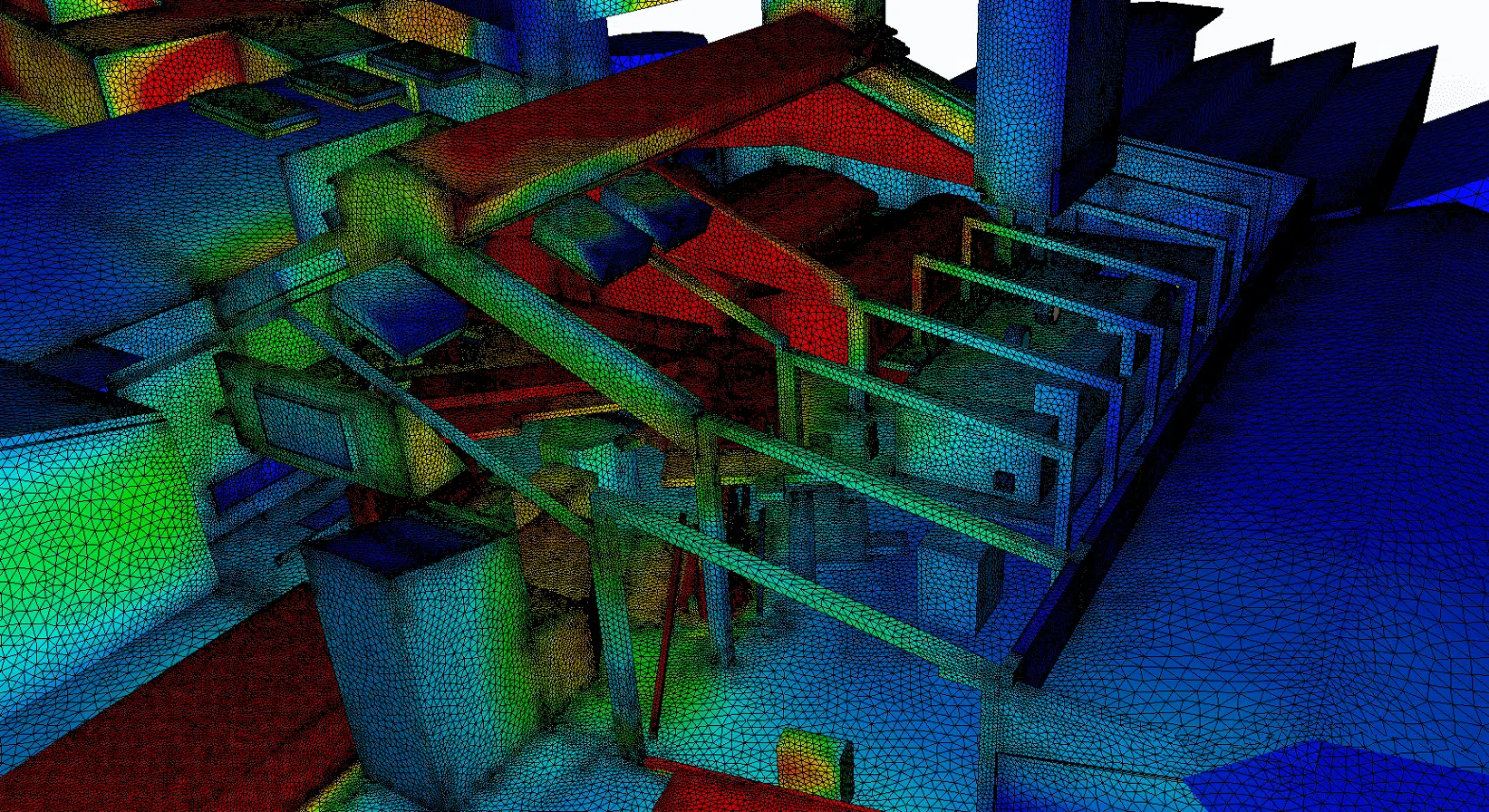 What is CFD simulation?
The equations, the mesh, the turbulence models and what a calculation can really predict.
Read the paper Using CFD for data centers
Why and when to model a data hall, and what simulation changes for PUE.
Read the paper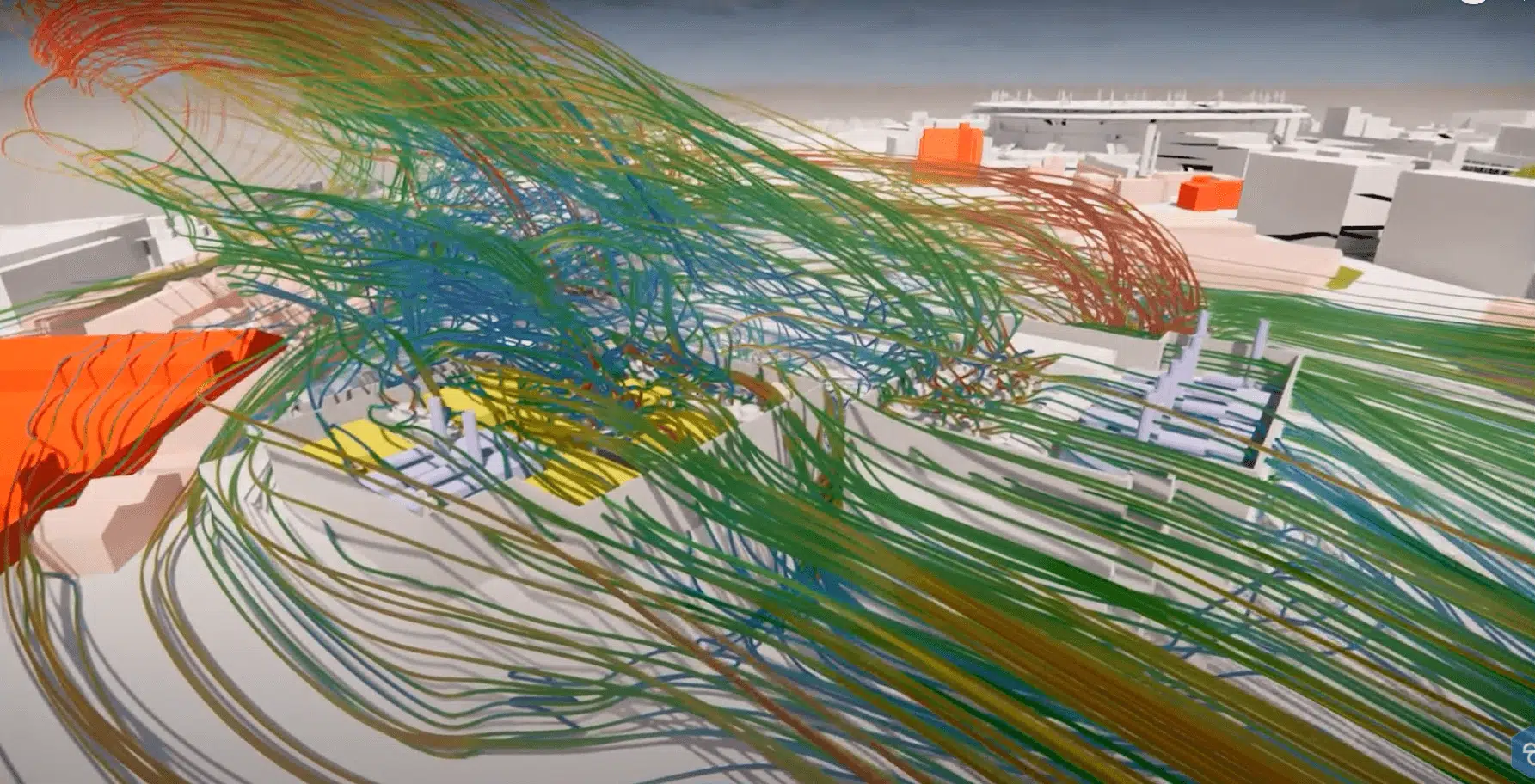 Calculating the PUE of a data center
Calculation method, measurement boundaries and optimisation levers that simulation can verify.
Read the paper Applying the IT 246 guideline
Smoke control in public-access buildings: requirements, engineering cases and classic pitfalls.
Read the paper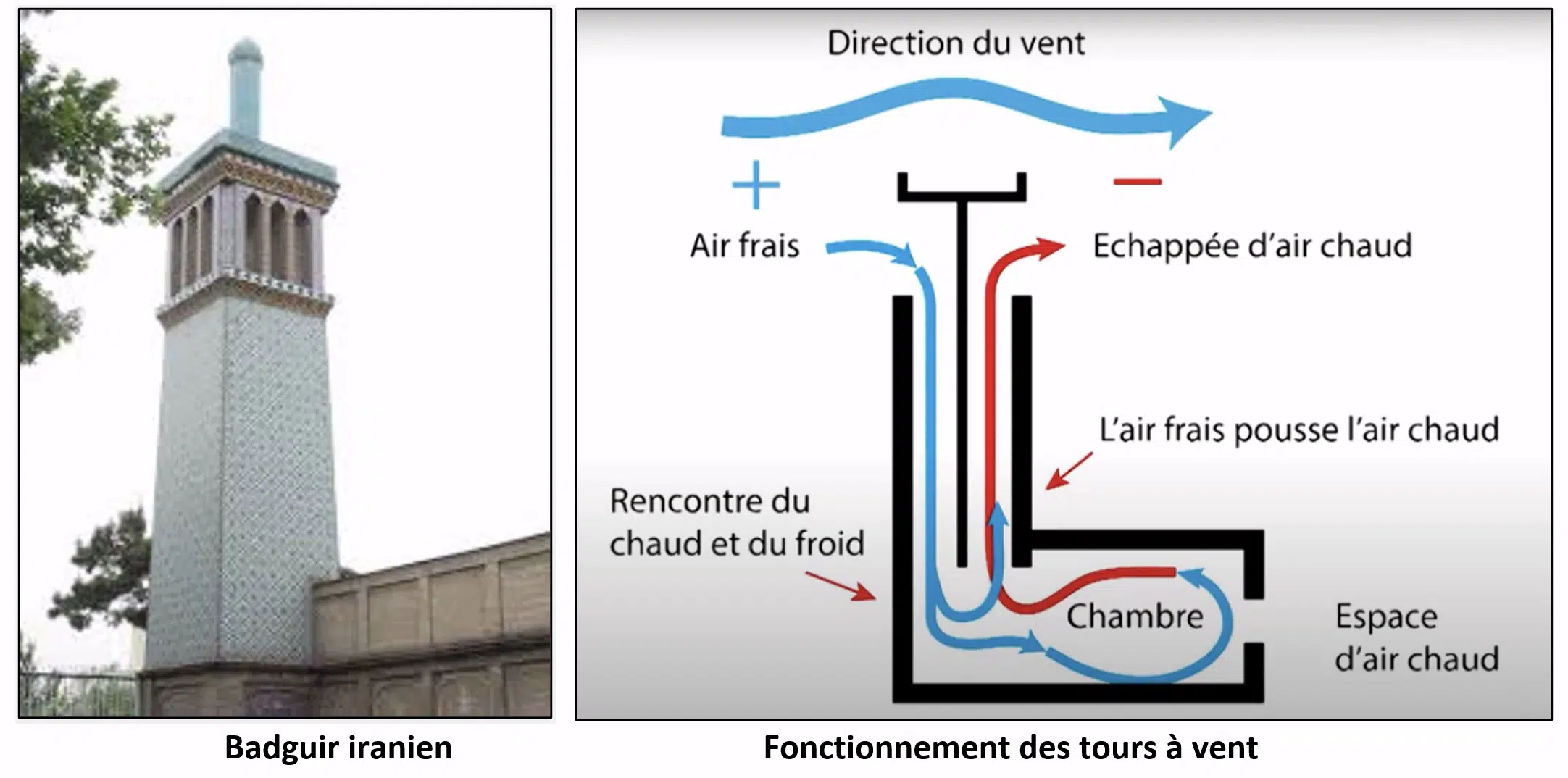 What is natural ventilation?
Thermal draught, wind effect, neutral pressure level and the conditions for going without mechanical ventilation.
Read the paper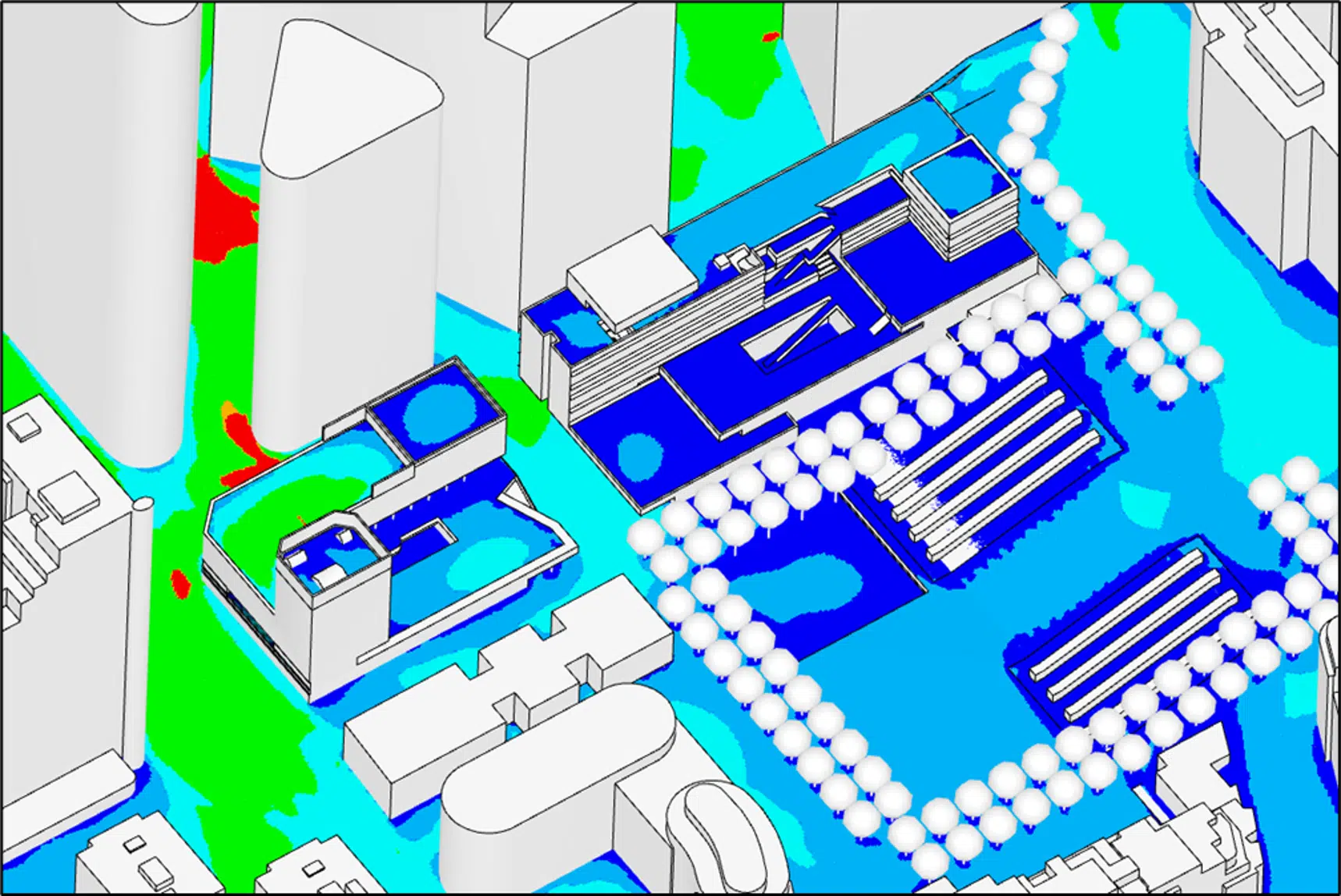 Pedestrian comfort criteria
The wind comfort and safety criteria, and how to map them across an urban project.
Read the paperBased in Paris, our engineers put advanced numerical tools to work towards a simple goal: cutting your costs, saving time and improving the performance of your facilities. We work in France and acrossEurope, from competition stage to commissioning, alongside your design and operations teams.
Our nine offices, from Paris to London, Milan, Munich, Madrid, Warsaw, Amsterdam and Casablanca, and as far as the Middle East and North America, let us come and measure on site, then follow the project over time. You always talk to the engineer who built the model.
Discuss your projectEach domain is held by senior engineers who know the standards of your sector and read a temperature field the way others read a drawing.
On-site measurements, smoke tests, thermography: we validate our models instead of asserting them.
Nine offices, more than twenty countries of intervention. We travel to measure, and to present results to your teams.
Traceable reports, reusable models, videos for your governance bodies: the study stays usable for years after delivery.
Filter by domain to see where we work, and open a project straight from the map.
This map shows only part of our work. A large share of our projects (operator data centers, sensitive industrial sites, buildings still in design) is covered by confidentiality agreements and will never be published. If you cannot find your own case here, just ask: chances are we have already run it.
You are not looking for software, you are looking for a value: an air velocity, a return temperature, a pressure drop. Start from the quantity you care about.
Wind comfort, Eurocode loads, flows around structures.
Φ·02Thermal & comfort°CHeat transfer, thermal and airflow comfort, large volumes.
Φ·03Pressure & networksPaPressure drop, thermal draught, balancing of networks.
Φ·04Pollutants & air qualityppmDispersion of exhausts, indoor and urban air quality.
Φ·05Smoke & fireMWSmoke propagation, smoke control, visibility of escape routes.
Φ·06Particles & dustµmCleanrooms, capture at source, wind erosion.
Φ·07Humidity & condensation%RHPool halls, condensation, protection of glazing.
Φ·08Energy & coolingPUEFree cooling, PUE calculation, optimisation of consumption.
Tell our engineers about your project. You get a first technical reading in reply, not a sales pitch.