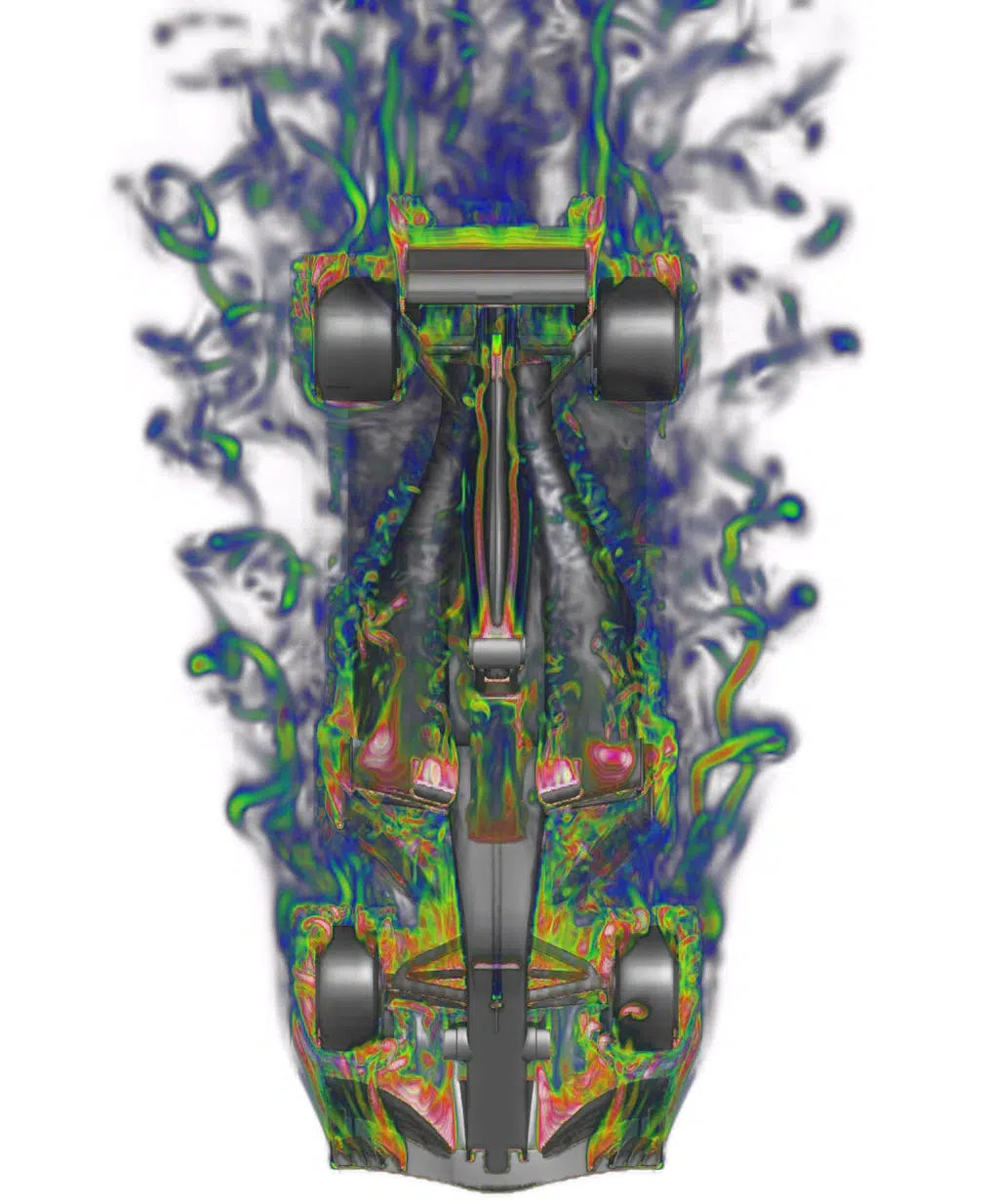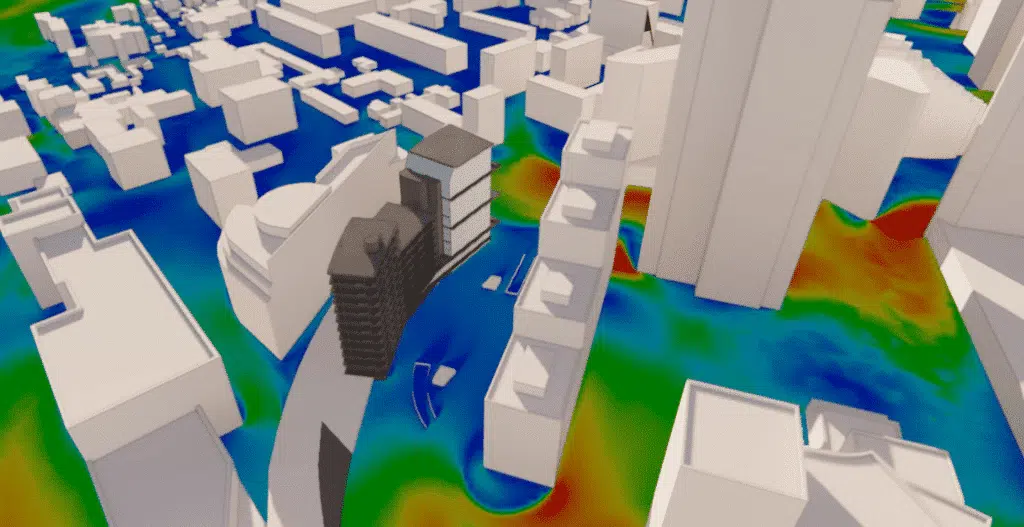
CFD simulation of Formula 1 aerodynamics: the vorticity field, then velocity and pressure planes around a single car, and finally two cars following each other.
Updated on 25 November 2026
In a minute and a half, we see where a car's drag comes from: overpressure at the front, low pressure and vortices at the rear. And why a car following another is held back less by the air.
Click a passage to play it in the player.
This video illustrates our article on CFD simulation of drag, the force that opposes the movement of an object through air. It takes the example of a Formula 1 car, first on its own and then followed by a second car.
Three readings follow one another: the vorticity field, which shows the vortices left by the car, then velocity and pressure planes on a longitudinal section. With two cars, we see the second one driving in the wake of the first.
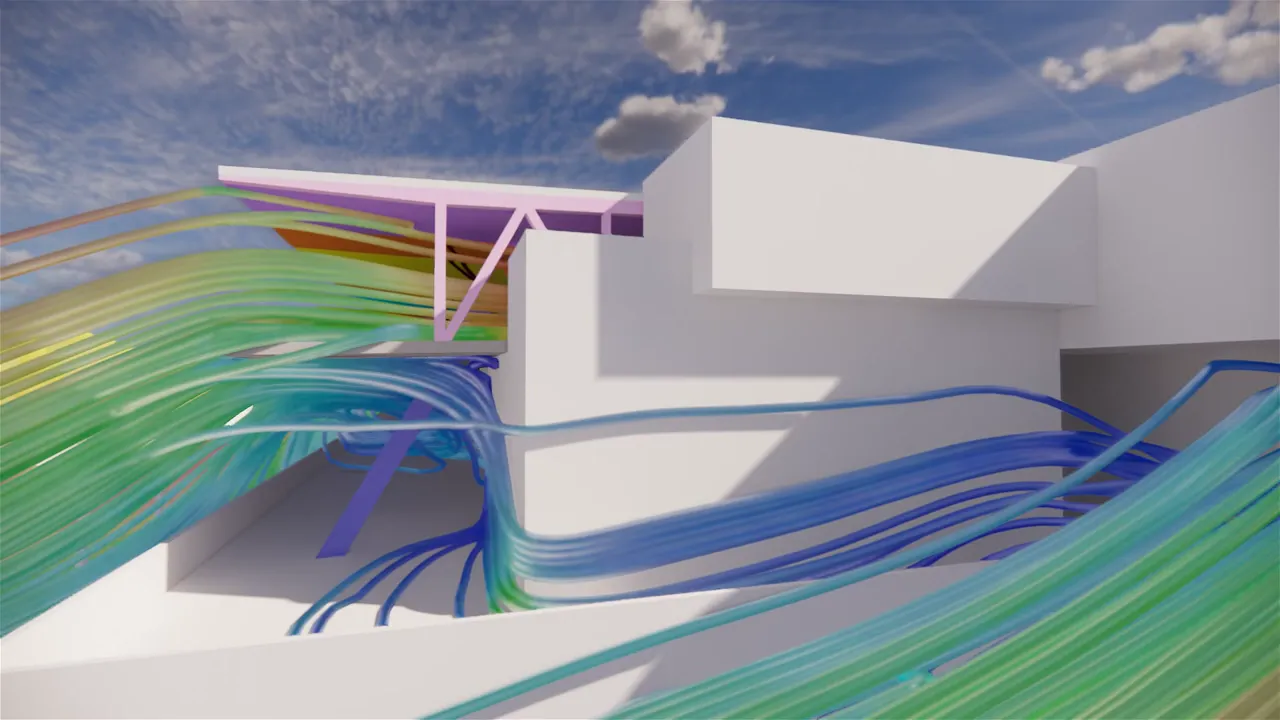
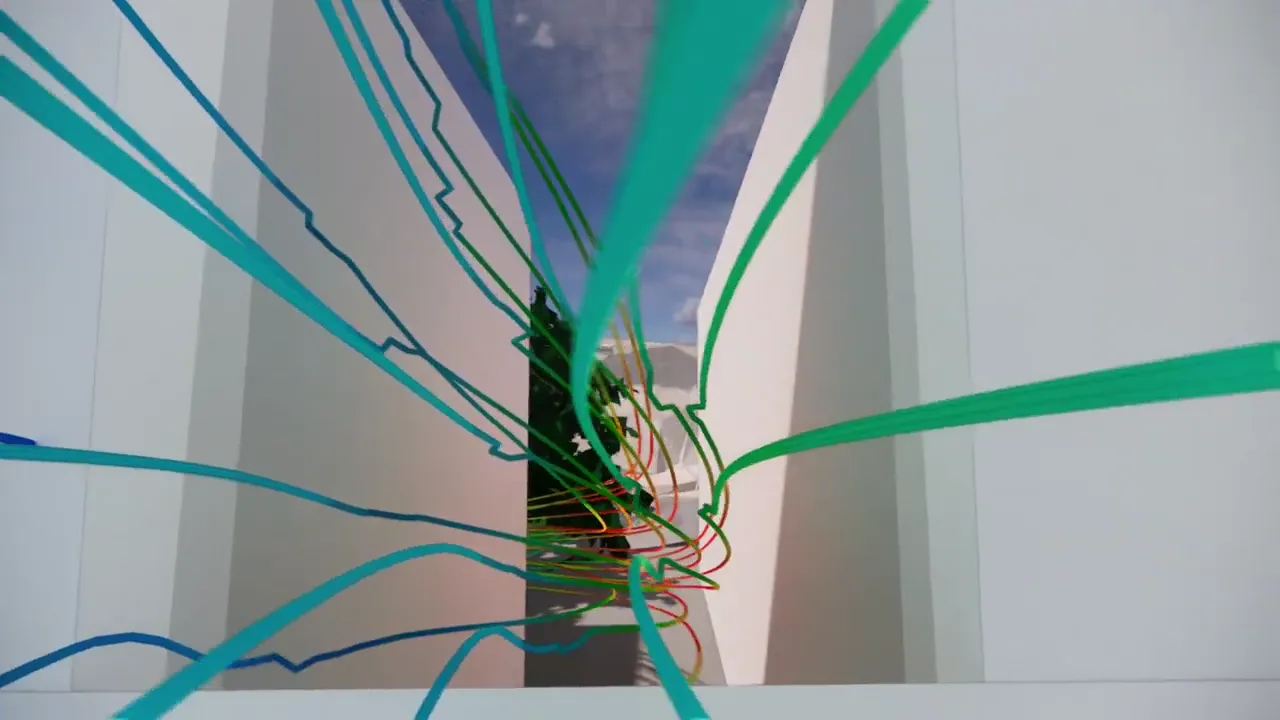
Reducing drag matters in aviation, the automotive industry, board sports and even architecture. The drag coefficient depends on the object's shape, its roughness and the flow conditions.
The resisting force a fluid exerts against the movement of an object. It comes from the friction of air on the surfaces and from the pressure difference between the front and the rear.
CFD simulation makes it possible to calculate these forces and visualise the flow at every point, whereas a wind tunnel requires scale models and point measurements. The Formula 1 example shows how detailed it can be.
View the full study: CFD simulation of dragThe video shows the flow around the cars. The full article explains the drag coefficient, how CFD calculates it and the slipstream effect that benefits the car behind.
View the study results: CFD simulation of dragThe video, vorticity and the drag of a Formula 1 car.
A CFD simulation of a Formula 1 car: the vorticity field, then velocity and pressure planes, first for a single car, then for two cars following each other.
It is a measure of the rotation of air. Areas of high vorticity are the vortices shedding from the wings, the wheels and the rear of the car.
The car behind drives in the wake of the first, where the air is already moving. It experiences less drag: this is the slipstream effect.
They show the overpressure in front of the car and the low pressure behind it. This pressure difference creates a large part of the drag.
The drag coefficient, how it is calculated and the slipstream effect are explained in the full article on drag simulation.
Explore our expertise, projects and technical papers to go further than the FAQ.
The simplest thing is to talk it through together. Our engineers reply with an initial technical read.