Sizing the control des stores
EOLIOS brings its experience in urban and large-structure aeraulics to offer effective control of blinds — decisive for preserving outdoor awning blinds.
Anemometers
- Study of anemometer positioning
- Site audit with a handheld anemometer
Control
- Design of the control laws for blinds
- Control of assisted natural ventilation
Simulation
- Numerical modelling of extreme winds
- Fine aeraulic studies of site effects
The awning blind is an effective protection against the sun. The blinds are motorised and controlled from anemometers, which trigger the automatic retraction of the blinds as soon as a wind threshold is exceeded.
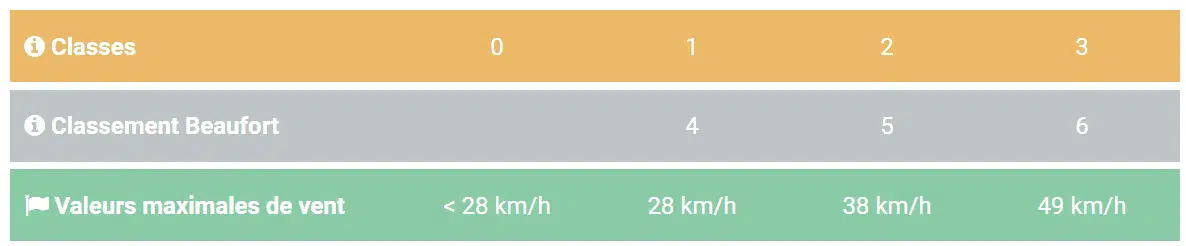
The European standard 89/106/EEC “Construction Products” specifies the performance requirements that outdoor blinds fitted to buildings must meet. It requires stating the wind speed the awning blind can withstand. A classification into four classes was established so that the consumer can easily tell them apart: each class corresponds to a maximum wind value, given in Beaufort or in km/h.
The Beaufort scale
The Beaufort scale is an empirical measurement scale, with 13 degrees (from 0 to 12), of the mean wind speed over a ten-minute period, used in maritime settings.
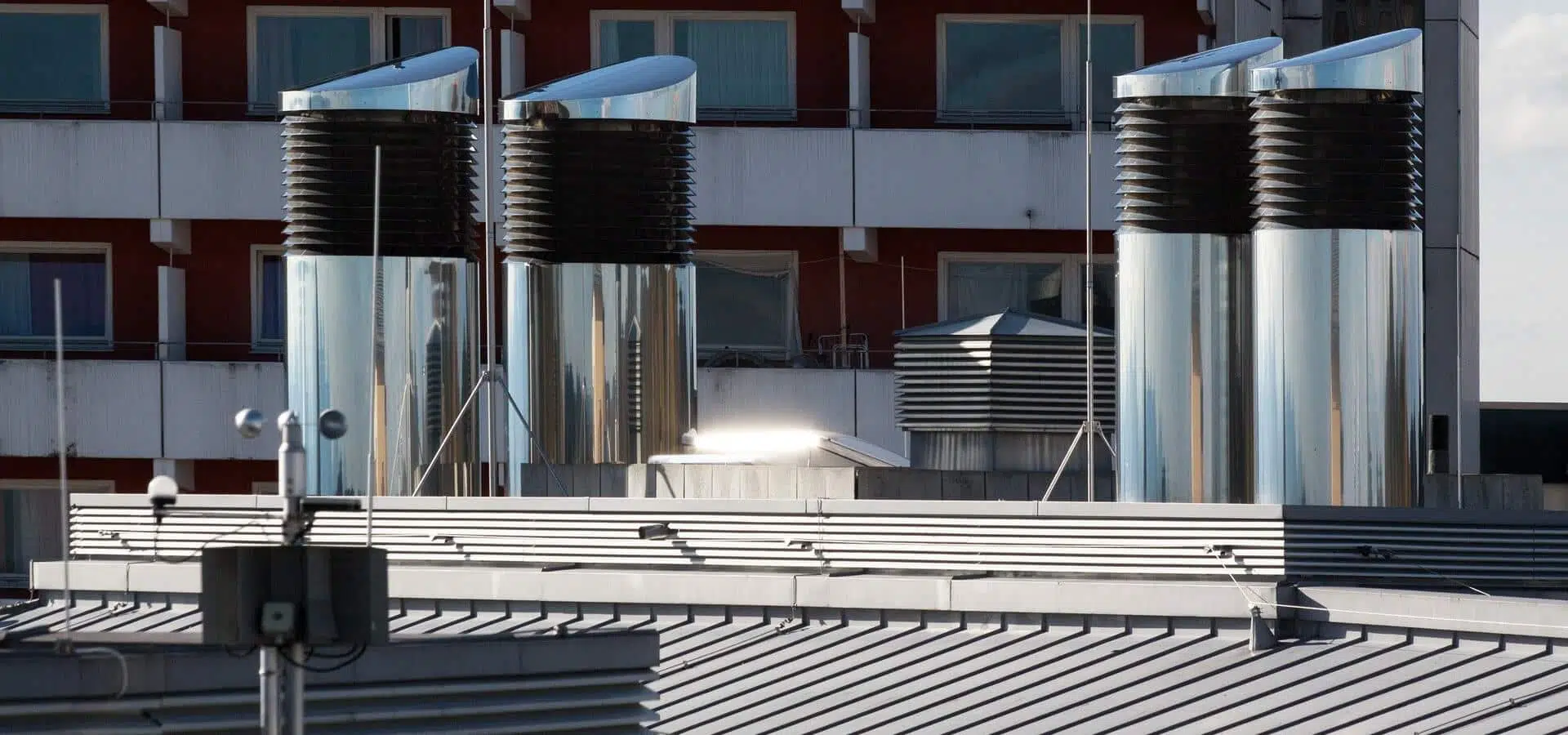
An anemometer continuously analyses the wind intensity. As soon as the tolerance threshold is exceeded, the blind retracts automatically. It is essential to choose an environment free of obstacles and aeraulic disturbance to obtain accurate data.
Analysis of correlated wind speeds
As one might expect, the wind measured at the anemometers is not consistent with the wind reaching the blinds, which can lead to their premature destruction.
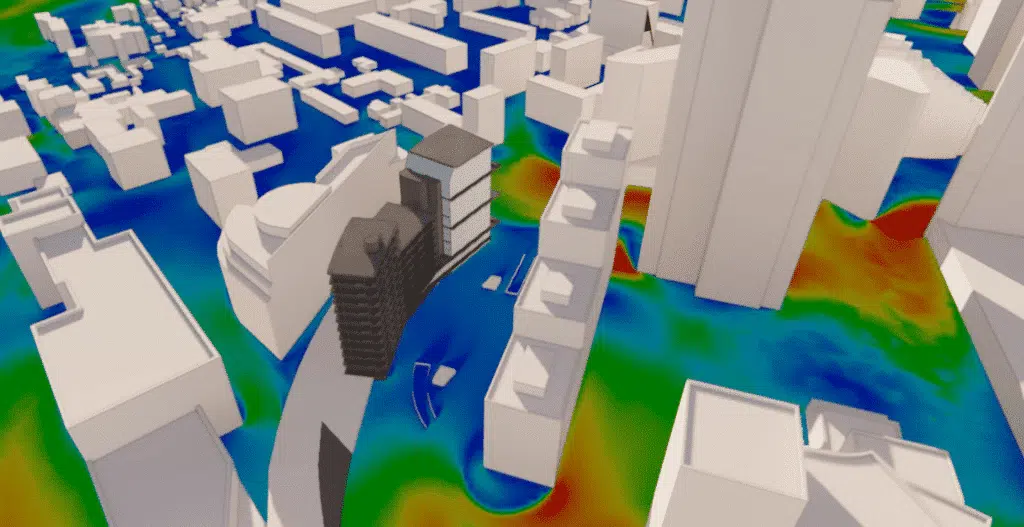
Indeed, wind speeds are specific to each point of the building's roof and façades: the air speeds at the anemometers are not necessarily correlated with the speeds at the façade, where the blinds are. Local phenomena change the distribution of the flows and can disrupt the operation of the measurement systems.
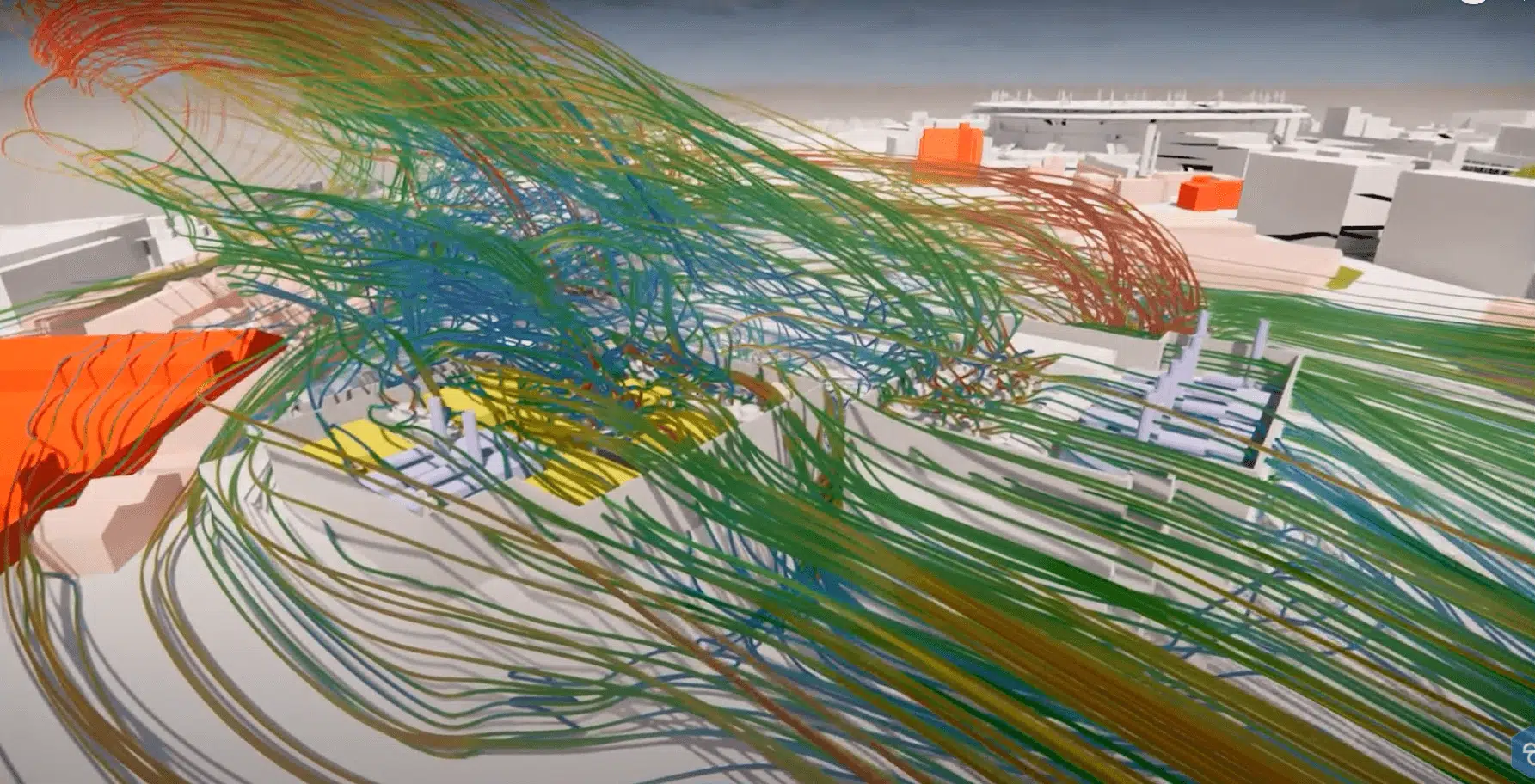
Our studies take into account all the geometric details needed to solve the problems. Several scale levels — building (district), terrace (zone), windbreak (specific elements) — are refined separately so as to increase the resolution in the study areas. Analysis tables set out the wind-speed profiles at the blinds or in critical zones, compared with the anemometer's measurement point:
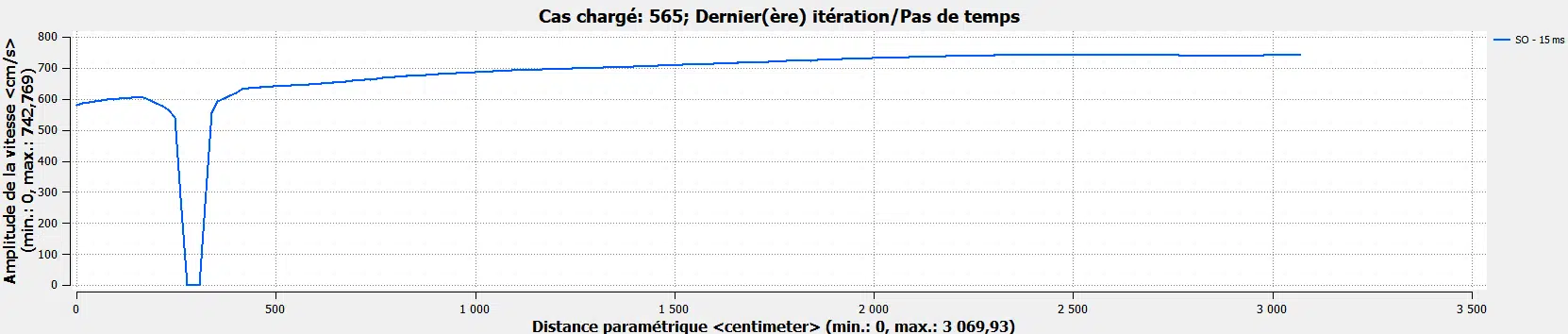
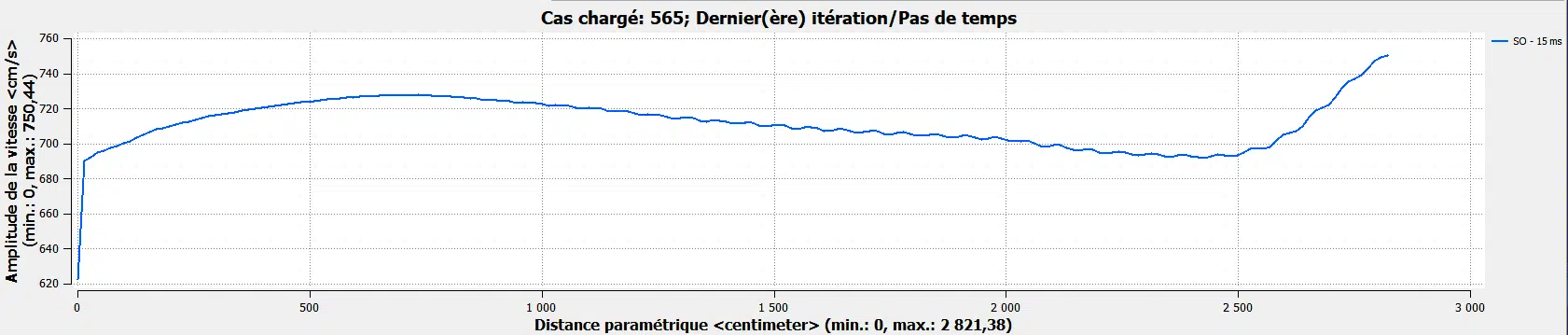
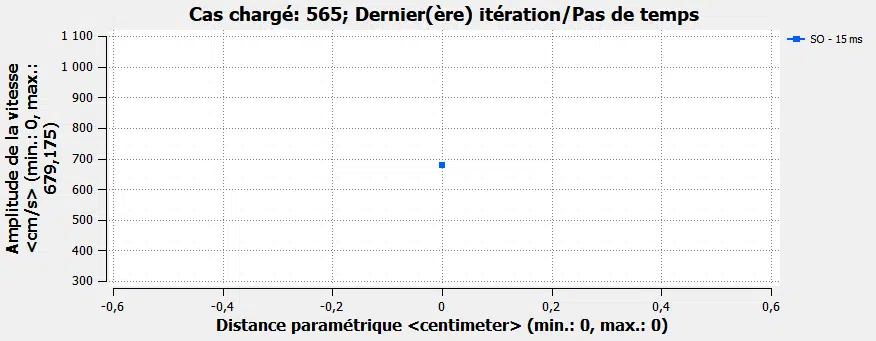
Based on the results of the analyses and the final placement of the anemometers, a reprogramming law is proposed, taking into account the winds most unfavourable to the blinds.
On-site wind measurement
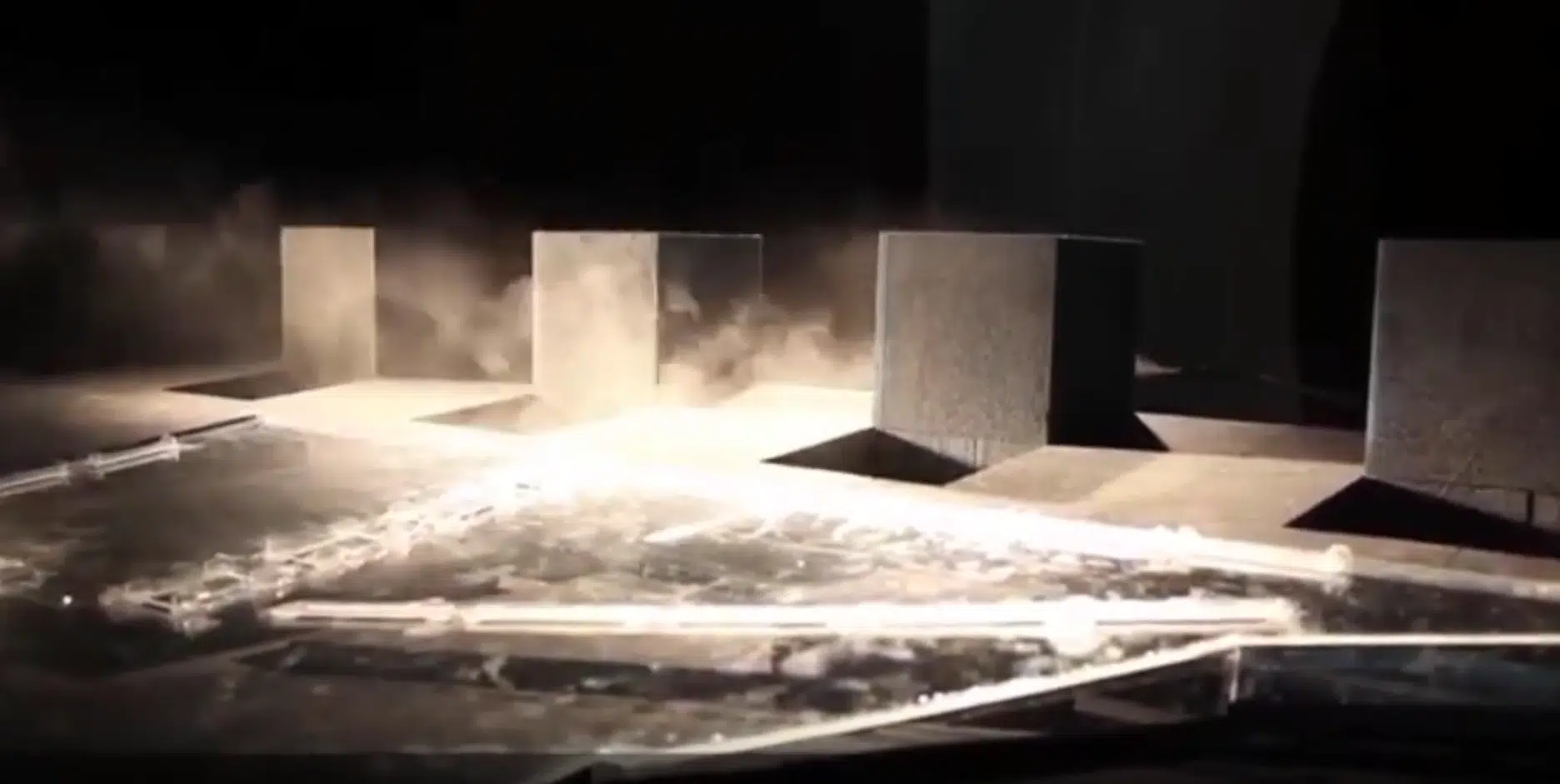
We can carry out smoke tests to understand and locate the specific wind paths at the blinds and the anemometers (terrace and roof area). We then produce a series of diagrams explaining the broad lines of the wind on site, the specific aeraulics floor by floor and the behaviour of the anemometers in relation to the blinds. These smoke analyses are delivered as videos, so that the operator gains a general understanding of the impact of wind on the building (for a single wind) in relation to the anemometers. The blinds subject to the most critical tearing are identified.
In parallel, we take handheld-anemometer measurements at the blinds and the anemometers, so that the operator can study the feedback from the BMS and understand more precisely the aeraulic effects in the physically accessible zones. The position of each anemometer is audited and the site effects are explained; simultaneous anemometer readings make it possible to determine the scale factors between accessible blind zones and anemometer zones.
EOLIOS generally visits the site twice for two similar audits, under different winds. These audits are dependent on the weather conditions and can only be planned 48 hours in advance; if safety conditions allow, EOLIOS's engineers can work autonomously. Beyond a simple measurement report, EOLIOS recommends changing the location of the anemometers and warns the operator if a new position could involve wind directions for which its results would become obsolete.
This campaign of measurements and analyses makes it possible to optimise the operation of the anemometers, but cannot be exhaustive — only accessible zones can be studied. In this context we offer, as an option, numerical studies that provide a finer understanding of the aeraulic phenomena.
Expertise: measurement and simulation of pedestrian comfort in urban environments