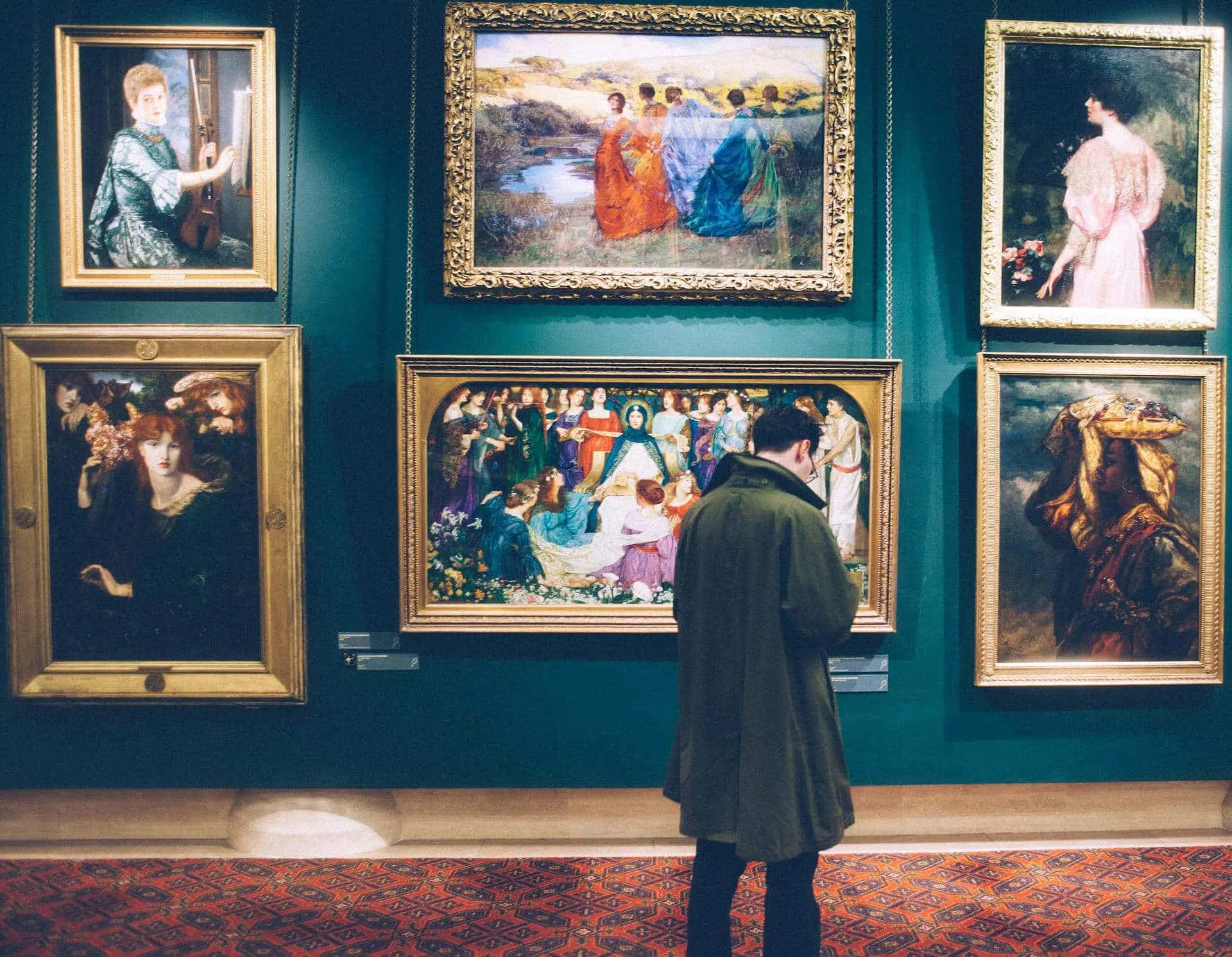
Designing the climate control of museums and private collections
The key lies in "preventive protection": effectively monitoring the conservation environment of artworks to achieve a stable environment, at constant temperature and humidity, and clean, limiting dust.
Climate validation
- Validation of climate conditions
- Encapsulation of works under display cases
- Surface & internal temperature rise
- Impact of door openings & transfers
Usage studies
- Study of climate variations
- Impact of temporary exhibitions
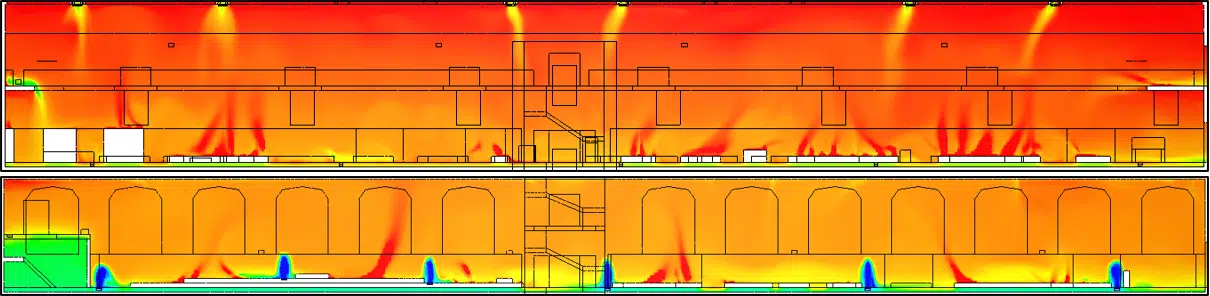
- Airflow distribution & cooling efficiency
- A passionate team
Risk & audit
- Critical climate-risk study
- Climate audit of exhibition halls
- Impact of dust & relative humidity
- Artwork transport assistance
Climate control for the preservation of works
Protecting artworks is complex and delicate. Exhibiting and storing works is made complex by their rarity, their extremely precious nature and their almost equally high sensitivity to the impact of air. Some historic works reach us today — inscriptions, building fragments, tools, coins, everyday utensils and various artworks — precisely because they were generally stored in a particular way (buried…), or even discovered recently, which allowed them to survive those "many years" and reach us.
What is the impact of air on the works?
The specific effects are generally as follows:
- Corrosive pollution caused by impure ambient air (pollution);
- Physical damage caused by low or high ambient temperature and humidity;
- Irreversible, permanent damage caused by large fluctuations in the temperature and humidity of the ambient air.
Consequently, whether it is a museum, a temporary exhibition room, a personal or private art collection, the storage environment must be strictly controlled to provide an optimal environment. Whatever method is used, the temperature and humidity of the ambient air must be adjusted according to the different storage requirements of the collection.
Combining the impact of the public and the preservation of works
It is difficult to reconcile visitor thermal comfort with the preservation of the works: just as people need an appropriate temperature and good air quality, artworks need a specific environment to be preserved intact.
For museums, the air-conditioning temperature is not chosen at random by the HVAC manager, and the control of the environment is generally not done for the well-being of tourists. Although this answer may seem obvious, defining the temperature is complicated, because works of different textures, materials and years of creation may have different temperature requirements.
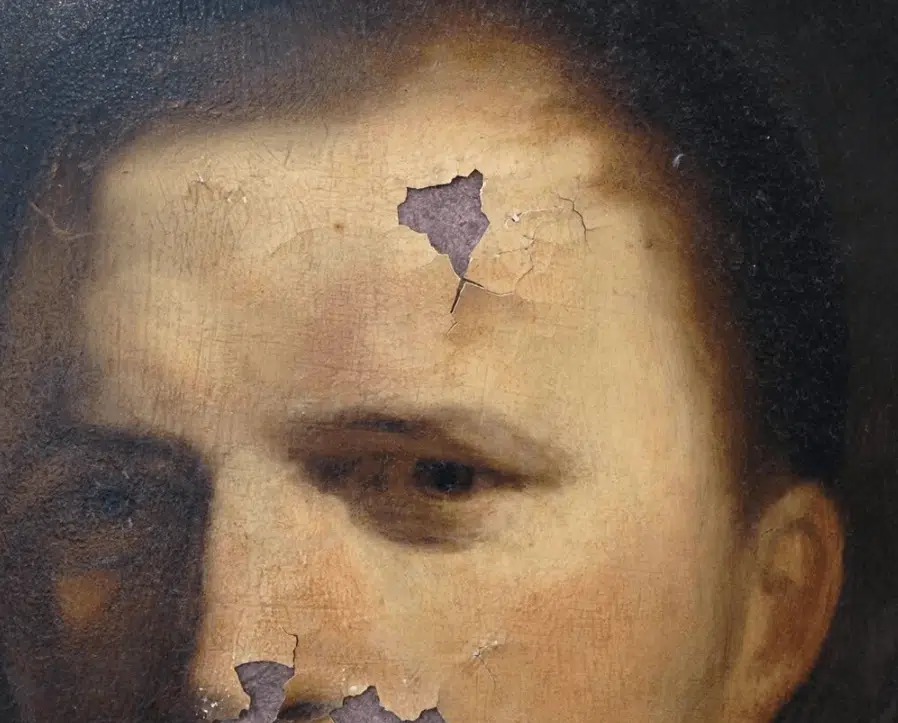
Because of the protection requirements of these historic works, the temperature in exhibition halls can be controlled at 18 °C–22 °C all year round, or the works placed in a climate-controlled display case. Maintaining good climate conditions in museums therefore proves complex.
Different climate environments for each work
Specific conditions to maintain
For example, natural fibres such as wood, paper, cotton, linen and silk, commonly used in old paintings and calligraphy, generally have stricter temperature requirements. A high temperature can cause condensation and swelling of the work, while a low temperature can cause cracking of the material, craquelure or wrinkling.
In contemporary art, some conceptual and experimental works are recycled or destroyed according to the artist's ideas after being exhibited: temperature control is then not necessary. Others rely directly on the air movements of the exhibition room to transcend these air flows, these systems generally being concealed.
Relative-humidity management
In addition to temperature, relative humidity (RH) has a very significant impact on the collection, in particular the specific humidity in an area of the space. If the RH is too high, fungi and mould can develop; linen and silk fabrics discolour easily; metal works such as copper and iron are prone to rust or corrosion. If the RH is too low, oil paint mounted on wooden frames can develop surface cracks due to the warping of the support board.
Since temperature drives changes in relative humidity, the international temperature and humidity standards for museums and art galleries are generally set according to precise criteria. Overall, the indoor relative humidity should be between 45% and 55%, with a tolerated deviation of 5% (i.e. preferably between 40% and 60%); the temperature range should be between 18 °C and 22 °C. Finer parameters may be required depending on the works.
These values are, of course, not absolute: some works must be adjusted according to the real situation through monitoring, and the storage-condition requirements of loaned works must be finalized after consulting the curators.
Daily temperature oscillation & the impact of dust
Another very important point is to minimize abrupt fluctuations in these parameters. Regardless of temperature and humidity, a sudden increase or decrease can cause irreversible damage to the collections.
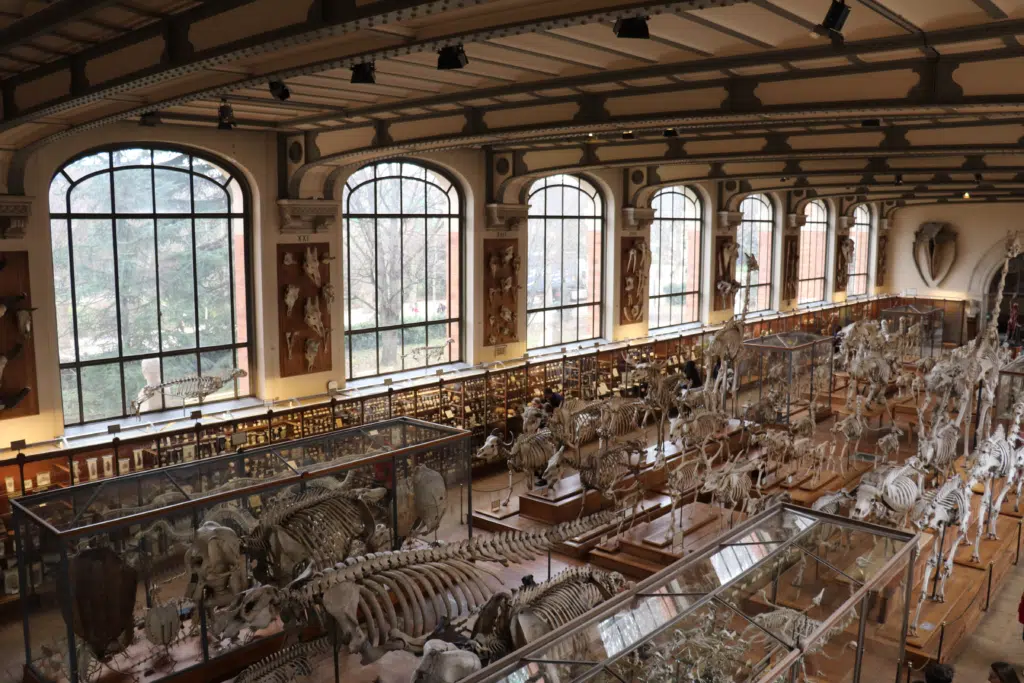
Thermal inertia is generally better in old buildings, and climate stability is easier to control there with light means than in recent buildings with a lot of glazing.
A room opening onto the outdoors will be subject to large climate variations and should be preceded by an airlock. For any type of building, doors or windows should never be opened carelessly when the outdoor and indoor ambient conditions are very different. CFD simulation makes it possible to analyse the impact of opening exterior doors when installing new works. The influence of temporary exhibitions with an over-density of visitors must also be taken into account in the use of the halls.
The impact of dust
Ambient air carries gases, dust and micro-organisms that settle on and within the works. Dust consists of extremely penetrating particles, the cause of much degradation. In the open air, it is difficult, even impossible, to remove the dust generated by material degradation and carried by visitors. Here, it is the stability of the air movements that matters.
Over time, dust settles in the various dead zones of the gallery; yet setting the air in motion by creating draughts (a door opening, for example) is liable to dislodge the dust layers that are inaccessible to maintenance and accumulated over time, thereby encouraging the pollution of the works.
Optimizing climate parameters through CFD simulation
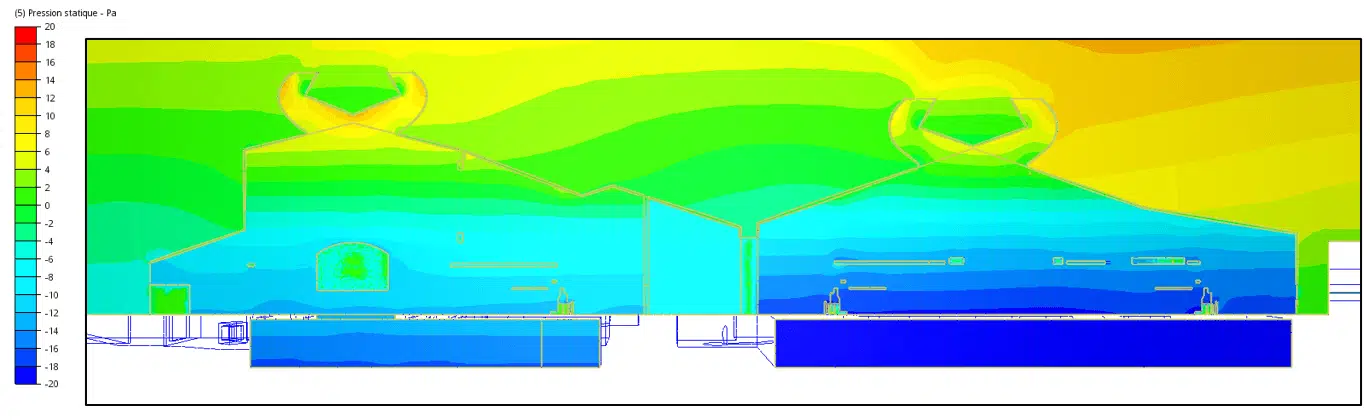
We study the implementation of the climate conditions as a whole in order to guarantee the optimal preservation of artworks. We carry out CFD simulations so as to inform curators of the various impacts caused by the drifts of poor climate control.
Expertise: climatic comfort optimization — glass roofs and atriums