Verify, validate and optimise your air-distribution systems
EOLIOS verifies, validates and optimises air-distribution systems to reduce the risk of indoor viral transmission, combining medical expertise and fluid mechanics.
Assess
- Pulmonologist / airflow-engineer team
- Audit against labour law
- Risques de propagation du virus
Model
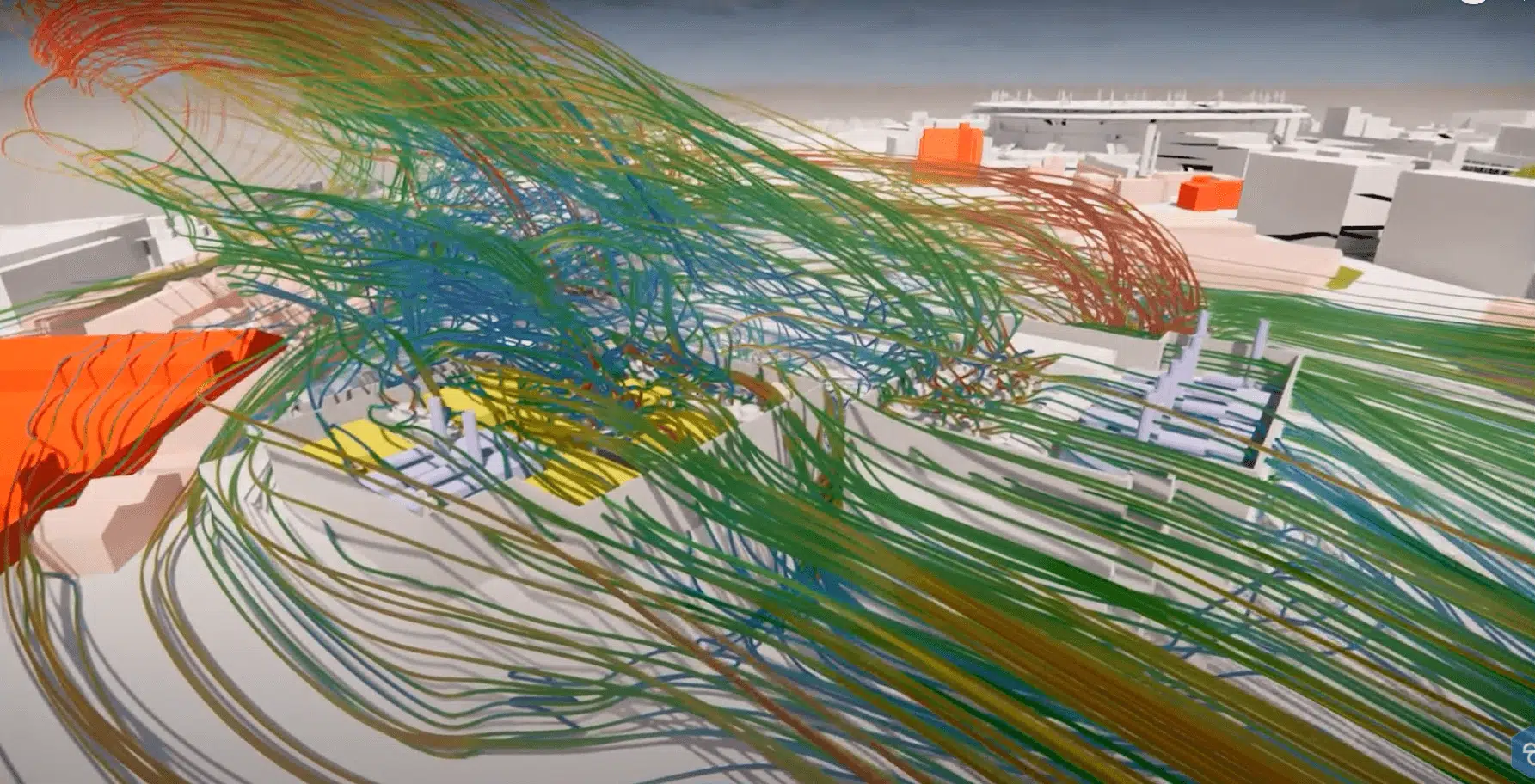
- Modelling of air movements
- Diffusion of droplets & aerosols
- Effect of airflow on infection
Protect
- Implementation of filtration systems
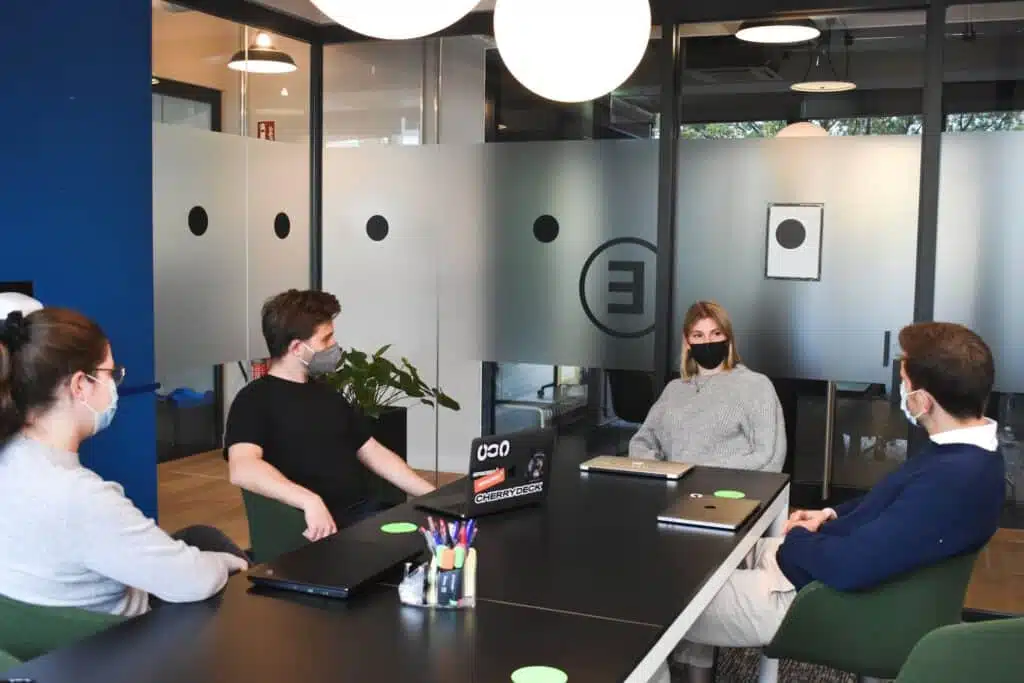
- Support in setting up a COVID protocol
- Reduction of the contamination risk
Simulation for understanding
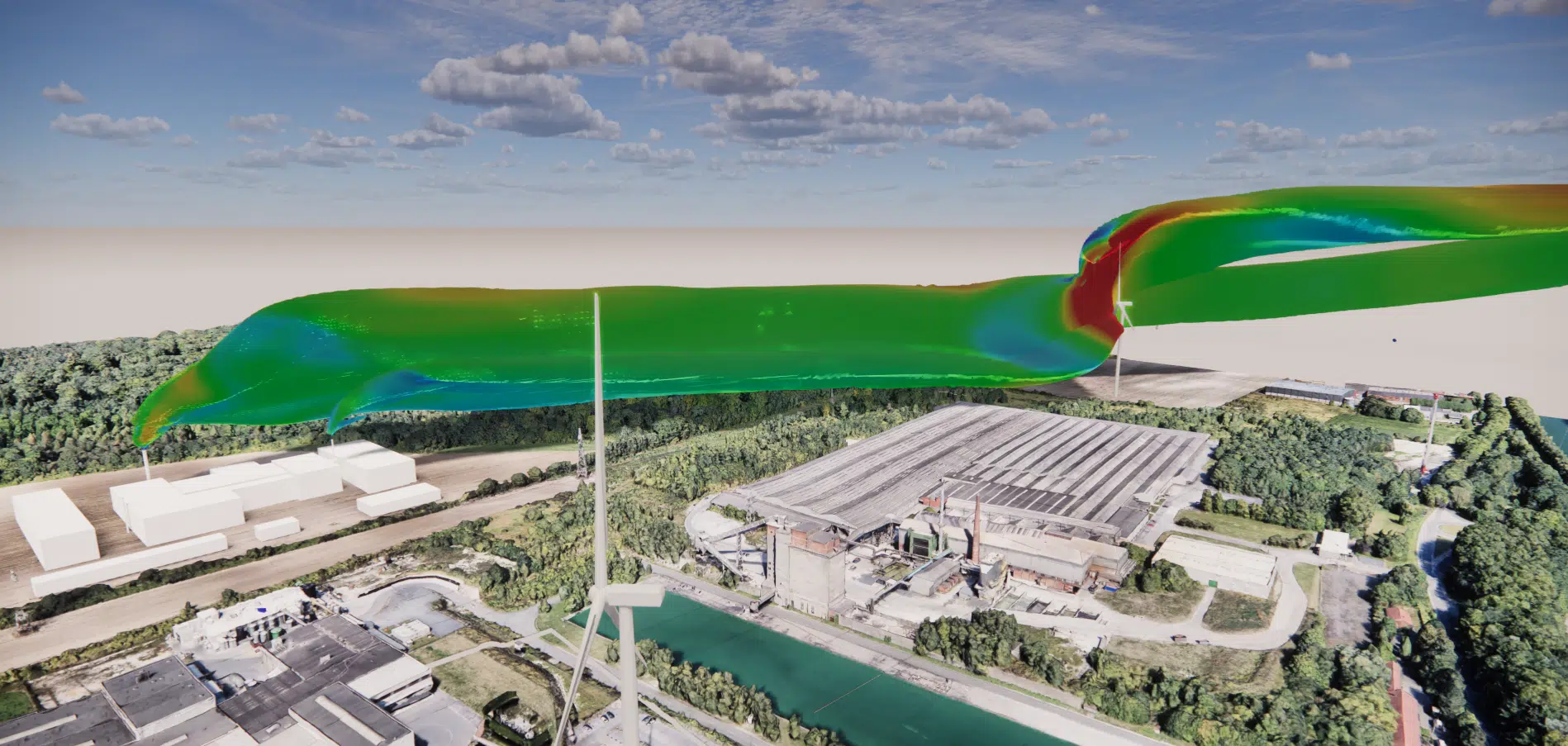
Fluid motion, structural deformation, heat transport, chemical reactions, sound propagation: these familiar phenomena often occur affecting one another and form extremely complex problems. It is therefore academically and industrially relevant to use simulations to elucidate the mechanism and study performance. Beyond conventional fluid simulations, we develop numerical analysis methods to simulate complex physical phenomena in sensitive environments, and publish our results academically.
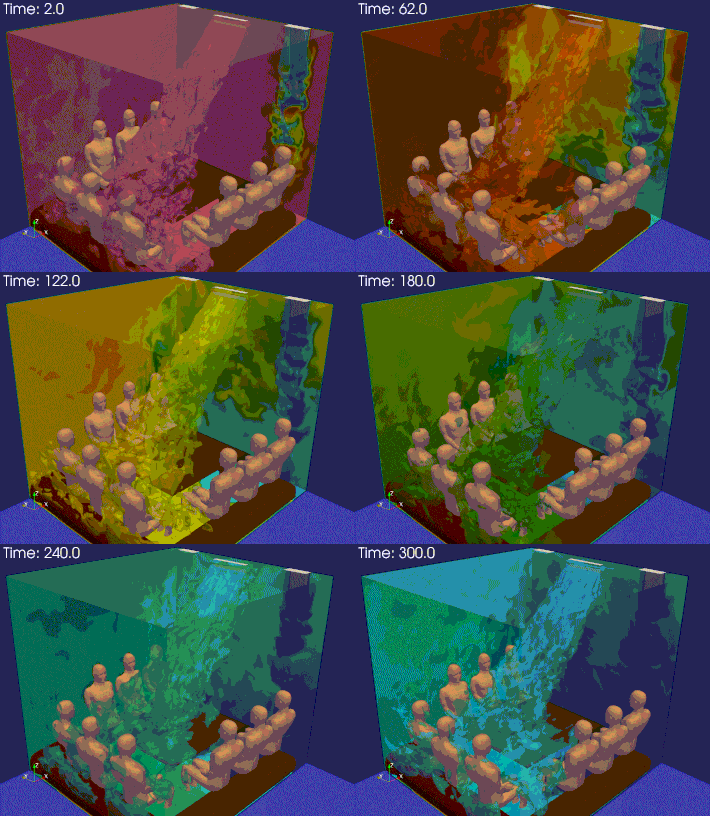
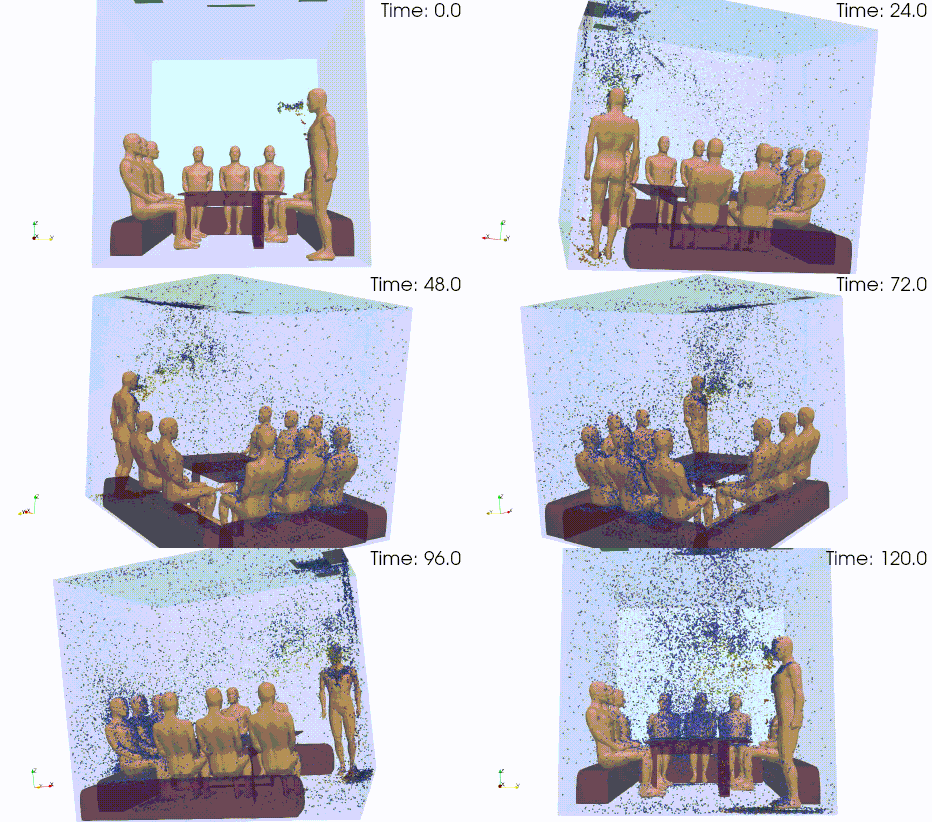
Simulate the spread of COVID and other viruses
Droplet infection is one of the transmission routes of viral diseases such as COVID-19. Since it is not possible to visually observe the spread of droplets, carriers can contaminate those around them: appropriate measures are therefore needed. In addition, aerosols of 5 µm or less float in the air over a longer distance and time, and call for measures distinct from large droplets.
To fight droplet infection, the diffusion process of droplets and aerosols must be correctly predicted and the effect of airflow on infection estimated. We carry out computational fluid dynamics simulations and, beyond analysing the results, we consider measures to reduce the infection risk.
Auditing Covid protocols
We audit the Covid protocols of large groups in order to assess the solutions implemented and evaluate the contamination risks. We study the existing air-handling systems — filtration level, real air flow rate, control — with regard to the labour law and the aerosol-spread phenomena.
Site audit
We carry out site audits in order to verify the compliance of workspaces and improve the comfort of staff. On-site measurements, analysis of the installations and concrete recommendations: the audit links the performance of the air-handling systems to the control of the health risk.
Know-how: indoor air quality study