

Data center study – Data Hall and UPS premises
Data center study - Data Hall and UPS premises
Year
2025
Customer
NC
Location
Italy
Typology
Data Center
Home » Data Center » Designing your data center’s digital twin » Data center study – Data Hall and UPS premises
EOLIOS ingénierie's mission: CFD simulation and cooling expertise
Eolios engineers are experts in heat dissipation for data centers
Eolios engineers are experts in heat dissipation for data centers.
EOLIOS’ expertise in CFD(Computational Fluid Dynamics) simulation and cooling system optimization played a crucial role in solving the external thermo-aerodynamic challenge of the PAR5 and PAR6 data centers.
Our know-how has enabled us to anticipate thermal looping phenomena on roofs and validate the impact of generators, guaranteeing optimum performance and efficient, sustainable thermal management for these complex infrastructures.
EOLIOS is a leader in external CFD simulation for Data Centers. Our studies are based on feedback from measurement campaigns in real-life conditions and from a hundred or so simulated sites around the world.
Datacenters PAR5 & PAR6: a revolution in data hosting and management
The goal for data centers: thermal optimization and resilience
The impact of thermal plumes outside the building is difficult to predict due to the various variables that design engineers and architects are unable to control. These variables include wind speed, air temperature, wind direction (analyzed via the local wind rose ) and the topology of surrounding structures.
However, these recirculation phenomena (or thermal looping) have a direct impact on the performance of rooftop cooling equipment.
EOLIOS can help you study the impact of these aeraulic problems to ensure optimal operation in all circumstances, even the most extreme(unfavorable wind scenarios or breakdowns).
Key properties of PAR5 & PAR6: high density, resilience and energy efficiency
On this site, this includes the use of large networks ofair coolers and optimizedhydraulic engineering(buffer tanks), aimed at guaranteeingsustainable heat removal and optimizing operating costs. Flexibility and safety are at the heart of the PAR5 and PAR6 design.
On this site, this includes the use of large networks ofair coolers and optimizedhydraulic engineering(buffer tanks), aimed at guaranteeingsustainable heat removal and optimizing operating costs. Flexibility and safety are at the heart of the PAR5 and PAR6 design.
These data centers are designed with a redundant infrastructure(N+1 and N modes) to maintain cooling in the face ofcontingencies. This highly secure framework not only simplifies maintenance, but also ensures continuous operation, even in the event of a power cut(blackout), thanks to the activation of emergency generators and UPS facilities.
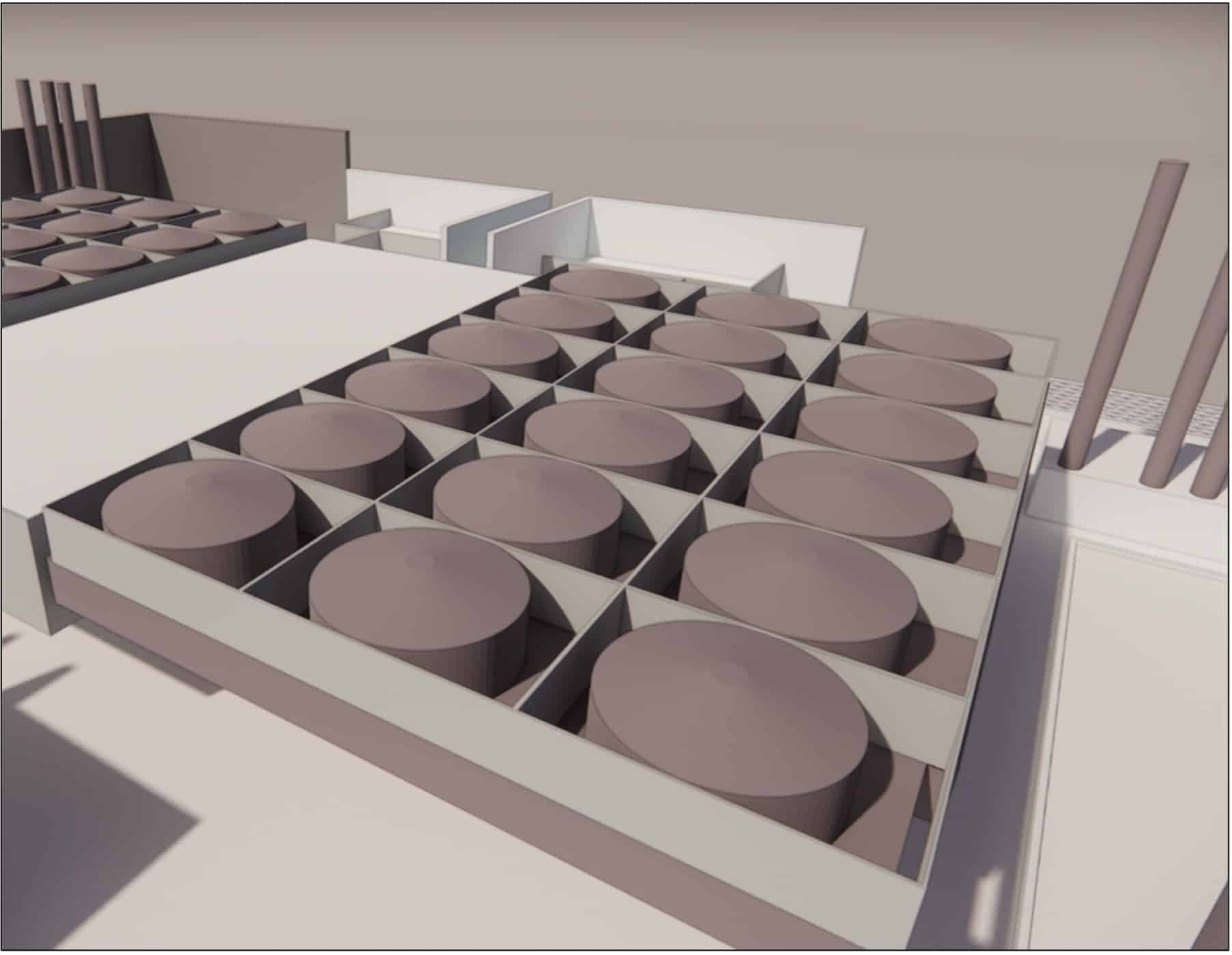
Digital anticipation plays a crucial role in theoperational efficiency of these datacenters. The ultra-detailed digital twin models flows and virtually manages critical operations, reducing the risk of thermal malfunctions linked to theexternal environment. This modeling includesanalysis of exhaust stacks, smoke dispersion andbuilding impact.
In short, thanks to their vast capacity, efficient rooftop cooling, electrical redundancy and intensive use of CFD simulation, PAR5 and PAR6 data centers offer extremely robust solutions. By preventing localized overheating, these facilities become essential for companies seeking to support continuous, reliable global digital services.
The challenge of CFD studies data center optimization PAR 5&6
A CFD(Computational Fluid Dynamics) study is crucial for PAR5 and PAR6 datacenters to optimize external aeraulics and cooling, minimizing the risk of hot air recirculation while maximizingthermal efficiency.
- Cooling: CFD simulations can be used to model thermal plumes and external air flows around the datacenter. This helps validate thelayout of rooftop systems, exhaust stacks and air coolers to ensure efficient cooling and avoid thermal looping.
- Energy consumption: By analyzing winds and external thermal dispersion, CFD studies can identify points of vigilance to preserveenergy efficiency. This includes analyzing heat dissipation in the face of building obstacles, or preventing localized overheating on roofs.
- Resilience management: CFD models help validate plant behavior during critical phases, such as buffer tank optimization and transient analysis during a blackout, thus facilitating continuity of service for cooling resources.
- Safety and backup: CFD is used to simulate the degraded mode in the event of a power failure, by checking the robustness of backup systems(modes N+1 and N). In particular, it validates the proper dispersion of smoke from generators.
By integrating these CFD analyses right from the design stage, PAR5 and PAR6 data centers can improve their operational efficiency, anticipate the impact of their direct meteorological environment and enhance their security, relying on a precise digital twin to consolidate planning decisions.
At EOLIOS Ingénierie, we have fully grasped the importance of these external simulations for securing massive cooling systems. Thanks to our CFD expertise, we can validate the overall operation of the site, reducing long-term risks and contributing to the sustainability of data centers.
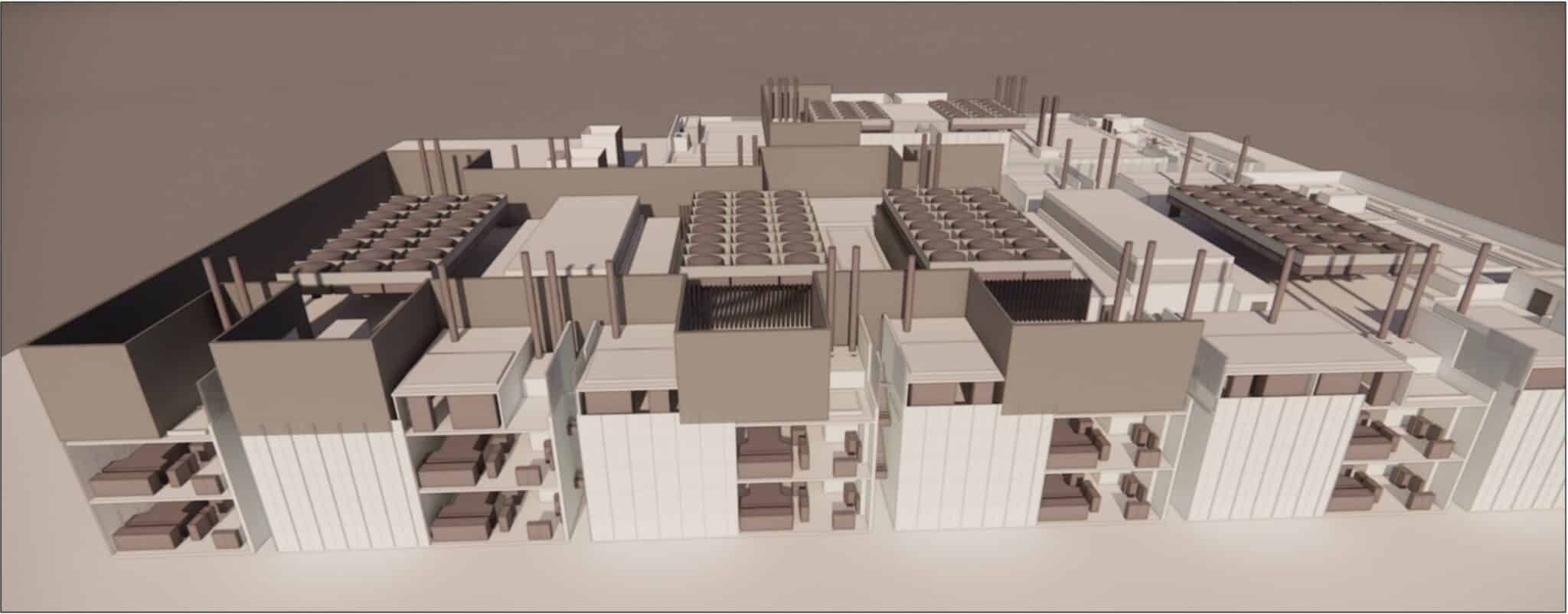
Internal study: CFD helps reduce the risk of overheating
CFD, an asset for the energy efficiency of data halls
Theoptimization of data halls in data centers is essential, and CFD(Computational Fluid Dynamics) digital simulation plays a major role in this. By modeling air flows, temperature distribution andequipment interaction, CFD enables us to design more efficient cooling systems. It identifies hot spots, improves air circulation and reduces energy costs by fine-tuning air conditioning andrack layout. Strategic use of CFD not only ensures better operational performance and increased equipment reliability, but also helps reduce thecarbon footprint of datacenters, meeting growing environmental demands.
Composition and operation of a data hall: racks, cooling systems and power distribution
A data hall is an area dedicated tohousing the IT equipment essential for data processing and storage. It consists mainly of racks containing servers, storage units and network switches.
To optimize cooling, racks are often arranged in hot and cold aisles, separating thehot air expelled from thecool air used to cool the equipment.
Cooling systems include precision air conditioners or water-cooled chillers, designed to maintain stable temperatures despite the heat generated by the servers.
Power distribution is based on redundant systems, backed up by UPS (uninterruptible power supply) and standby generators, guaranteeing uninterrupted power supply in the event of an outage.
Finally, intelligent sensors constantly monitor temperature,humidity and equipment performance, enabling administrators to anticipate anomalies and maintain optimal operation.
Internal thermal optimization of data centers: challenges and solutions by EOLIOS Ingénierie
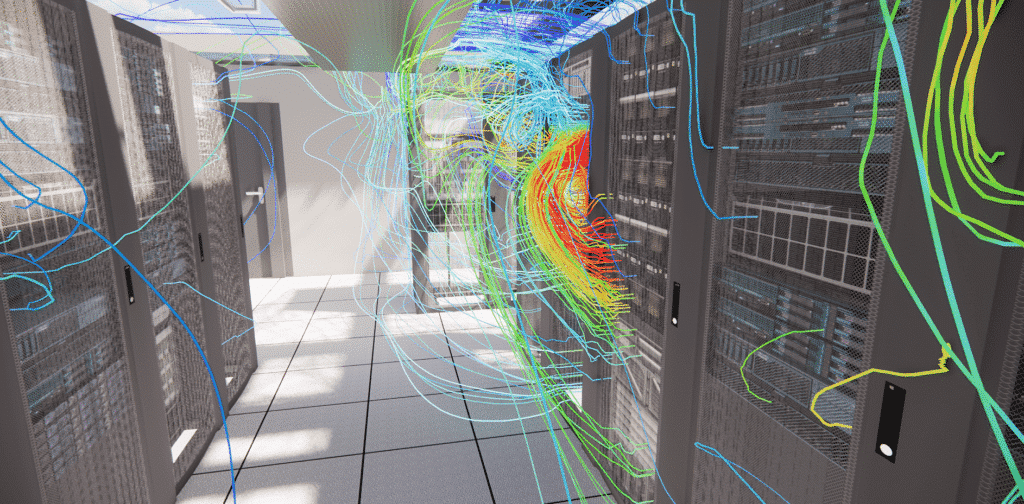
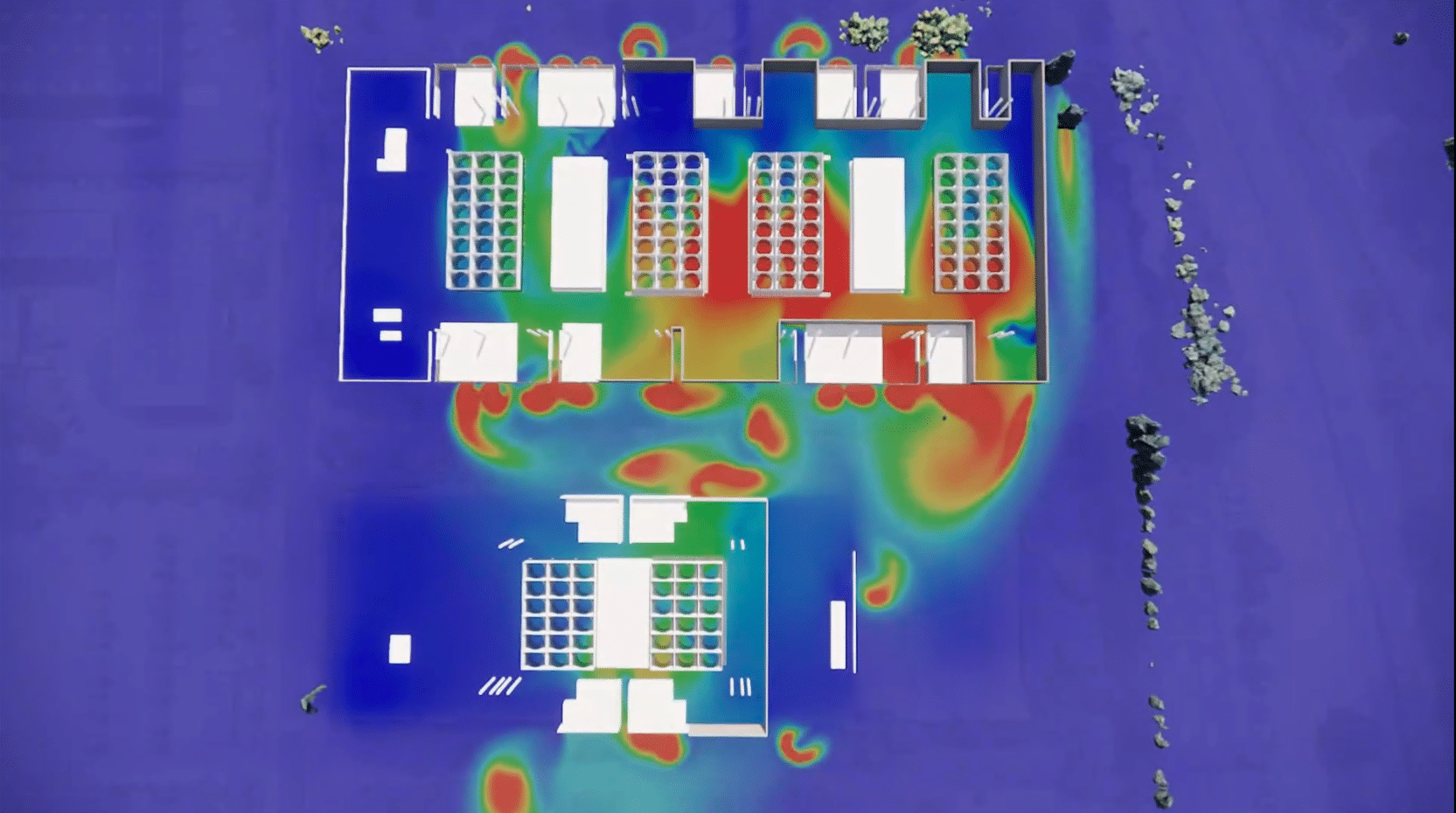
In this study, an overheating problem was identified in the left-hand side of the data hall, an area crucial to the smooth running of the datacenter. This overheating occurs when two cooling systems fail simultaneously, and the racks concerned can reach 35°C, far exceeding the maximum limit of 28°C. These conditions compromise equipment performance and reliability, increasing the risk of failures that canimpactdata integrity and service continuity.
The configuration of the room and the installation of burglar-proof grilles accentuate the problem by creating an uneven pressure distribution. Overpressure builds up in the hot aisles on the left-hand side, preventing theefficient evacuation of hot air and triggering a recirculation phenomenon, wherehot air flows back into the system, accelerating the rise in temperature.
The uneven distribution of racks also contributes to the problem, as failed cooling systems have tohandle the thermal load of a distant island of racks, making this area particularly vulnerable.
To solve this complex challenge, EOLIOS engineers devised several innovative solutions. Through in-depth dialogue with the customer, they evaluated the options and selected the most effective strategy. The chosen solution was implemented in collaboration with all stakeholders, ensuring a sustainable and optimized response to the challenges identified in the data hall.
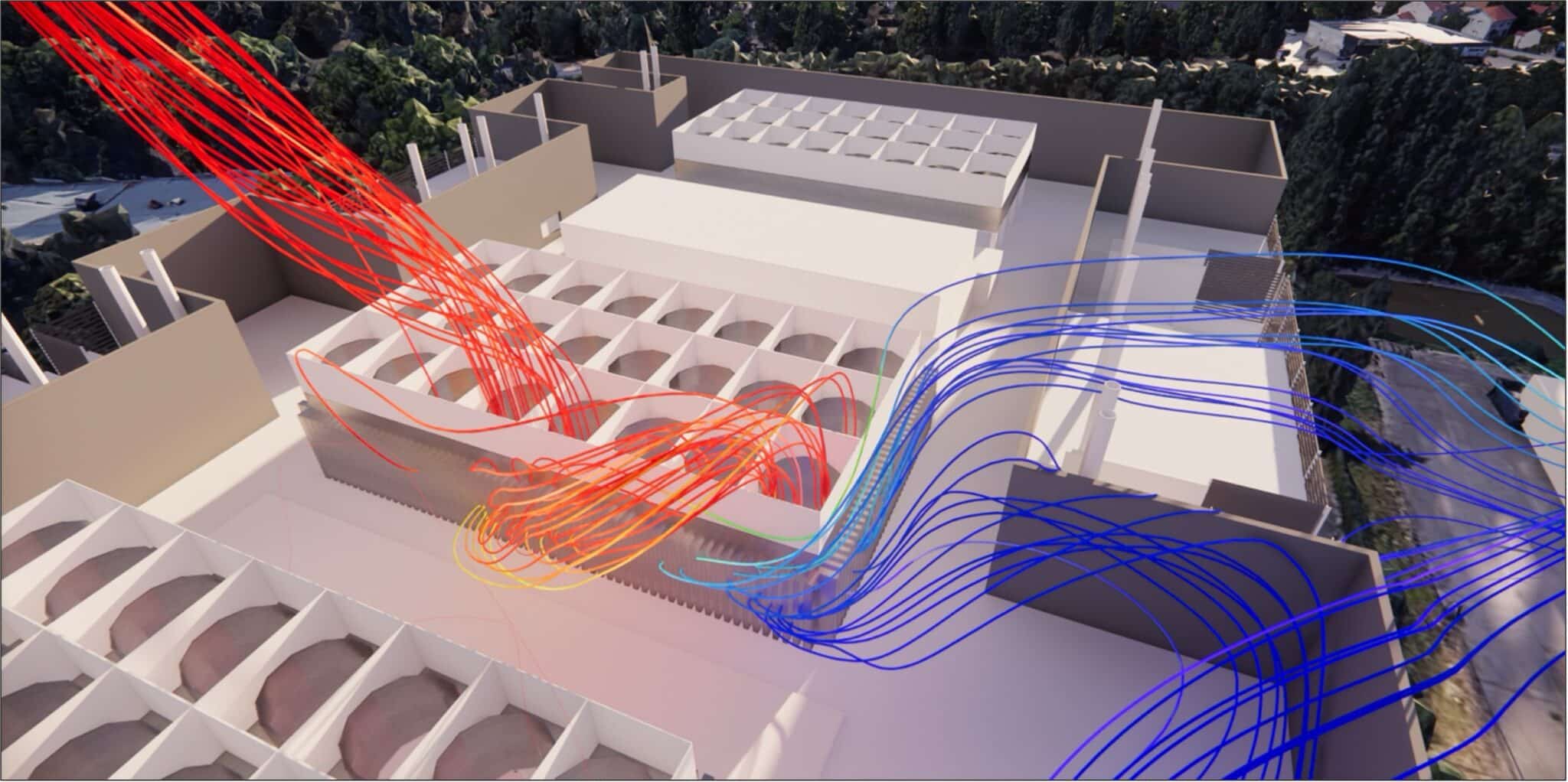
External study: CFD reduces the risk of overheating
Optimizing cooling systems: boosting datacenter efficiency and sustainability
Optimizing cooling systems, such as chillers and generators, is essential to ensure the performance and reliability of data centers. With high server densities, which can exceed 10 kW per rack, thermal management becomes a major challenge. Uncontrolled overheating can lead to hardware failure, reduced service availability and acceleratedequipment wear and tear.
Thermal optimization not only means maintaining a stable temperature, it also helps to reduce energy costs, which account for a significant proportion of operating expenses. By minimizing energy consumption, this optimization also helps to reduce thecarbon footprint of facilities, in line with environmental sustainability requirements. Numerical simulations provide a detailed view of temperatures and heat flows for different operational scenarios.
3D modeling and thermal management of data centers
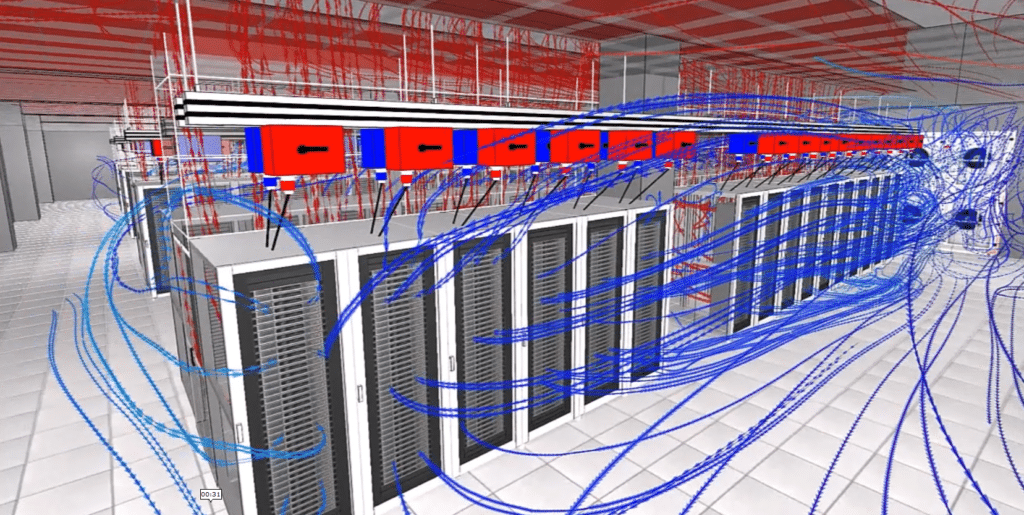
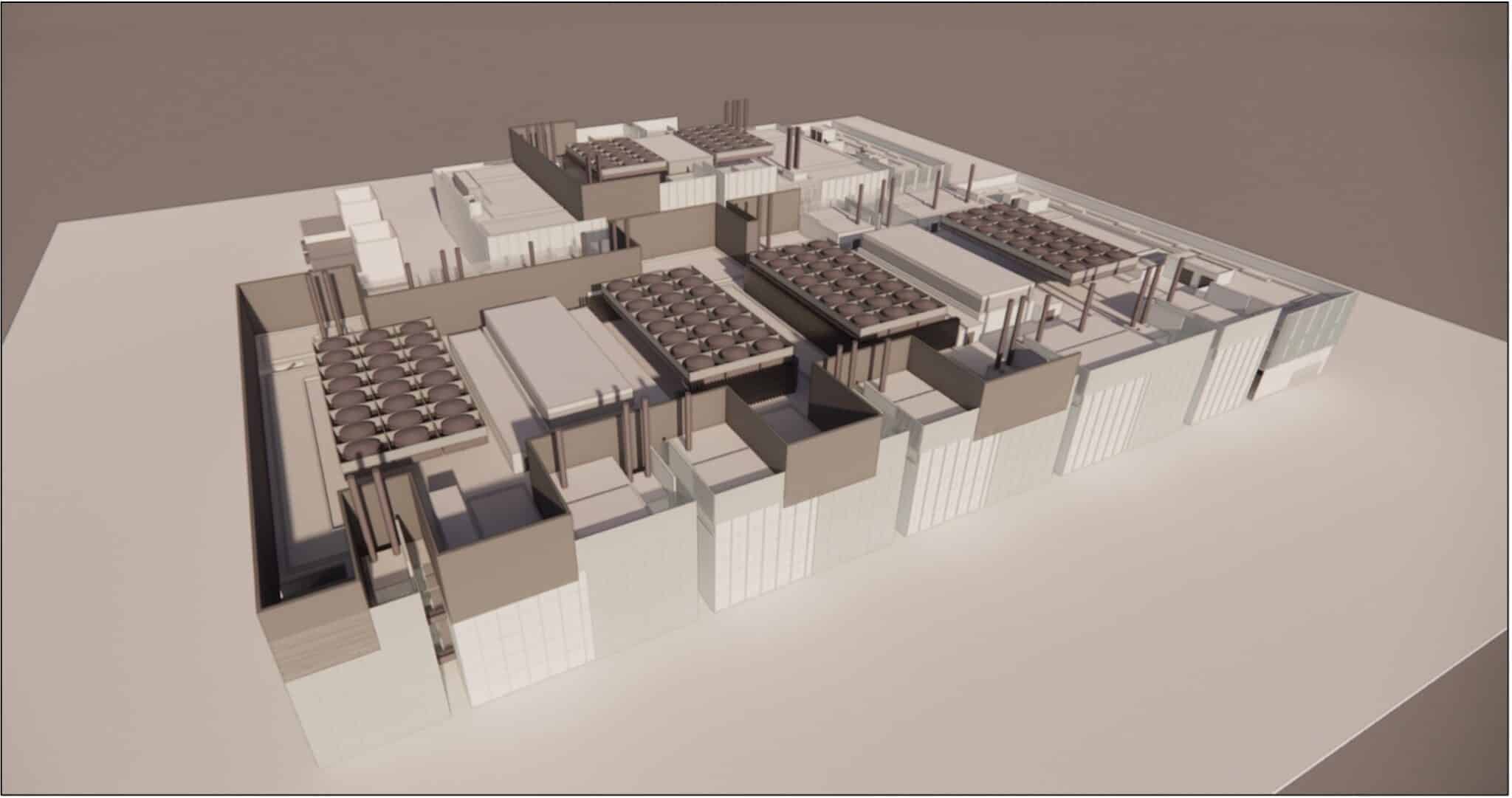
Precise 3D modeling of infrastructures, such as the roof of a hyperscale datacenter equipped with ventilation hoods, enables all critical systems and their interaction to be visualized. The modeled structure includes hood modules, ventilation networks, access walkways and the optimized layout of cooling units.
These models form the basis for CFD simulations, essential for analyzing and optimizing thermal performance.
Operation of critical systems: air coolers and generators
Air coolers play a central role in dissipating the heat generated by servers. AIR-WATER heat exchangers useoutside air to extract heat from cooling systems and ensure a constant flow of fresh air, guaranteeing the thermal stability of installations while reducing the energy costs associated with air conditioning.
Their location on the roof and their sizing must be carefully studied to avoid any recirculation of hot air, likely to degrade thermal performance. CFD simulations can thus be used to check that the air coolers are operating optimally, whatever the external conditions and wind configurations.
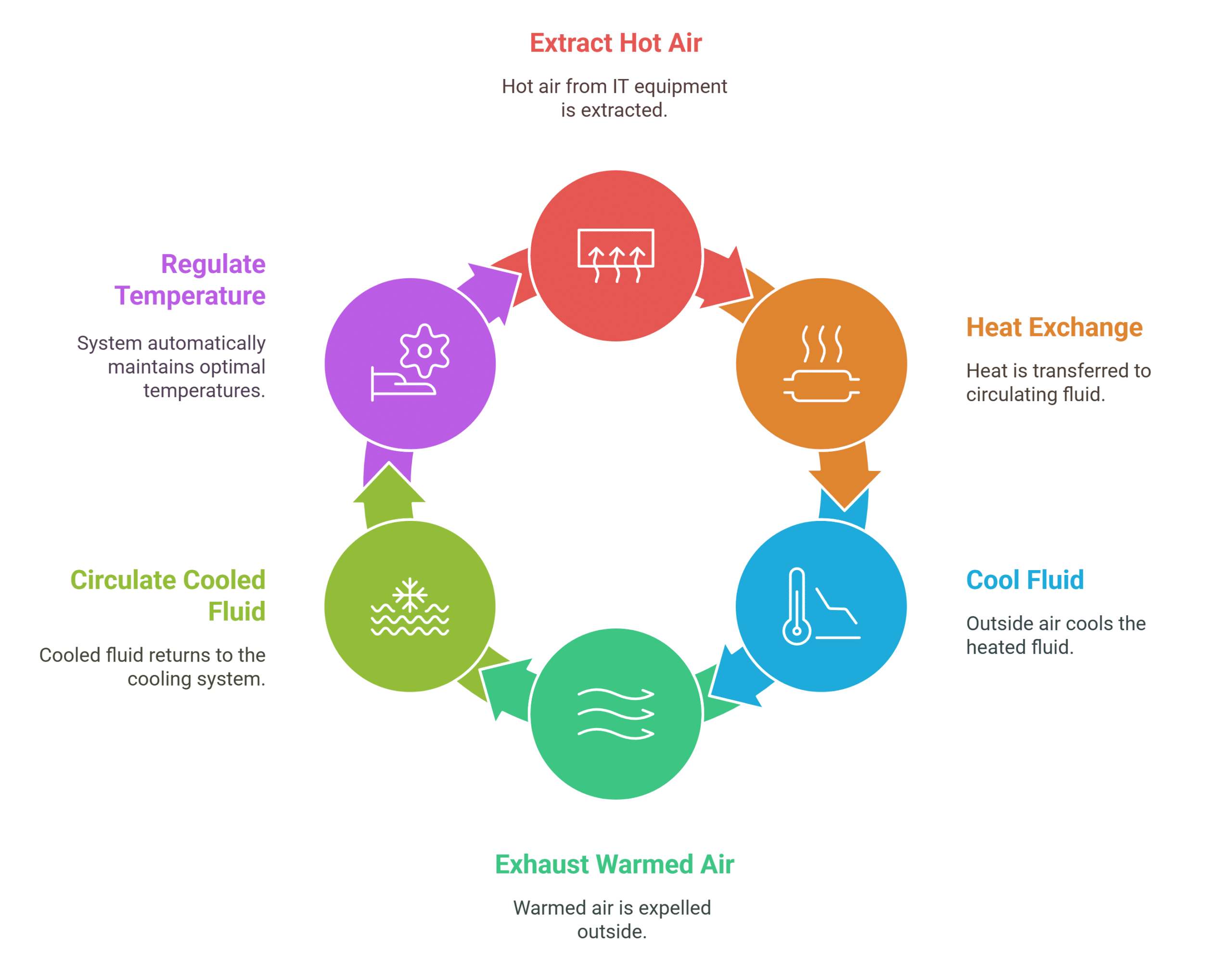
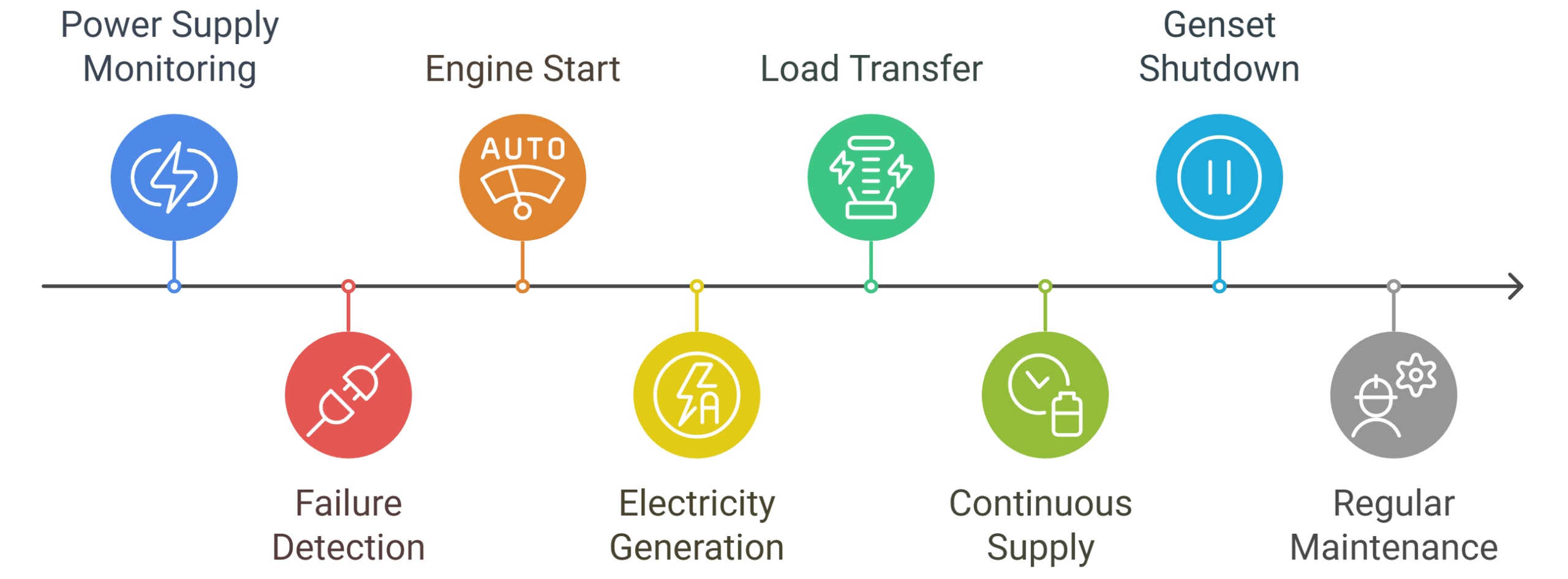
Generators provide emergency power in the event of a power cut in the main network. Thanks to automatic start-up, they take on the electrical load of equipment and cooling systems, ensuring continuity of service and data protection. Their coordinated operation with UPS systems guarantees a stable power supply and high datacenter availability.
Digital twin creation and simulation accuracy
For each project, EOLIOS Ingénierie develops a detailed 3D model integrating all systems influencing airflow, such as air coolers and generators. Site plans, 3D models and equipment data sheets are used to determine essential characteristics such as air flow rates and dissipated power.
This digital twin enables precise analysis of cooling system operation and identification of potential areas for improvement. Thanks to their expertise in meshing and convergence, EOLIOS engineers guarantee reliable and robust CFD simulations.
A fine, structured mesh precisely captures variations in airflow and temperature, ensuring stable results that are representative of real-life conditions, essential for optimizing datacenter cooling.
CFD analysis and integration of meteorological conditions
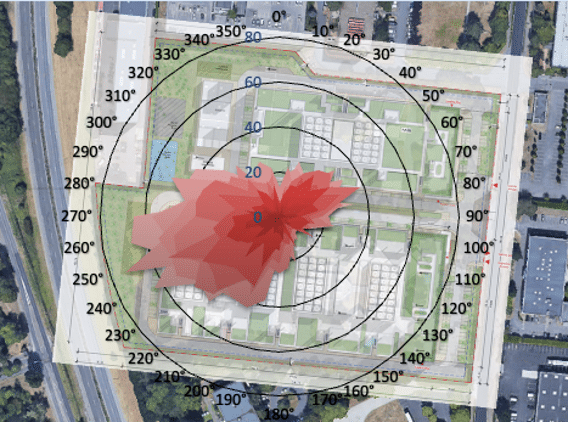
To simulate realistic conditions, a meteorological analysis based on readings from the nearest station was integrated into the simulations. Outside temperature, wind speed andwind direction are critical variables influencing the thermal behavior of the plant.
The scenarios studied included different main wind orientations and the impact on generators. Two extraction models were compared:
- Discharge at generator level.
Discharge via a 3-metre chimney to limit the looping of hot air and improvecooling efficiency.
This approach enables us to design solutions tailored to specific site conditions, guaranteeing the performance, safety and durability of data centers.
Results of CFD studies: validation and recommendations for optimizing the external aeraulics of PAR5 & PAR6 data centers
Study of prevailing winds: strategy for controlling looping phenomena between air coolers
Meteorological analysis integrated with the numerical model has enabled us to study thermal dispersion according to various wind directions. The study is based on an annual wind rose to identify the most representative and constraining configurations. The results of these simulations show that heat dispersionis satisfactory in the majority of situations studied, enabling the systems to operate under suitable conditions.
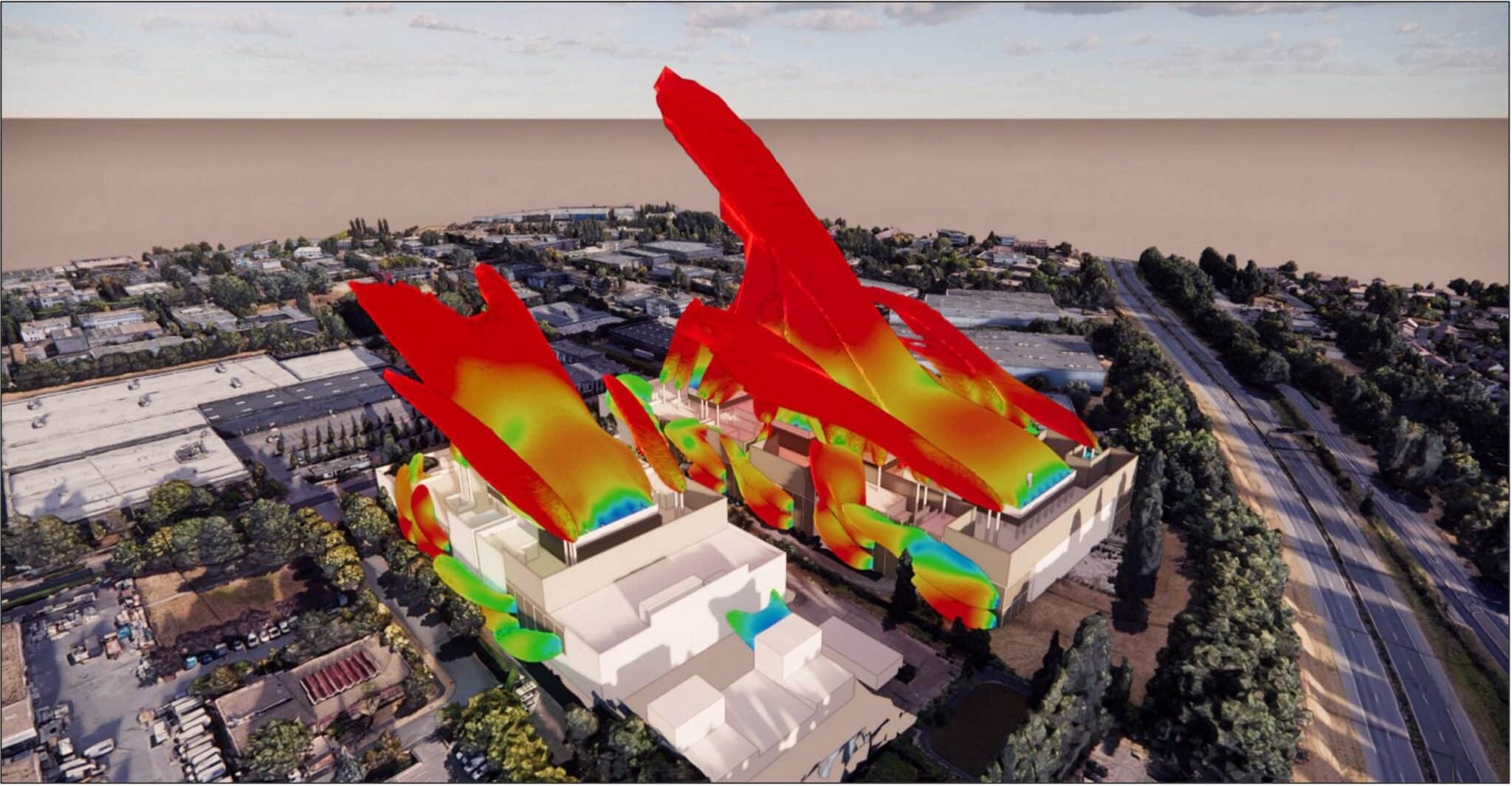
However, the analysis revealed localized areas where thermal looping can occur. These situations are mainly due to the high density of technical equipment on the roof. In certain configurations, the wind favors the return of hot air to the air intakes of cooling systems.Rejected hot air is sucked back in, creating a rise in local temperature. Wind plays a decisive role in the way these thermal plumes develop and move around the building.
Although these temperature rises remain limited and localized, and have no critical impact on the overall operation of the site, they do represent important points of vigilance that need to be taken into account in the optimization process.
Analysis of downgraded mode: controlled impact of generators
Thestudy also analyzed theimpact of generators, exhaust stacks and associated electrical installations in critical scenarios. Checking the robustness of installations in degraded modes (N+1 and N) is essential, particularly during a Blackout or Ride-Through transient analysis.
In contrast to sites requiring extensive physical modifications, the 3D simulations of PAR5 and PAR6 showthat the thermal plumes from the generators do not significantly disrupt the operation of the rooftop cooling systems.Stack layout and overall designensure efficient evacuation of hot flows.
The results confirm that there is no significant contamination of the air drawn in by sensitive equipment. This analysis validates the overall consistency of the siting choices made for these critical installations.
Analysis of available cooling capacity and operating recommendations
In modern data centers, cooling systems play a central role, and theair drawn in must remain sufficiently cool to guarantee their efficiency. To optimize this overall performance, theexternal thermo-aerodynamic study also looked athydraulic engineering, in particular theoptimization of buffer tanks and stratification phenomena.
Theanalysis confirms that the overall thermal behavior of the site is under control. However, because of the recirculation phenomena identified on the roof, EOLIOS engineers recommend particular vigilance with regard to certain wind configurations. This approach ensures that operating conditions remain optimal in all circumstances.
Using hot-spot mapping and the Cloud Viewer, the project benefits from an anticipatory approach. This CFD integration secures the project and guarantees the reliability, performance and durability of the installations.
EOLIOS Ingénierie's expertise in solving external thermal-air challenges for PAR5 & PAR6 data centers
Strategic recommendations tailored to project density
Thanks to its expertise in numerical simulation, and more specifically in data center external aeraulics, EOLIOS was able to validate the design choices and propose recommendations adapted to the PAR5 and PAR6project to monitor thermal looping phenomena on the roof. Instead of imposing costly structural modifications, thestudy confirmed the relevance and overall coherence of thecurrent layout, including for the generators.
Analysis of the different wind configurations has enabled us to identify the specific conditions that are most likely to cause warm air to be drawn down towards the air intakes. The solutions adopted are geared towards increased vigilance during these meteorological scenarios, rigorously simulated in the 3D model. These observations have confirmed that temperature rises remain limited, localized and without any critical impact on system operation.
Thedetailed analysis of heat dispersion and degraded regimes (such as generator discharges) has also enabled the precise quantification of external interactions, providing a clear assessment-confirmingthat plumes do not disruptthe efficiency of rooftop cooling systems.
Thanks to this study, EOLIOS has been able to secure the design of rooftop ventilation systems right from the design phase. This anticipatory optimization will reduce the risk of thermal malfunctions and performance losses due to unfavorable outdoor conditions.
In addition, validation of the overall operation of the site guarantees the durability of the installations and the sustainability of heat removal.Ongoing use of the Digital Twin, in particular via the Cloud Viewer, will also enabledecision-makers to be supported throughout the site’s lifecycle.
Find out more:
Video summary of the study
Summary of the study
The study carried out by EOLIOS ingénierie focuses on thethermal optimization of hyperscale data centers, using CFD (Computational Fluid Dynamics) simulations. This approach improves air circulation andcooling system efficiency, thereby reducing energy consumption andcarbon footprint. Hyperscale datacenters, used by technology giants such as Amazon and Google, require modular, automated and sustainable solutions. EOLIOS has identified problems such as overheating and looping, and proposed solutions such as the installation of hoods to mitigate these phenomena. The integration of digital twins for accurate simulations has enabled significant improvements to be envisaged. Working closely with customers, EOLIOS has optimized the configuration of cooling systems, increasing efficiency while reducing energy costs. This study demonstrates the crucial impact of CFD simulations on the performance and sustainability of modern datacenters.
Video summary of the mission
Discover other data center projects
Data center study – Data Hall and UPS premises
Engineering smoke extraction in a data center
External & internal CFD – Data Center Hyperscale
CFD Optimization – Data Center
Data Center – DC28 – Internal
Pressure loss study – Generator – Data center
Data Center – PA 22 – External
Technical premises – Data Center
Cooling optimization – Data Center
Data Centers – DC15.1 & DC15.2 – External
Data Center – Paris
Data Center – GAZ NOVEC
Data center – DC25 – Internal
Data center – DC17 – Internal
Data Center – DC10 – Internal
Data center – DC25 & DC26 – External
Data center – D14 – External
Data center – DC17 – External
DC23 – External